
The Secret Garden (Week 31)
Garden Journal feature on The Secret Garden story
The Secret Garden
The Secret Garden (1993) is one of my favorite films of all time from my childhood. A film which likely had the greatest influence on my trajectory in life. Here was a feral girl growing up in a strict household—one in which she was rarely seen certainly never heard—who would not be tamed. Bratty, of course, but she couldn’t be faulted for it due to her upbringing. Thrust into Victorian England to live at her uncle-by-marriage’s manor after her wealthy parents died in India, the first friend she ever made was the British robin.
The movie is free to watch on Youtube and was—unsurprisingly—recommended to me to watch. I was clicking through Youtube while waiting for some Aspirin to kick in for a migraine, so I decided to revisit it. It’s a bit of a risk—sometimes rewatching favorite childhood movies can ruin them. Rewatching The Secret Garden only cemented it in my list of favorite films of all time.
As a side note, this was the first time I realized that this film was directed by a Polish woman a few years older than my parents, Agnieszka Holland. Not only is it a film by someone who shares my own heritage, but at the time it came out, she was two years older than I am now, and a woman director at that! Here’s a woman from behind the iron curtain who not only made a name for herself as a talented director before the age of 40, she then had the opportunity to work with Frances Ford Coppola to direct a film for Warner Bros. that became a cult classic. She broke through so many glass ceilings!
Age, time, experience, and reflection help to provide additional insight to elements of the movie that I did not notice at the time. There was something about it that I found relatable, even as a child, but what? I wasn’t bratty. I did not grow up in a wealthy family with servants, and my parents would’ve done far more than just “box my ears” if I acted like that, but the character and I had that resilience and fierce independence in common. I recall being the type of kid who would get angry long before I allowed myself to cry, which is a characteristic which has softened with time.
I didn’t have access to massive gardens, but our neighborhood was at the edge of development, surrounded by wilderness. I would frequently run off (much to my mother’s dismay) to explore the nearby woodland on my own. I wanted my own secret garden. This was one of the most common themes of my own imaginary play.
While I don’t have a secret garden like the film, I have my own semi-private woodland. There are no walls—though I wouldn’t mind a deer fence—but somehow, it still feels just as hidden and magical as the one in the film. Most people would have no idea of what lays hidden behind my home just driving past it. This woodland is why I fell in love with the property when we purchased it: my very own Secret Garden at last! I did not realize until now just how many parallels would come from this deeply influential movie.
Dickon: “How did you know to pull the weeds?”
Mary: “It looked like it was strangling. I don’t even know what it is.”
We begin the movie in the middle of winter, when the only green visible is the ivy and the land is covered in dormant shrubs, thatch, and seedheads from herbaceous plants that died back. I picked up on the shot of teasel (an invasive plant stateside), which in Victorian floriography meant “misanthropy.” Misanthropy appears to be a common theme throughout the film—the adults’ apparent hatred of children, the children’s hatred towards their parents. Only Martha’s family, including Dickon and her mother who we never see in the film, appear to care at all about the happiness and well-being of others.
I know some adults who could learn a thing or two from Dickon. The first time Mary shows him the secret garden, it’s because she isn’t sure if it’s dead or alive. He lets her know that it is very much alive and will be filled with so many roses that she’ll be sick of them. Later on, while cleaning up the lilies, he shows her how to plant the bulbs properly (roots down). I didn’t realize they’d included all this horticultural education as part of the storyline.
“I don’t need much. All I need is… Could I… Could I have a bit of earth? To plant seeds in! To make things grow!”
There is so much more to unpack in this movie, so there’s no way I could cover it in this post. Watching it was an emotional rollercoaster for me. I still find Mary’s ferocity and determination incredibly relatable. What initially came off as entitlement ended up being the only thing that “cured” Colin’s victim mentality—the result of his being an actual victim of Mrs. Medlock’s overbearing, fearful care. This entitlement, of course, was tempered by Nature herself. Mary’s love, care, and fierce protection of the secret garden extended to those she could trust. She only needed a little guidance from Dickon, but there’s one little scene in the movie which sums it all up. It’s so quick, you’d miss it if you blinked.
Colin: “Are you making this magic?”
Mary: “No, you are!”
Colin: “It’s like the story. The whole universe is in here!”
Mary: “I’m certain it is.”
The story at times implies that the magic is attributed to the garden itself, but Mary knew the truth all along. The garden was simply a catalyst, but it was the characters themselves who had the magic within them to heal. Through healing, restoring, and caring for the land (here, the garden), they healed themselves.

The Garden That Heals

How many humans in today’s world exist much like Lord Craven, locking up their own secret gardens, never to be seen again? It may not be behind lock & key, but due to anything from ignorance to life’s troubles weighing us down, we shut the windows and doors. The fear of the unknown—be it the spores in the air or falling in love again—keep us ill, believing that what’s “out there” is the cause of it. And yet, sometimes what’s “out there” is the very thing that can heal us, even literally. I don’t just mean plant medicine, but also solar energy or even the microbes in the soil.
It’s as if the 1911 novel that inspired the film adaptation was written as both a warning and a cure. To heal ourselves, fully, we must get outside and dig in the dirt. It isn’t surprising to me at all that the healthiest, happiest characters (both physically and mentally) throughout the story were the commoners: Dickon, Martha, and the gardener. Succumbing to the comforts of wealth and modernity results in significant harm to our health, even an untimely death.
It has been my experience that some of the happiest, healthiest people I know are those who regularly work outdoors. I noticed it within myself. When I was suffering from Lyme disease—which, sure, is one of the dangers that can come with being outdoors—I found the most comfort while resting in fresh air with the warmth of the sun. The more I worked outdoors—which, of course, is physically exhausting work—the more I gained energy and strength. On the contrary, the more time I spend indoors, the more I feel tired, anxious, even weak. How many people have developed SADD over the years? For how many of those has SADD become a year-round affliction rather than just a seasonal one?
I am not proposing that being in the garden is the cure-all to all of your own physical and mental ailments. There is no such thing as a cure-all. There are situations where medications and medical interventions are absolutely called-for and necessary. I’ve never been one to support the extremist version to any form of health & wellness theory. In fact, it’s my opinion that if holistic medicine does not also include science-backed medical advice including pharmaceutical treatment, it’s not any more holistic than western medicine.
At the same time, I agree that western medicine is not holistic enough and often dismisses the effectiveness of alternative medicine (whatever that may be). Maybe it’s due to my own background. My family comes from Poland, where doctors are just as likely to prescribe a natural remedy for a mild ailment as they are to prescribe medication. My family is not anti-science, either—my brother and I are one of only a tiny handful of “artsy-fartsy” kids. The majority of my family includes scientists, engineers, and medical practitioners (including a world-renowned orthopedic surgeon who is my first cousin).
All that I am proposing here is that we do not immediately discount and dismiss the contribution of the garden to our own personal well-being as something entirely psychosomatic. But even if it is, if it works, does it really matter how it works? Everyone I’ve spoken with on this topic has admitted to me that they find gardening healing and therapeutic. Maybe someday, science will catch up enough to be able to explain why it works.
“I wonder if much that ails our society stems from the fact that we have allowed ourselves to be cut off from that love of, and from, the land. It is medicine for broken land and empty hearts.”
Robin Wall Kimmerer
Ecoculture in The Secret Garden
One of the other parallels I drew from the movie is how the concepts of ecoculture (as mentioned in Wild Plant Culture which I referenced in last week’s post) echo the lessons from the story. Ecoculture, a term coined by Sam Thayer, is “…the ancient practice of cultivating food, medicine, and materials in the context of natural intact human managed ecosystems. It’s food-focused ecological restoration.”
If we look at the movie from a historical perspective as well as a cultural one, these massive manors had and still have (they do still exist) their own productive gardens which provided much of the food for the residents. They didn’t have an Aldi just down road like we do. Otherwise, there would be very little reason for Lord Craven to continue employing a gardener. Not only that, although Mr. Sowerby isn’t mentioned at all, I wouldn’t be surprised if he is involved in the care of Misselthwaite’s livestock.
The only way Dickon would even be allowed to run freely on Manor grounds is if he were employed as a farmhand. I mean, think about it. Some commoner boy just running around the manor grounds with all his animals like he owns the place? This is hinted at in the original text itself. “Early in the morning and late in the fading twilight and on all the days Colin and Mary did not see him, Dickon worked there planting or tending potatoes and cabbages, turnips and carrots and herbs for his mother.” Mother, as Mrs. Sowerby is often referred to, is a highly respected character by Lord Craven and staff, despite herself being a commoner. It’s likely the herbs that Dickon grew for her were used to make a variety of herbal remedies with which Mrs. Medlock treated the sickly Colin.
Many of the plants we include in our own native gardens today were also medicinal. Boneset (Eupatorium perfoliatum), which is just now starting to bloom in my garden, is thus quoted in How To Know The Wildflowers by Frances Theodora Parsons (known as Mrs. William Starr Dana at the time of publishing in 1893): “To one whose childhood was passed in the country some fifty years ago the name or sight of this plant is fraught with unpleasant memories. The attic or wood-shed was hung with bunches of the dried herb, which served as so many grewsome [sic.] warnings against wet feet, or any over-exposure which might result in cold or malaria.”
So how does The Secret Garden fit in more within the parameters of Ecoculture rather than traditionally cultivated land? If we look back at the conceptual framework for ecoculture, we can see that it sits squarely between two concepts. At the top of “Human connection to the natural world” and on the side of Responsibility (the base of which is Conservation), we see: “The recognition that high levels of human management are required to achieve the highest standards for restoring habitat and ecological function specific to the local ecotypes.” On the other side of Freedom (the base of which is Agriculture), we see: “The recognition that natural ecological structures have the potential to generate high yields at lower inputs of labor, fertilizer, etc., though lacking the focus on local ecotypes.”
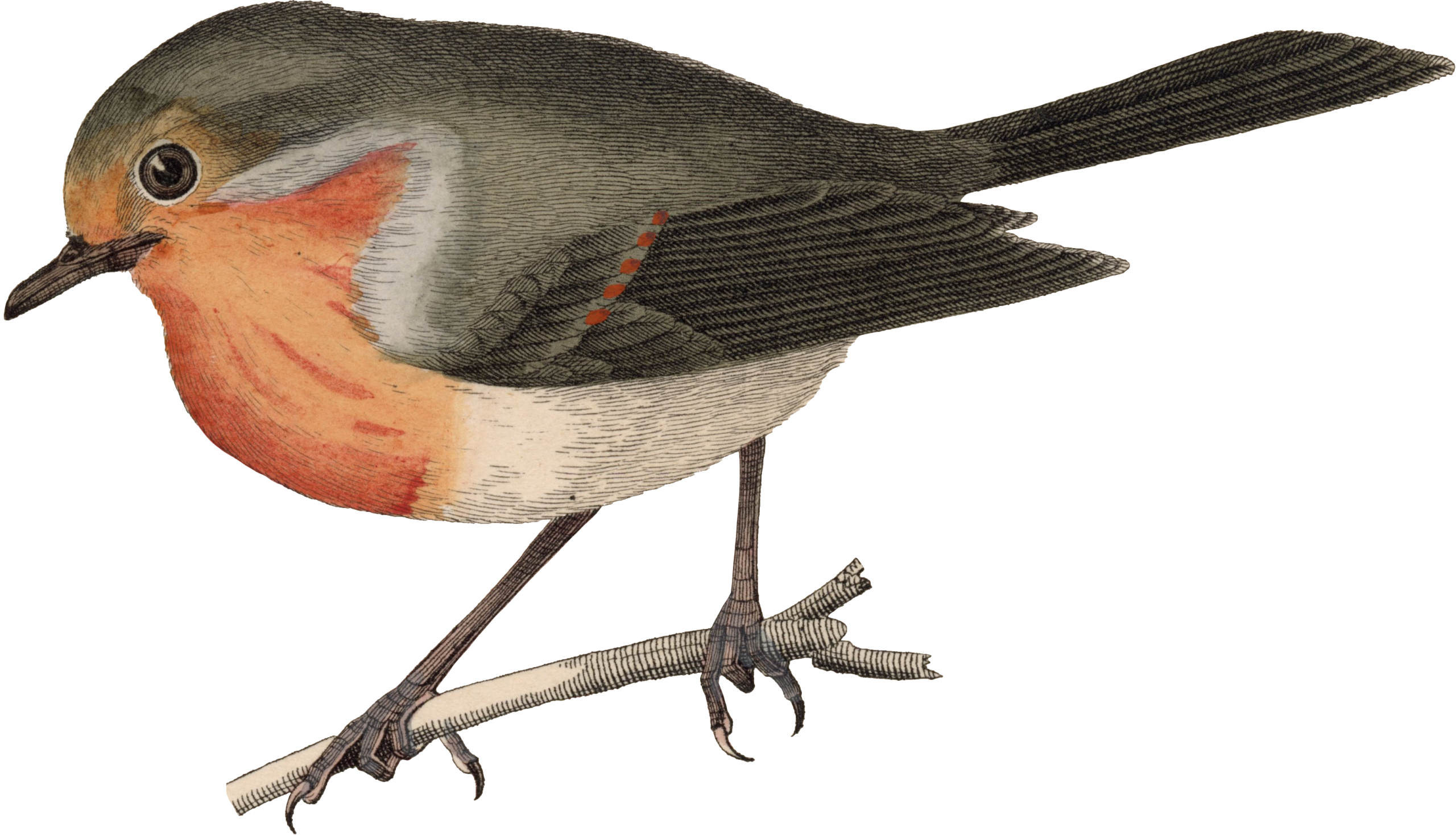
In The Secret Garden, we see both of these at play. For that, we go back to the hints within the movie. The number one clue is the inclusion of wildlife throughout the story. Rabbits are seen, although not mentioned. There’s Ben Weatherstaff’s English robin, who shows Mary the entrance to the secret garden. Later on, we see all manner of wildlife, including a random fawn of a white-tailed deer, a white goose, a fox on the prowl. In one scene where Mary finds a worm and says, “Eww,” and Dickon says, “Not eww, yum,” and he eats it! He then points out that the robin is also feeding them to his young.
As a side note, this part actually shocked me that it was included in the movie. On my Discord server, one of the members recently shared that the EU has approved bugs as food ingredients for humans. The mealworm in the article looks nearly identical to the one that Dickon ate in the movie. Local ecotypic food would not necessarily only include plants, but fauna as well; and, in some cases, this would include insects. This movie was clearly ahead of its time!
The use of pesticides, including extremely harmful ones, was quite common—anyone remember arsenic? If there was anything that could potentially kill the pests in the garden, they would’ve used it. In fact, there’s an old film (an 8-part series from the BBC) about gardening in the UK during WW2 where they covered the use of pesticides. Needless to say, wildlife was not typically welcome within a productive garden, much as traditional horticulture doesn’t welcome it now.
In the film, we also see the presence of dormant plants which have died back to the ground. I don’t just mean when Mary first enters the garden, but even after she and Colin begin working on it. They were far more concerned with clearing out the actual weeds to make room for the flowers to grow rather than what we would think of as springtime tidying. Later on, we find out that Ben Weatherstaff continued to tend to the Secret Garden despite the orders for it to be shut permanently.
The last hint we have, though it was just a few seconds in the film, is when Mary mentions that the pond had been clogged. The pond is occasionally shown in the film, but otherwise goes unmentioned. This means that they had worked to restore it, thus allowing the wetland species to thrive.
When we look at the film adaptation while also taking into consideration the original book’s text, we see a healthy balance in the garden where all are welcome. The characters in the story have a positive impact on it, but only when they care for it, which became overridden with weeds due to neglect. After all, there’s only so much Ben could do on his own in addition to tending to his regular responsibilities. It’s only when Mary and Dickon began working on restoring it that the garden started to thrive.
You’re The Key To The MagiK In Your Own Garden
Mrs. Sowerby answered. “I never knowed [magic] by that name but what does the name matter? …The same thing as set the seeds swelling and the sun shining made thee a well lad and it’s the Good Thing. It isn’t like us poor fools as think it matters if us is called out of our names. Th’ Big Good Thing doesn’t stop to worry… It goes on making worlds by the million—worlds like us. Never thee stop believing in the Big Good Thing and knowing the world’s full of it…The Magic listened when tha sung the Doxology. It would have listened to anything tha’d sung. It was the joy that mattered.”
The movie itself used some made-up chant (as far as I’m aware) with an air of pagan rituals for a more fantastical, non-secular appeal, but the book is far more steeped in Christian belief. The Doxology referenced in the book went like this:
Praise God from whom all blessings flow;
Praise him all creatures here below;
Praise him above, ye heav’nly host;
Praise Father, Son, and Holy Ghost.
I think Mrs. Sowerby’s quote (just below the section heading) shows what the underlying message really is. It doesn’t matter what you call it or what you believe in. What happens in your garden can be a purely scientific one, just nature doing its thing. It could hold a deeper meaning for you, be it a spiritual connection with nature, or even one respecting a particular deity from whichever religion you follow.
However you look at it or whatever you call it, the “magic” lies within your own personal relationship to the land. It’s through the act of weeding it, cultivating it, amending the soil, planting and nurturing that you grow your own Secret Garden, and it heals you in return.
I’ll leave you with one last quote from Braiding Sweetgrass—really, so many parallels could be drawn just between this and The Secret Garden. “Knowing that you love the earth changes you, activates you to defend and protect and celebrate. But when you feel that the earth loves you in return, that feeling transforms this relationship from a one-way street into a sacred bond.” The key here is echoed throughout the story. The magic, or whatever you wish to call it, is within you. What really matters, how you make it happen, requires your active participation with it.
There is no such thing as an effortless garden, but why would anyone want that? The reward comes from the work.