
Garden Journal Week 28, 2026
Restoring Woodland Soil, Botanizing at Valley Forge, Planting The Woods
How To Restore Woodland Soil
This topic is a bit unusual for my garden journal posts, since they’re meant to be more of a review of the previous week; however, this is relevant to this week’s post and rarely (if ever) covered in gardening posts—and it’s something I have a good bit of experience with. You see, when you have a woodland that’s been heavily damaged by invasive species, you may find that you need to restore the soil so you can start restoring the natives.
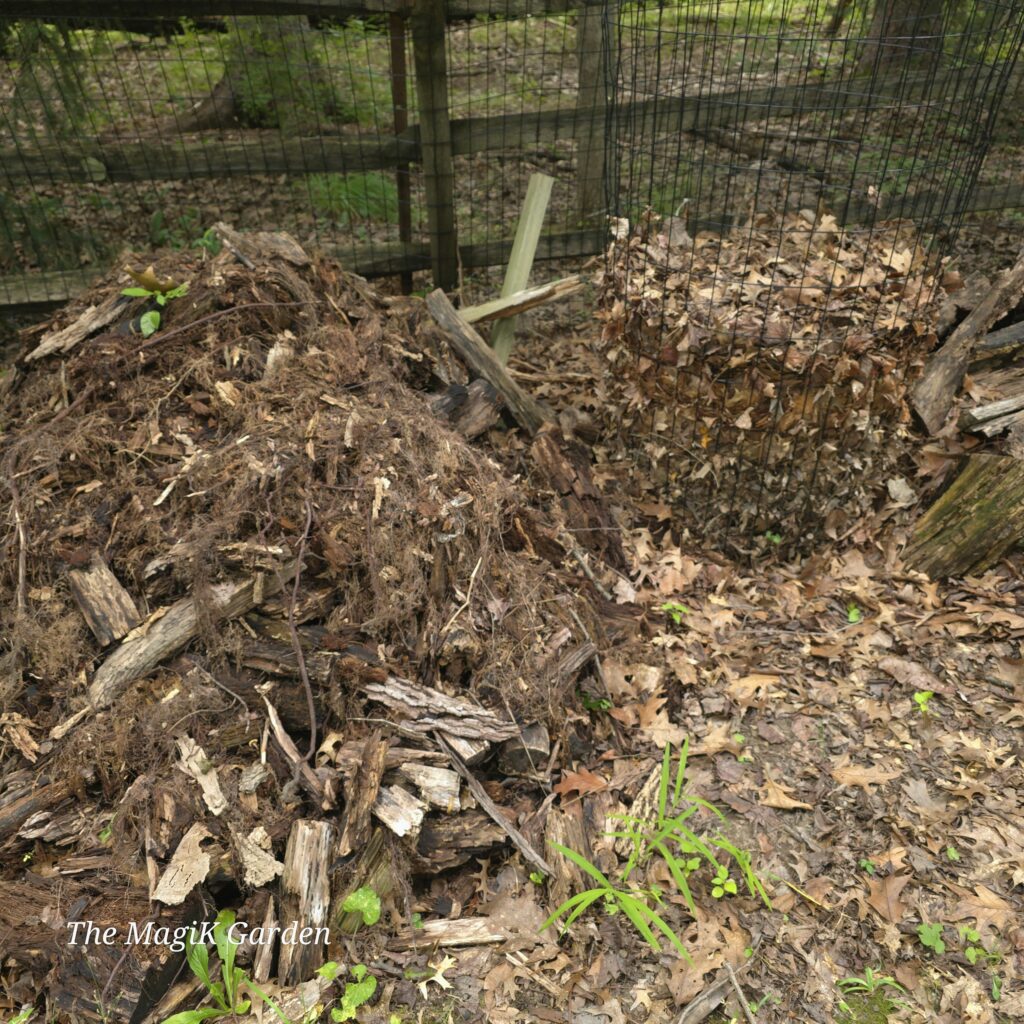
I would preface a warning here about transporting Asiatic jumping worms, but if you’re at the point of restoring degraded soil, they may be part of the reason you’re in this situation. Still, learn how to distinguish between them and other worms. You can still use compost, but you’d want to stick it into some black bags and set it out in full sun to cook what’s inside. Leave these bags sitting out in the full sun for 4-6 weeks, and then it should be good to use.
So how do we get the components?
If you have a fireplace, it’s likely that you have a pile of old, partially rotted firewood that’s been sitting a while because you didn’t use it (like myself… I have tons of wood piles). If you aren’t one of those people, ask about it in a local online group. I guarantee that there are at least a few people out there who have rotted wood piles they need to have cleared out.
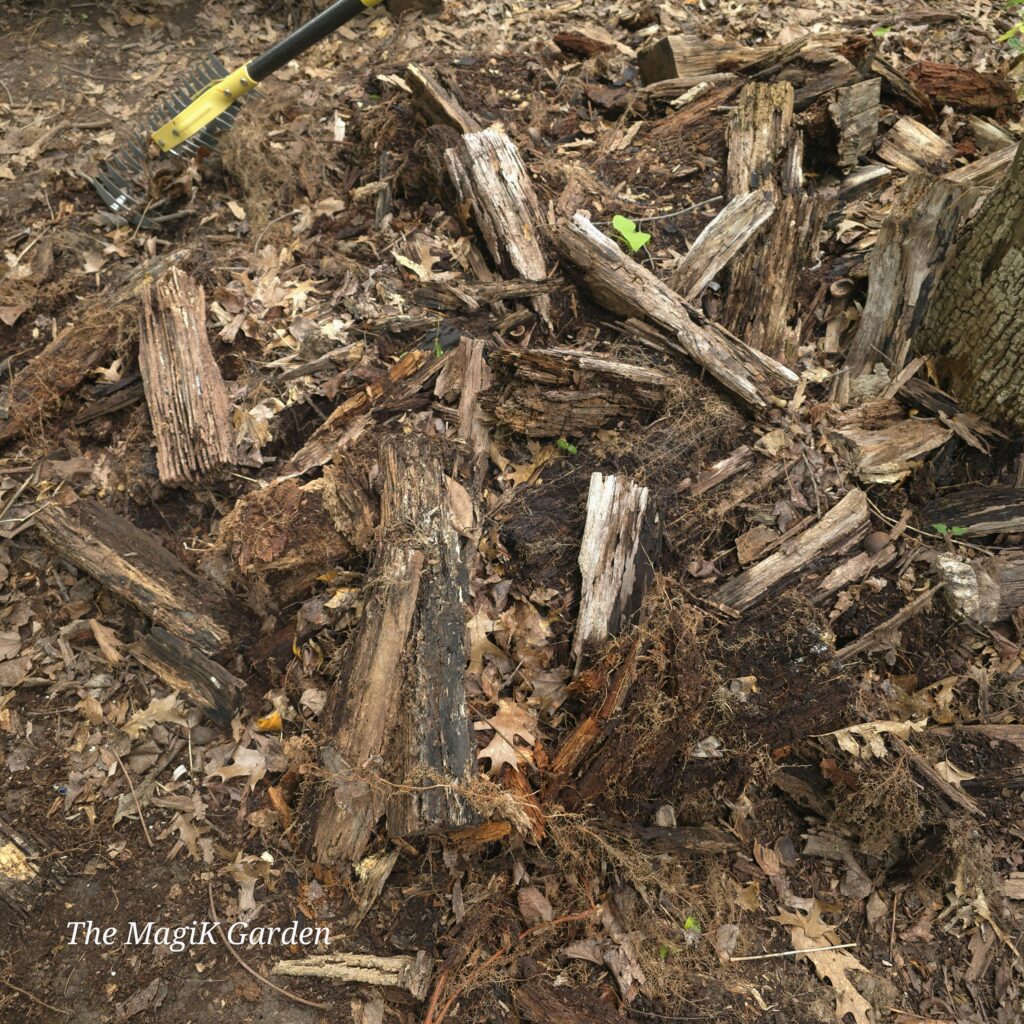
Tell them that you’re willing to clean it out for them free. You’d be doing them a favor, when in actuality you’re collecting from a goldmine. You would pay a fortune for aged, well-rotted compost. Sure, you can do it with woodchips too, but even as those break down, it still takes a few years for them to finish composting down.
The second thing you’ll need is leaf mold. I have piles of leaves set out around the property. Some of this is collected from the woods where I was clearing space to remove invasive species. You can also create fence rings and keep filling that with leaves. HOAs will be more accepting of rings than piles.
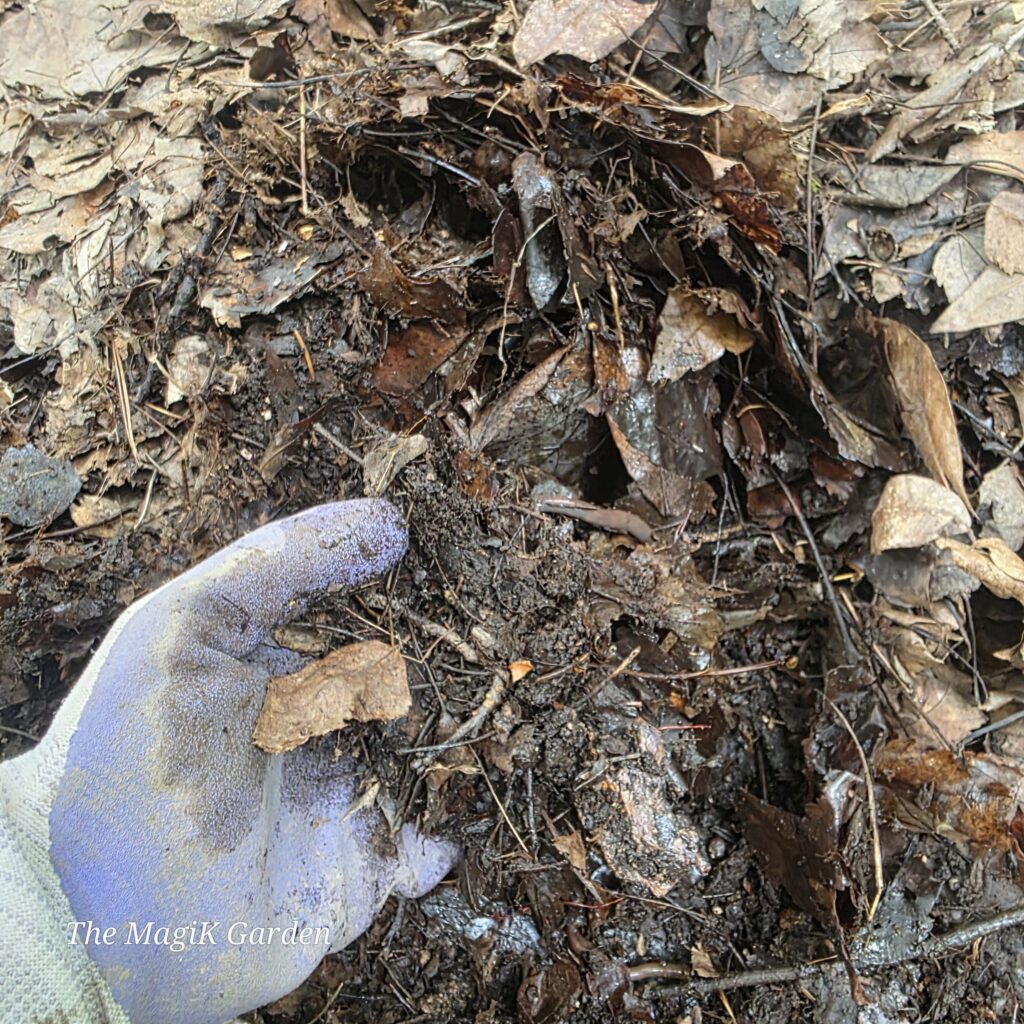
The birds arguably prefer the piles. This is the best natural birdfeeder for certain species like robins and catbirds, who will regularly pick through the leaf pile for worms and other insects. You just need it to sit for around two years in a moist, shady location, then scrape back the top layer of leaves to find the leaf mold.
An optional step is to purchase some native mushroom spawn. I opted for adding bluets to these areas, which I got from North Spore (I’m not an affiliate or sponsor). We’ll find out next year if any of it took. They have instructions on how to grow them, but a good mix of partially decomposed wood, leaf litter, leaf mold, and broken up sticks and twigs is ideal.
I like to mix it all up together: the well-rotted wood dust, bits of partially decomposed wood, the leaf mold, and the leaf litter. Then I mulch the surface of the woodland soil with it. Scatter some across the soil surface, add some of the mushroom spawn on top, and then scatter more of your compost on top of that. I’ll reserve some of the dry leaf litter to scatter on top as the final dressing. You can also include some wood chips as well. Be sure to scrape away all of this to bare soil when you’re adding in your plants.
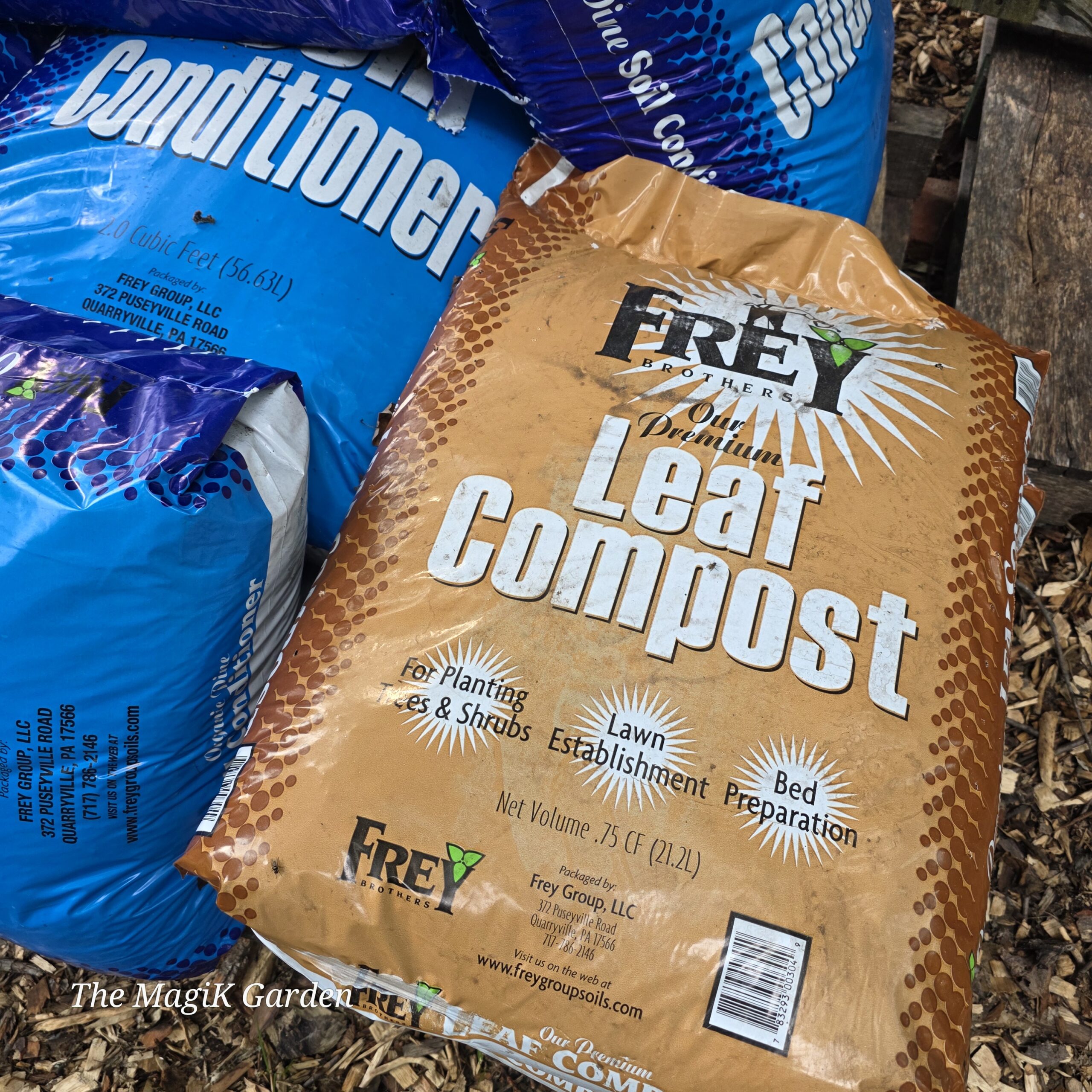
PS. If you don’t have access to leaf mold, Frey Brothers makes both leaf compost and soil conditioner, which can be mixed in with the soil itself. It’s more expensive than using the free materials nature gave you, but it should be fairly sterile and free from pests. If you need something to start out with so you can then start collecting your own material, it’s a viable option.
Finding Inspiration In The Wild
My eldest had asked me last week if we could go to a park, and I knew just the place to go. I’d been wanting to do the Mount Misery to Mount Joy loop at Valley Forge, which is a four-mile hike. Since I’ve been so focused on both the nursery and cramming for my pesticide applicator certification, I didn’t hesitate to say, “Yes, let’s go on Friday.” I, too, needed a change of scenery.
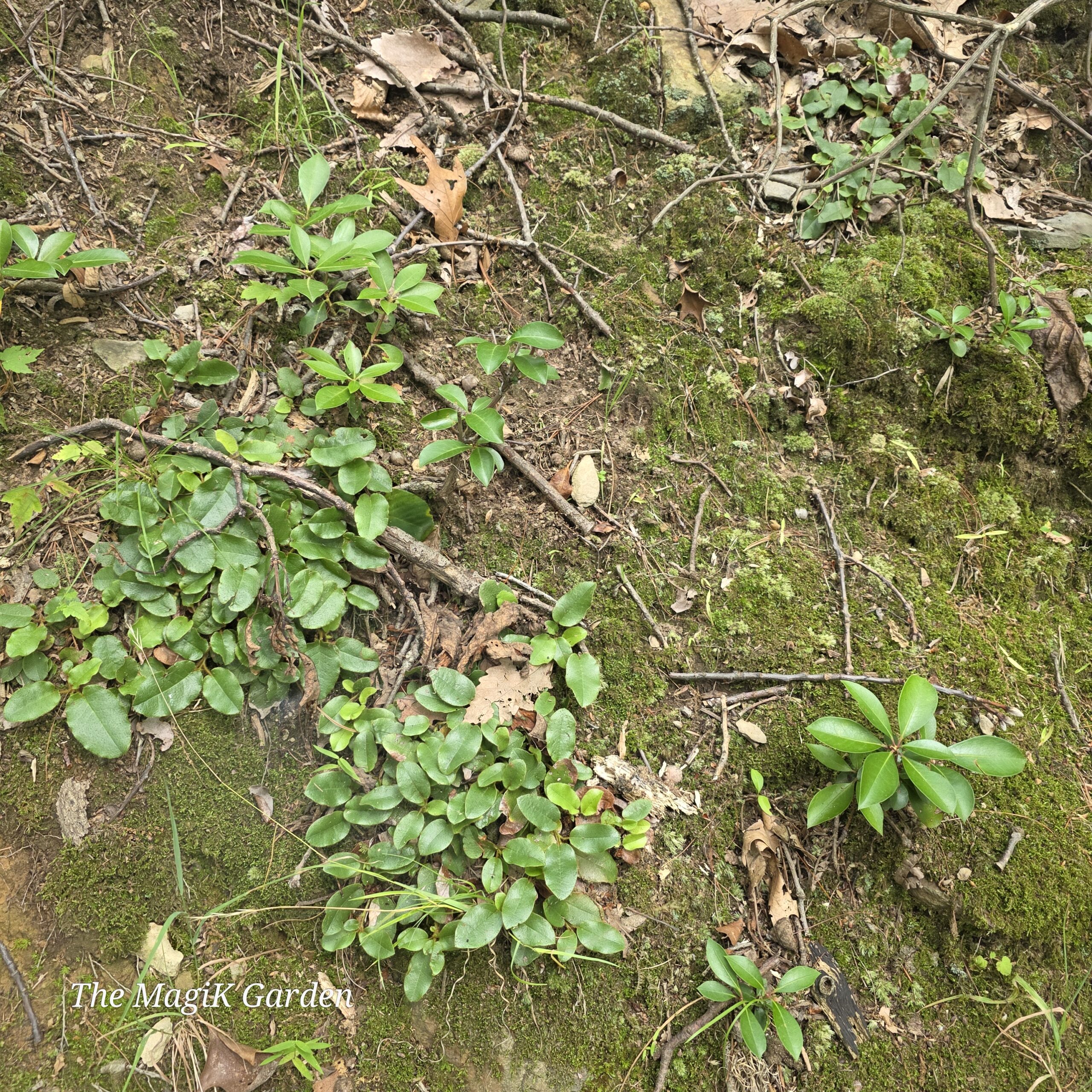
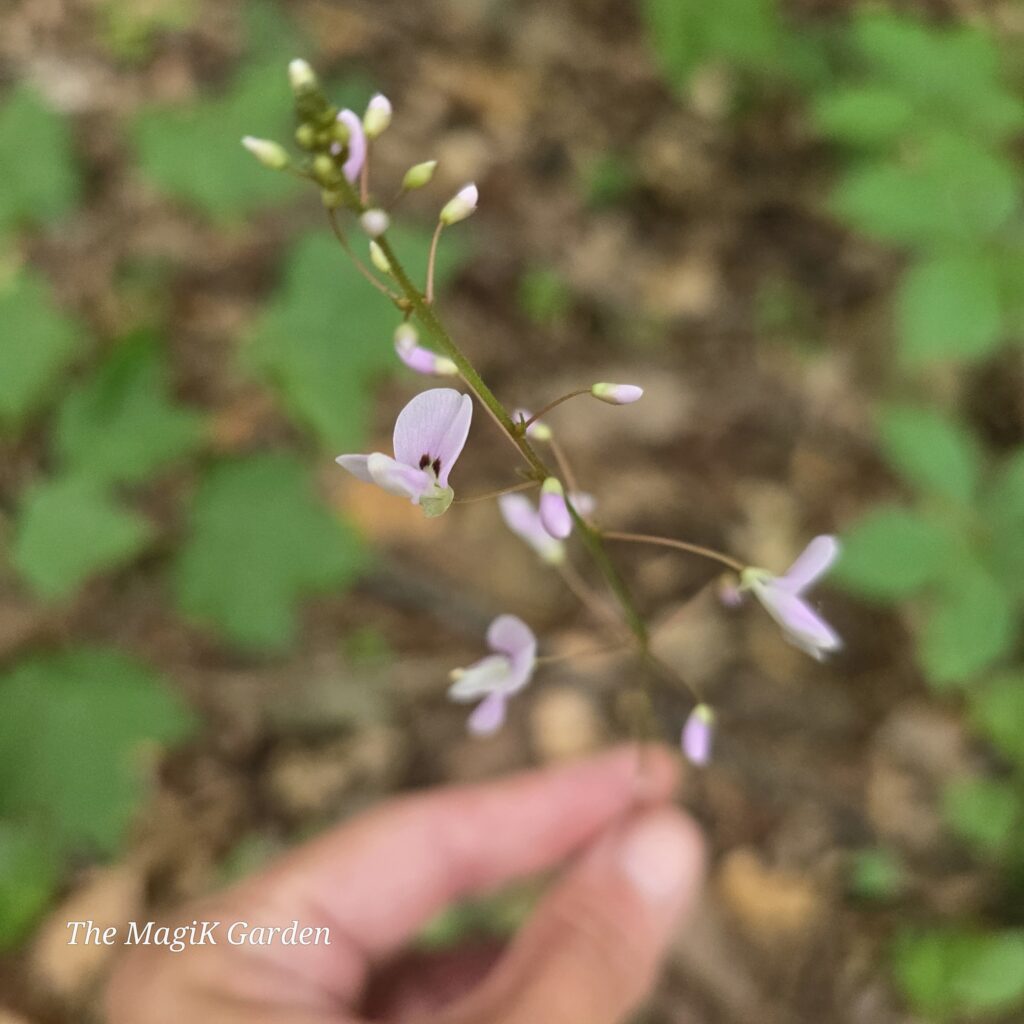
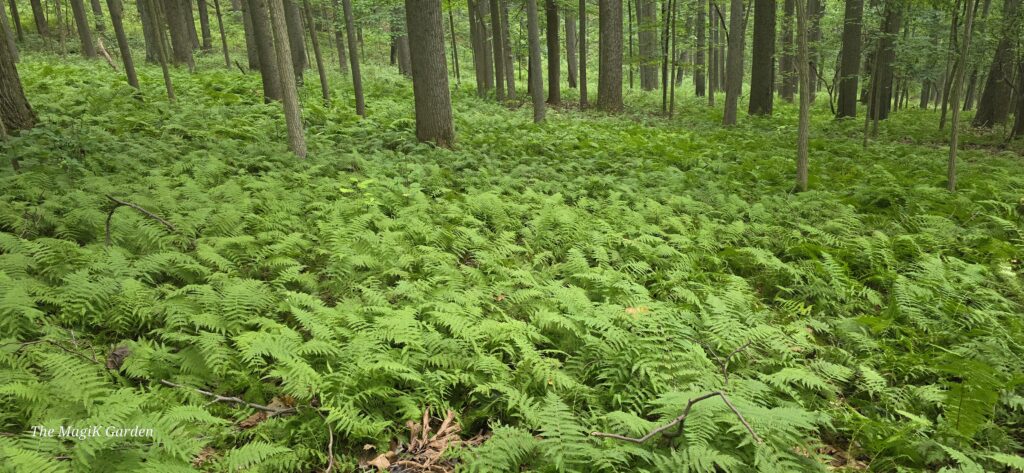
Those of us who live in the greater Philadelphia area are incredibly lucky to be within short driving distance to some really great day hike locations. Since we went after lunch hour, it wasn’t terribly busy, but we did cross paths with a few hikers along the way. Some parts of the trail were far more infested with invasive species, but there were some stretches of mostly native plants as well. The understory species I could pick out included Cryptotaenia canadensis (developing seed), Eutrochium purpureum (which was getting ready to bloom), Hylodesmum glutinosum (peak bloom), Prunella vulgaris (blooming and some seed setting), and vast populations of massive, old Kalmia latifolia. Near the end of our trail I spotted patches of Epigaea repens (just the leaves, blooms very early in spring), right along the trail growing in the rocky, mossy slope.
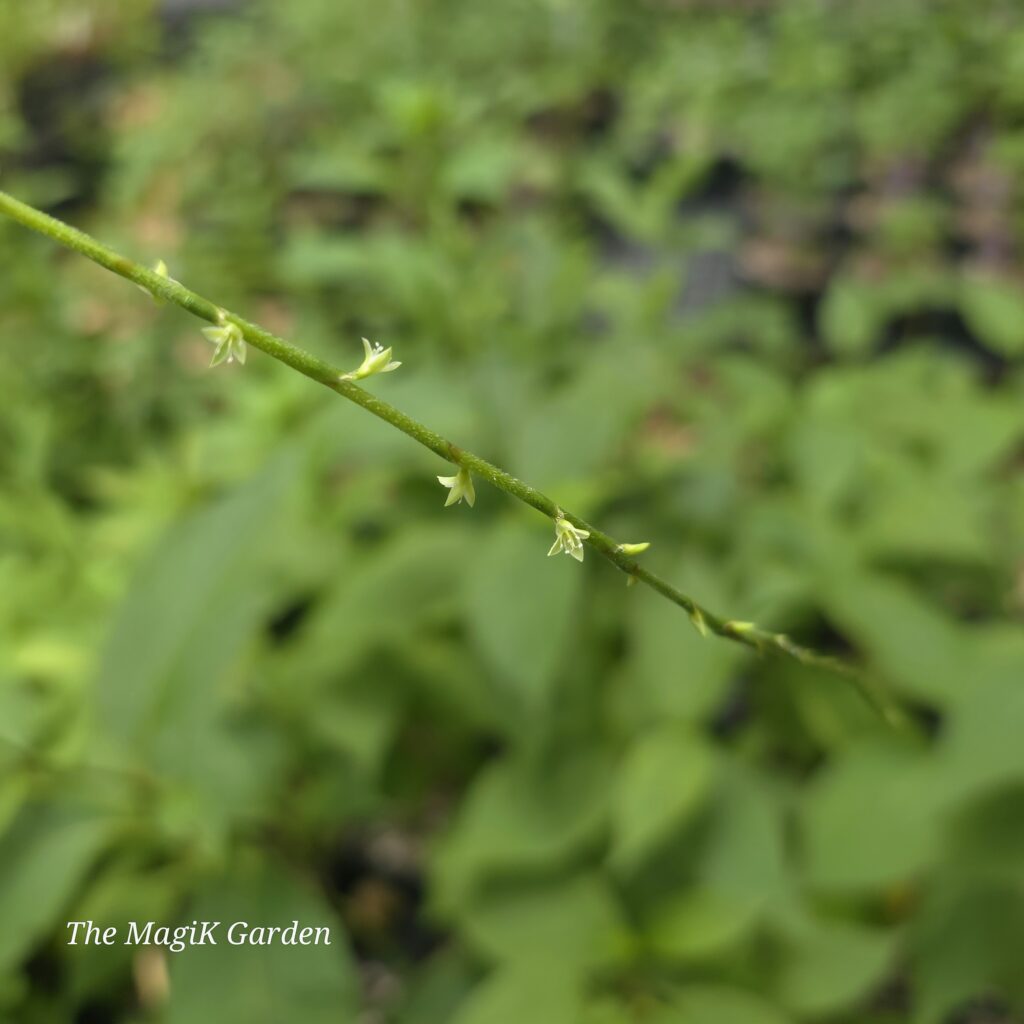
I was excited to see Clinopodium vulgare, which is the first time I’ve seen it in the wild in person, as well as Agrimonia striata, which is commonly found in high disturbance areas as a large weed, but not as the tiny, well-behaved yellow-flowering plants growing along the trail. I also spotted Persicaria virginiana, which is also blooming in my own nursery. All three mentioned here are available in my nursery.
I wrote down the ones I mentioned in the previous paragraph as species that I need to add next year. Other than trailing arbutus, we’ll see if or when I ever manage to get that one growing—someday!
What’s Poppin’ This Week?
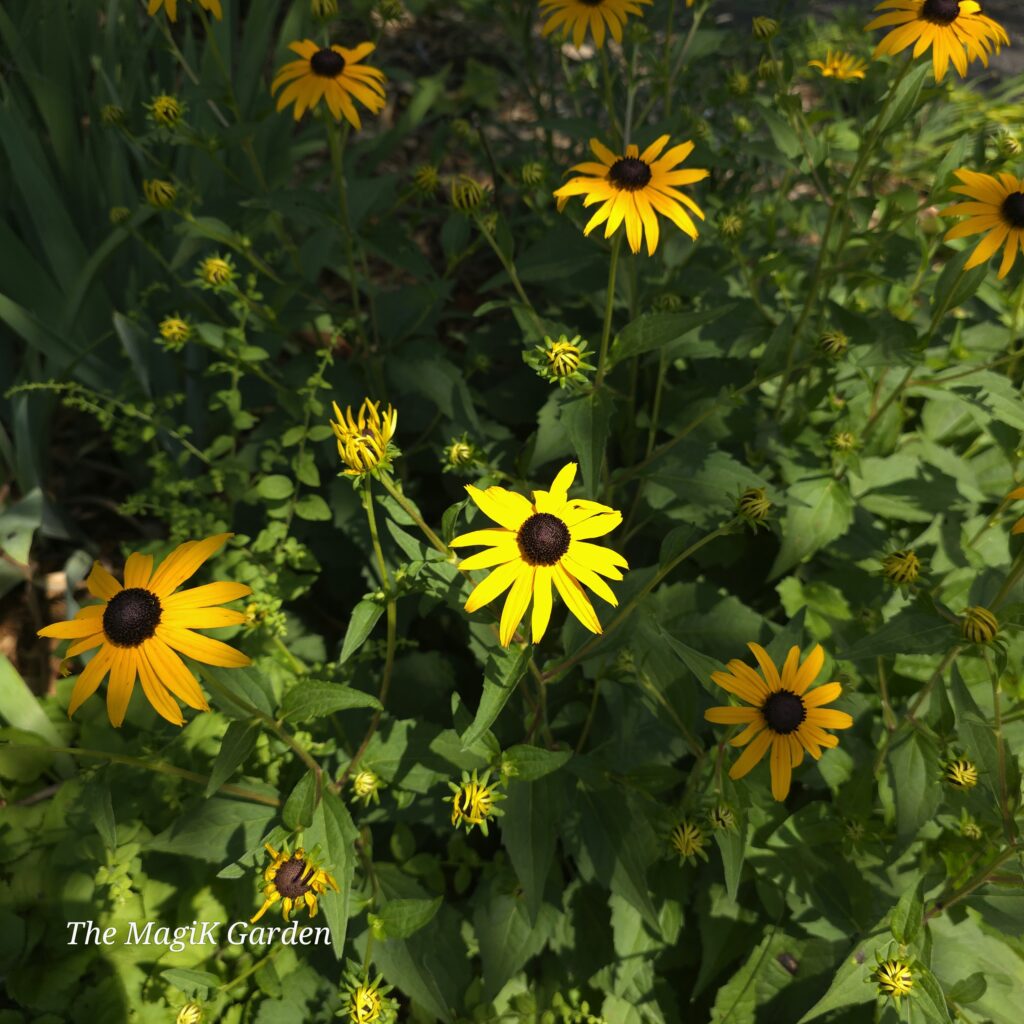
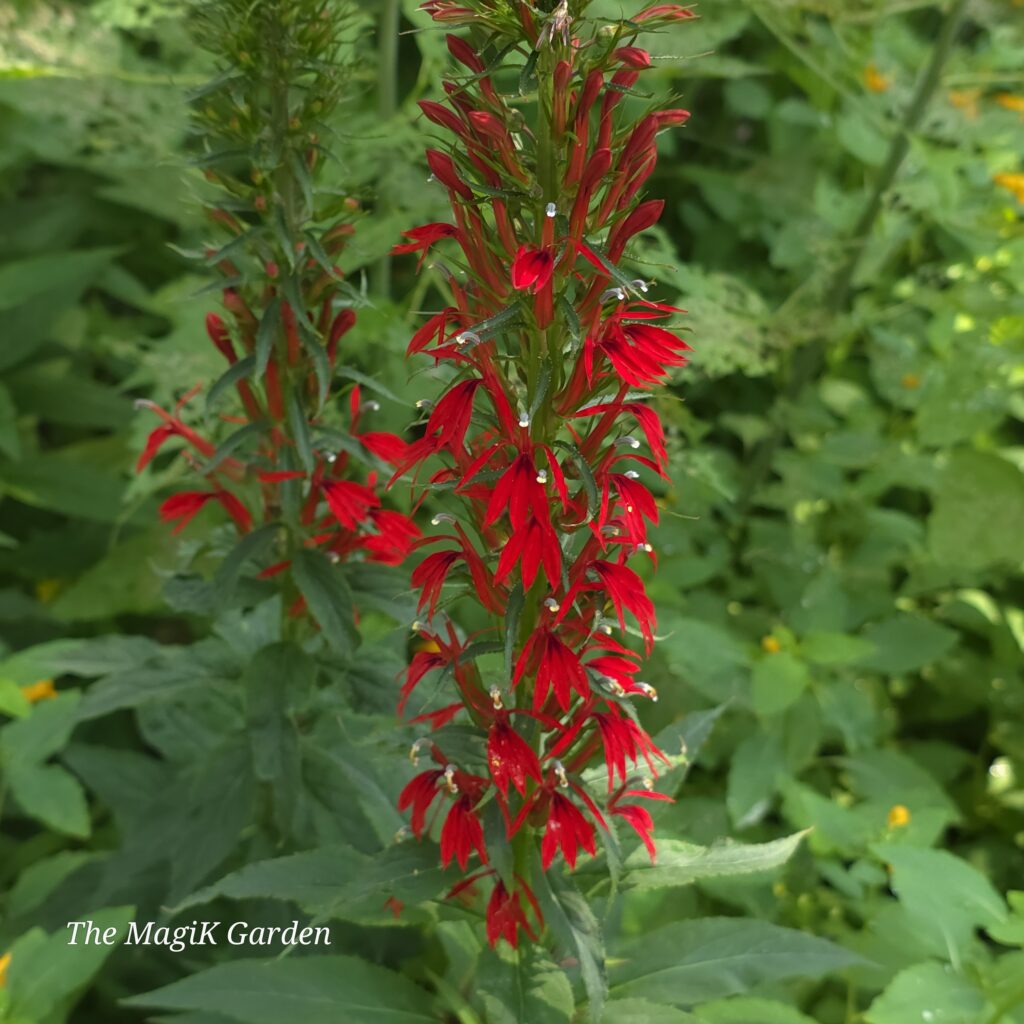
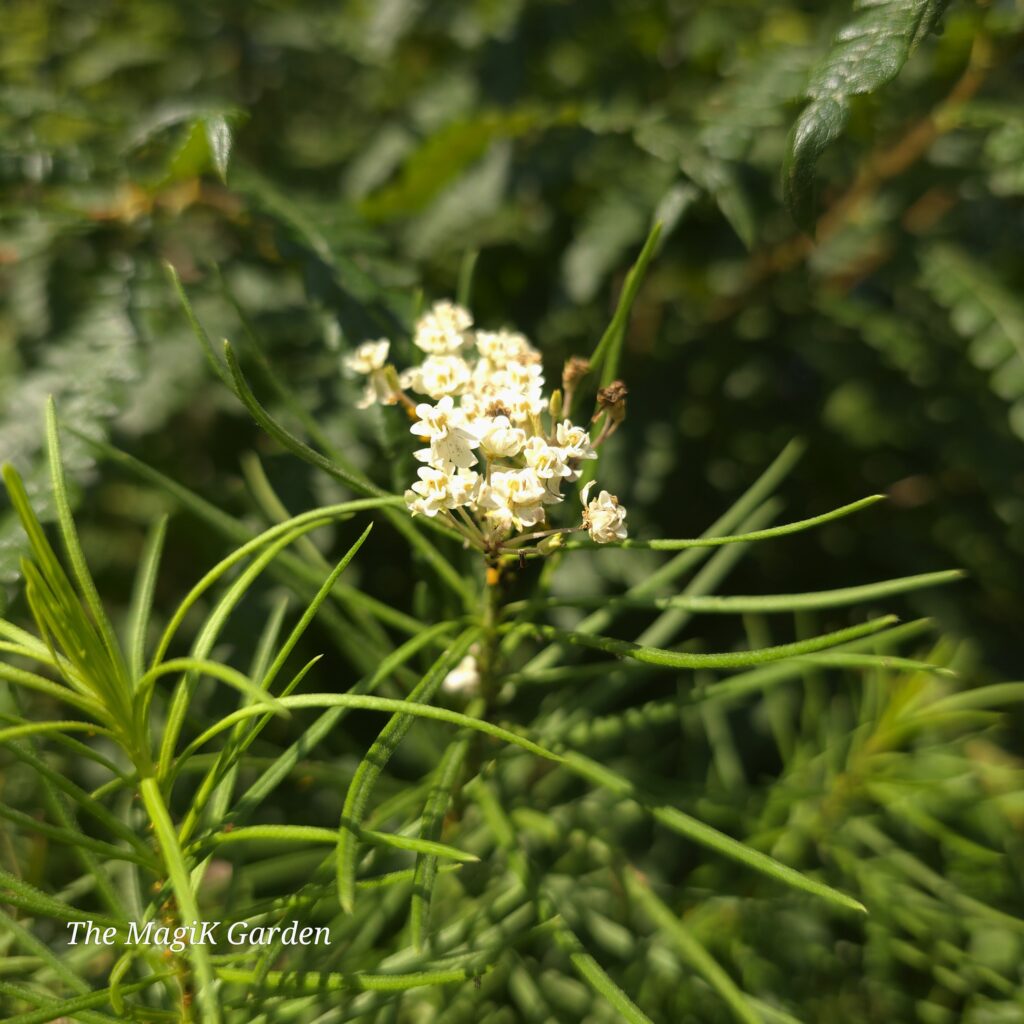
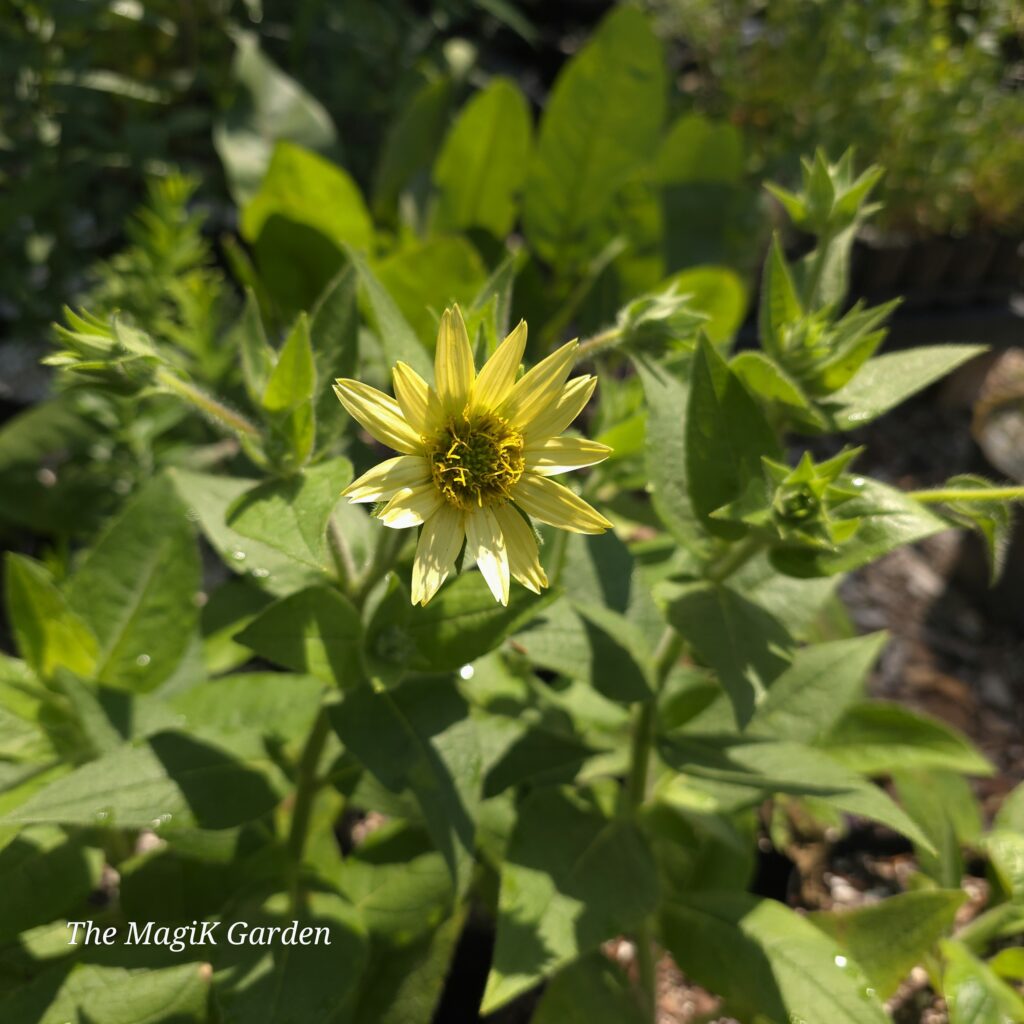
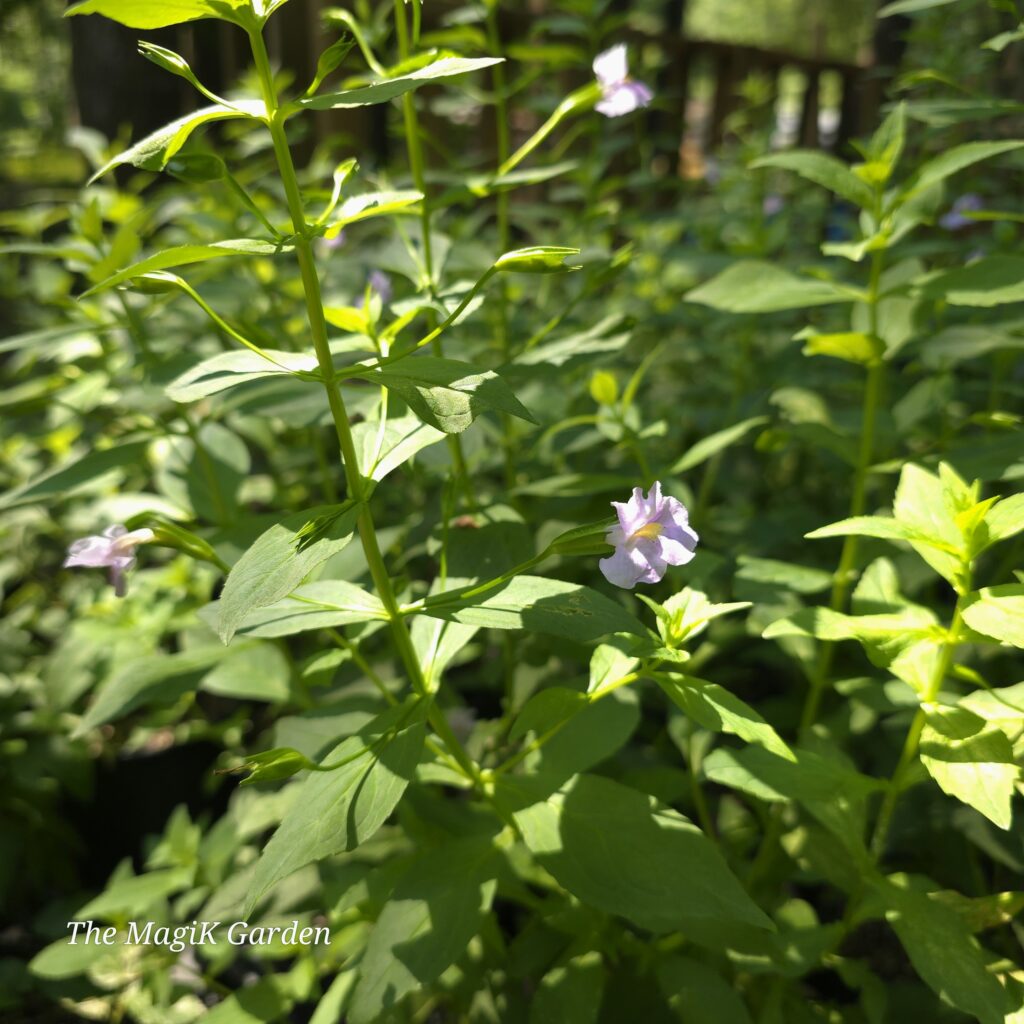
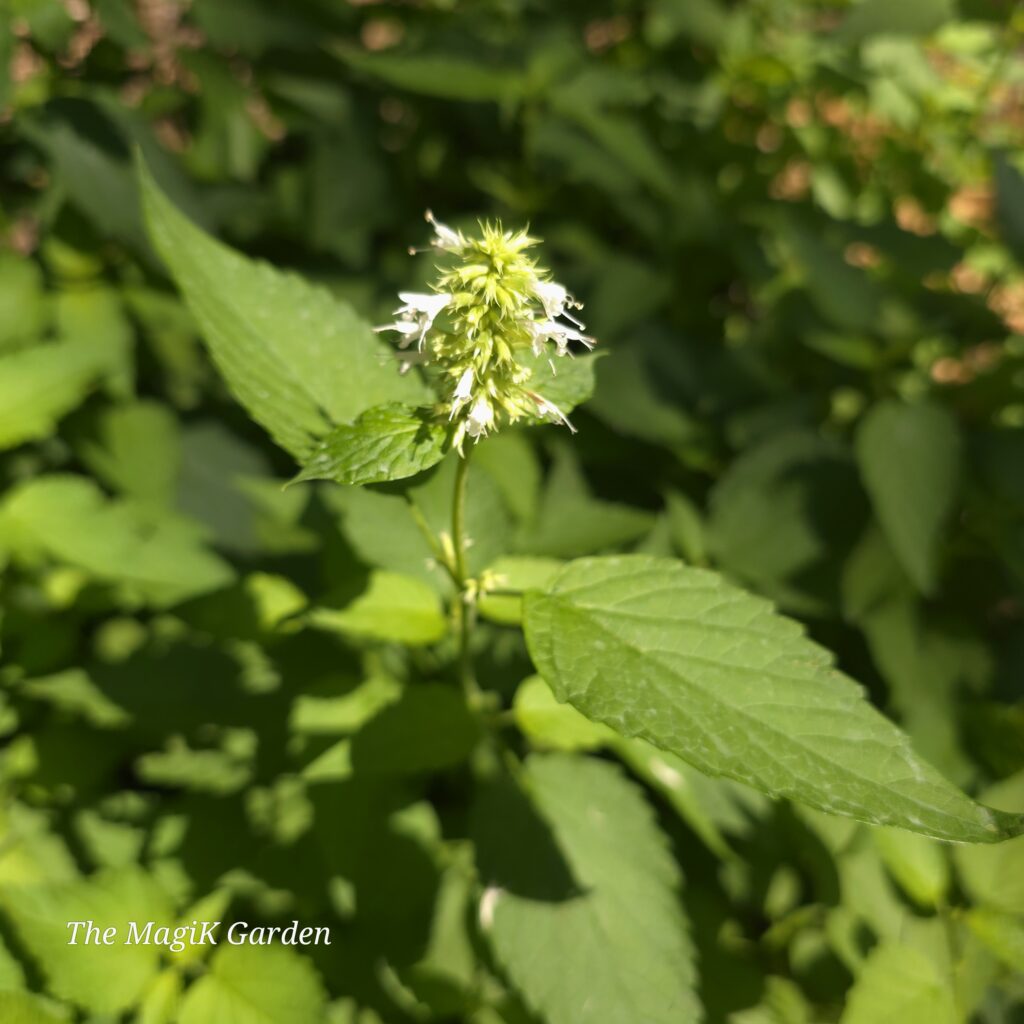
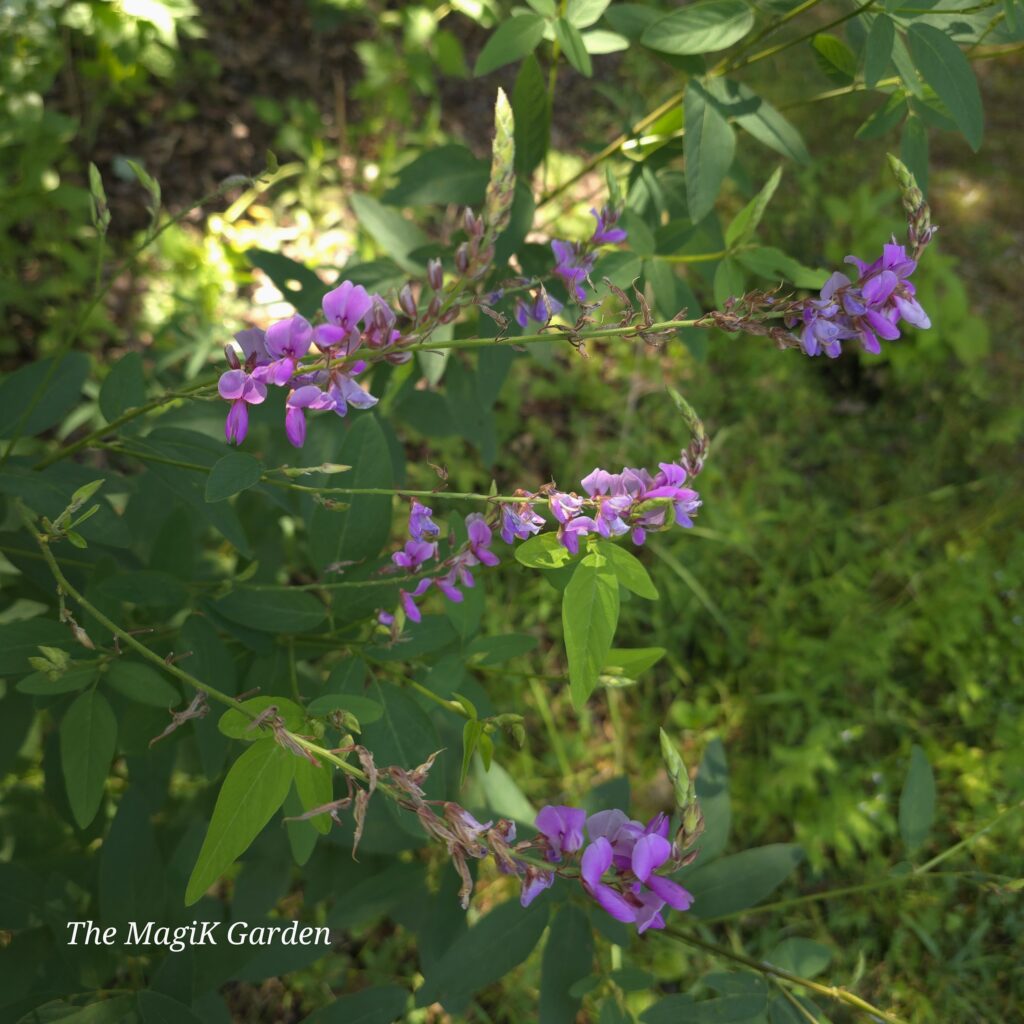
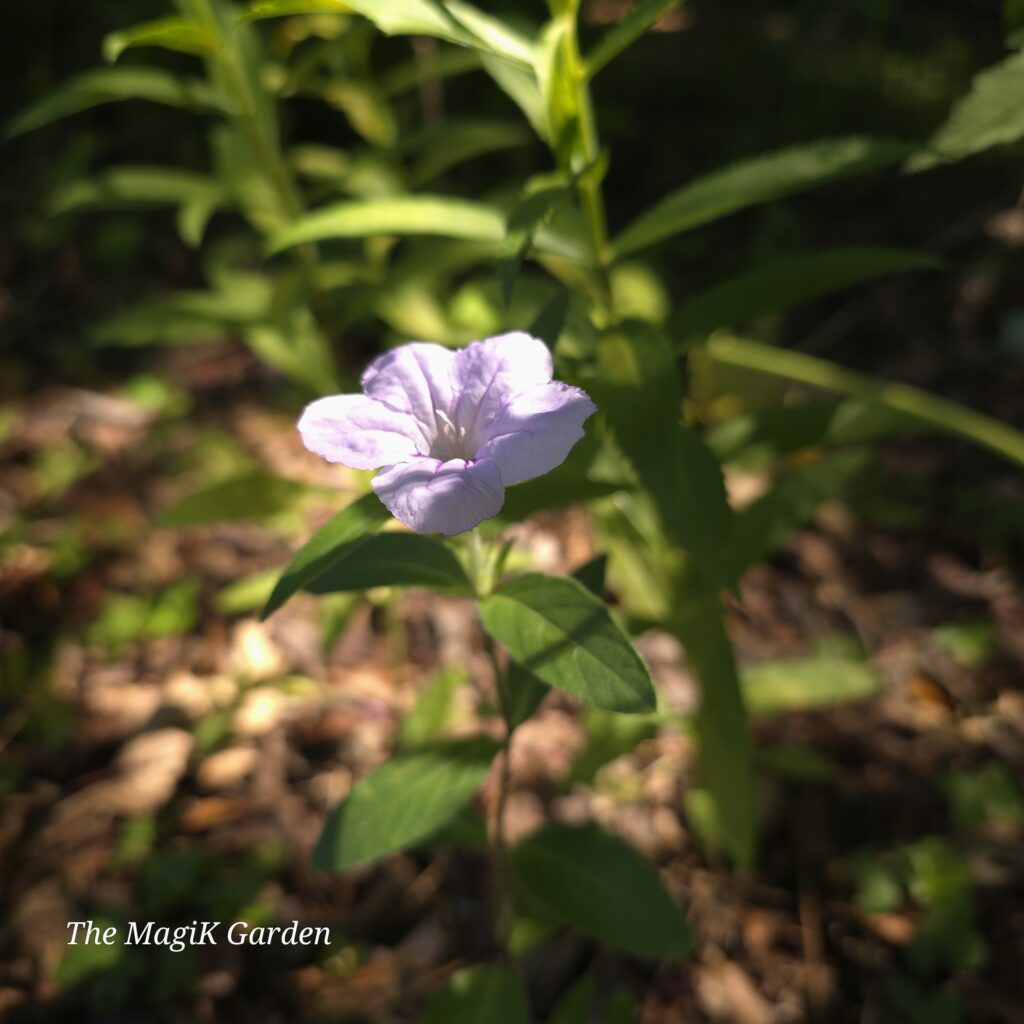
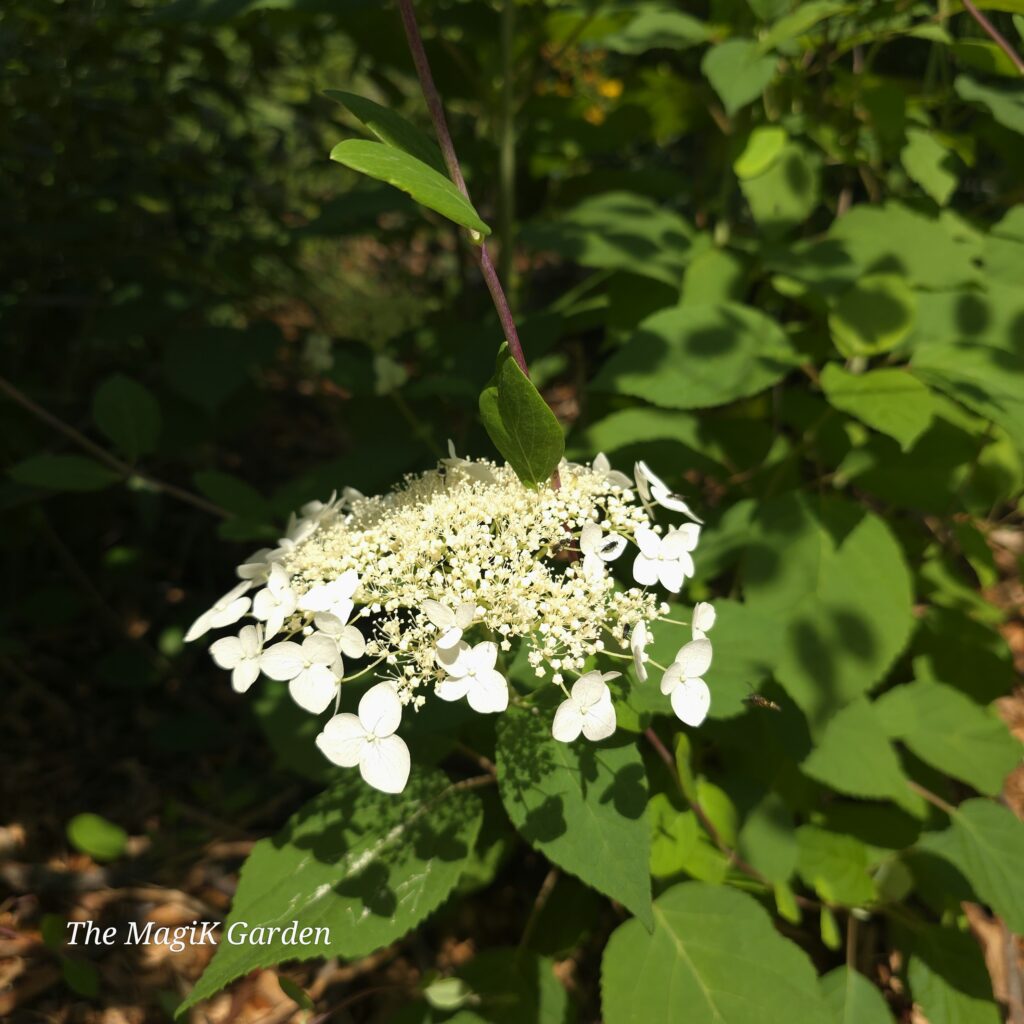
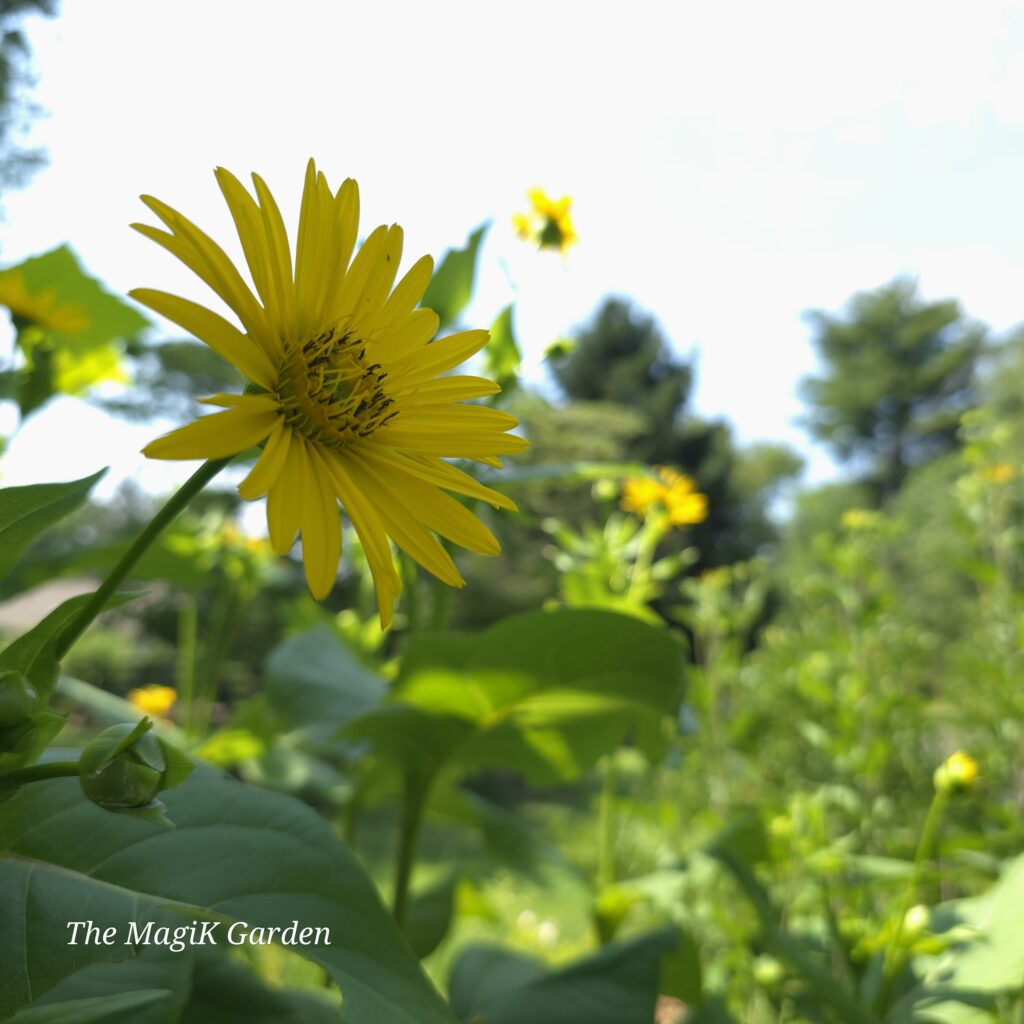
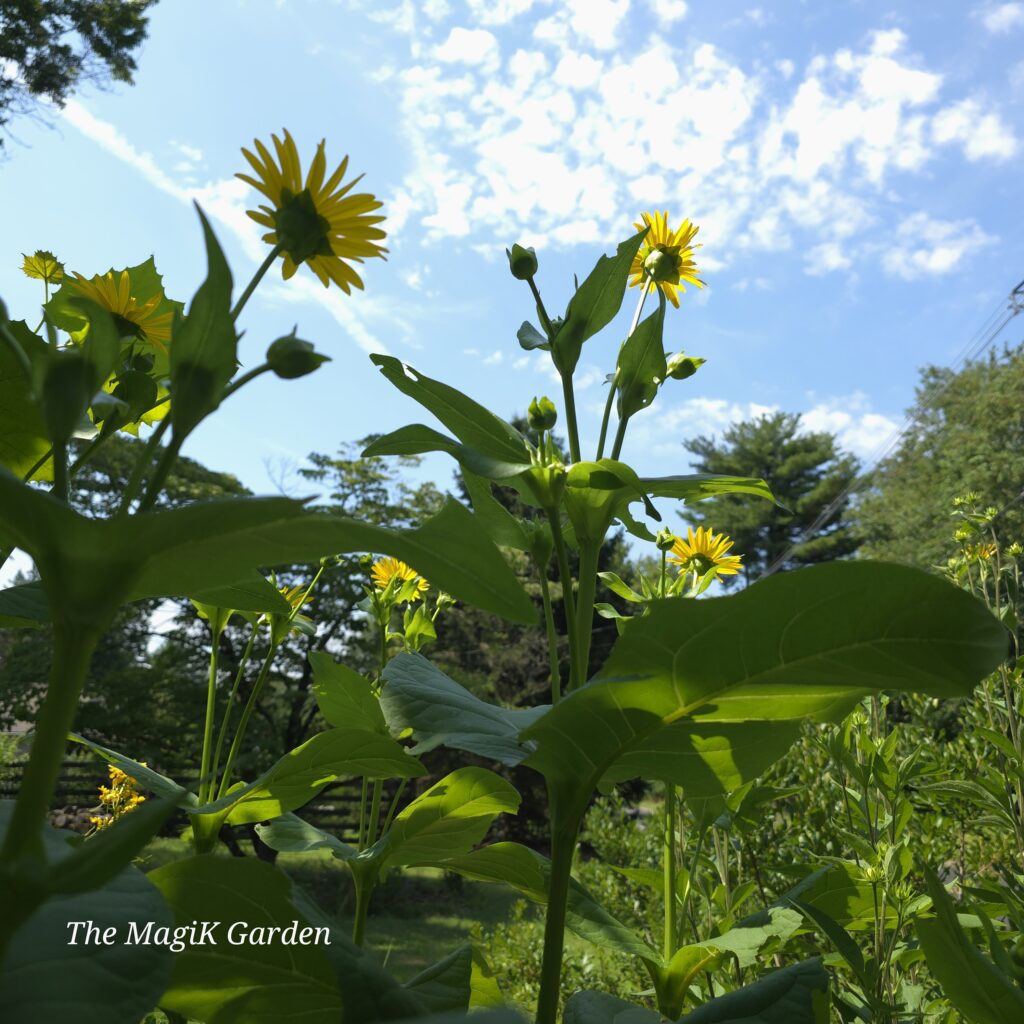
Here are the flowers that just popped open this past week. For the species I offer in the nursery, click through to see the listing.
Other Species Still In Bloom:
- Achillea millefolium (common yarrow)
- Campanula rotundifolia (American harebell)
- Erigeron annuus
- Monarda punctata (spotted beebalm)
- Silene stellata (starry campion)
- Lythrum alatum (winged loosestrife)
- Pycnanthemum muticum
- Pycnanthemum torreyi
- Pycnanthemum flexuosum
- Oenothera lindheimeri ‘Siskyou Pink’
- Cornus sericea
- Clinopodium vulgare (wild basil)
- Asclepias perennis
- Diervilla lonicera (northern bush honeysuckle)
- Ludwigia alternifolia
- Sida hermaphrodita
- Rhododendron arborescens
- Phemeranthus teretifolius
- Phemeranthus calycinus
- Rhexia virginica
- Spiraea tomentosa
- Scutellaria lateriflora (mad-dog skullcap)
- Asclepias tuberosa (orange butterfly milkweed)
- Hypericum kalmianum (Kalm’s St. John’s wort)
- Hypericum prolificum
- Monarda didyma (scarlet beebalm)
- Monarda fistulosa
- Coreopsis pubescens (star tickseed)
- Asclepias incarnata
- Pycnanthemum incanum
- Pycnanthemum loomisii
- Agastache foeniculum
- Senna marilandica
- Helianthus helianthoides
- Echinacea laevigata
- Veronicastrum virginicum
- Coreopsis rosea
- Campanulastrum americanum
- Coreopsis lanceolata
- Stokesia laevis ‘Peachie’s Pick’
- Parthenium integrifolium
Note: many of these species are commonly available at most native plant nurseries, which is why I don’t personally grow them. The ones that I do grow have currently for sale are linked in the text or image. A few that I do carry but are out of stock and others, I plan to carry in the future. This is meant to be a list for inspiration based on our local phenology if your garden is in need of some color this time of year.
Planting The Woods
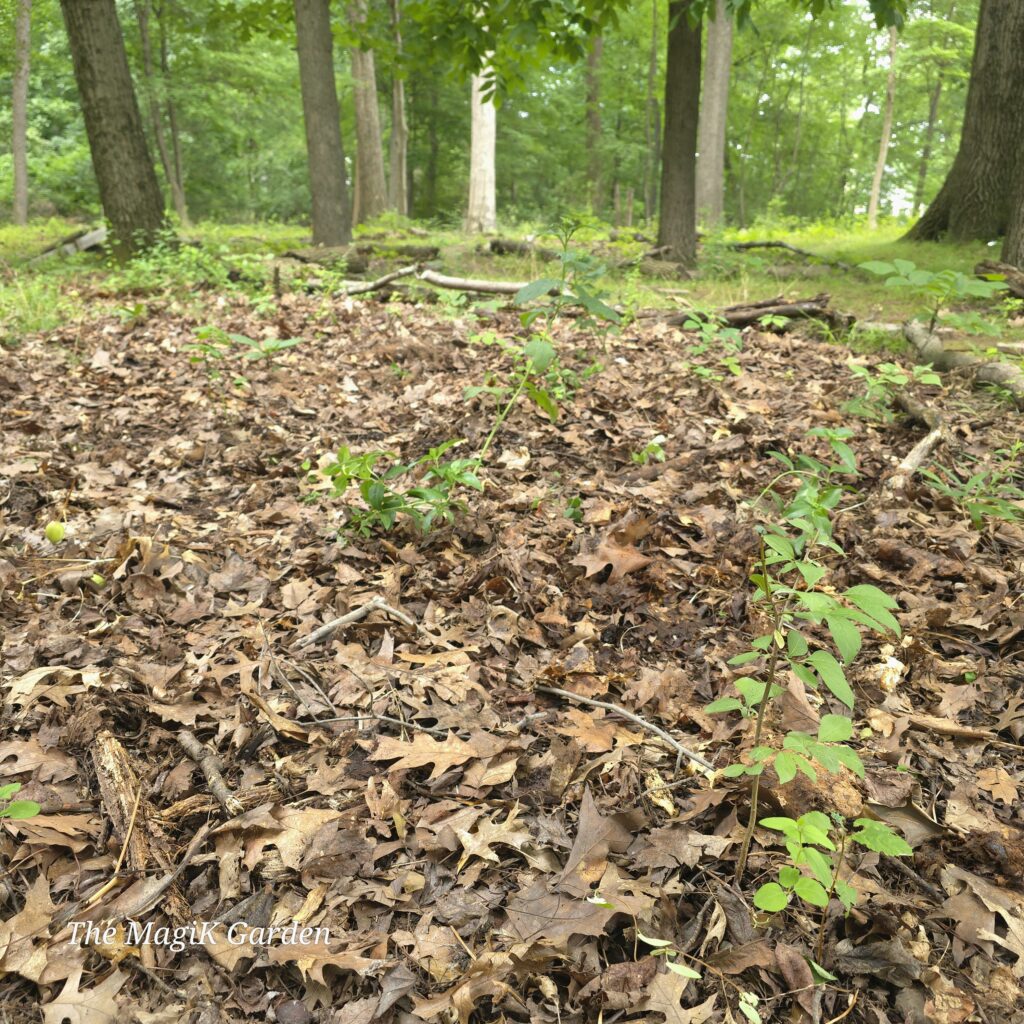
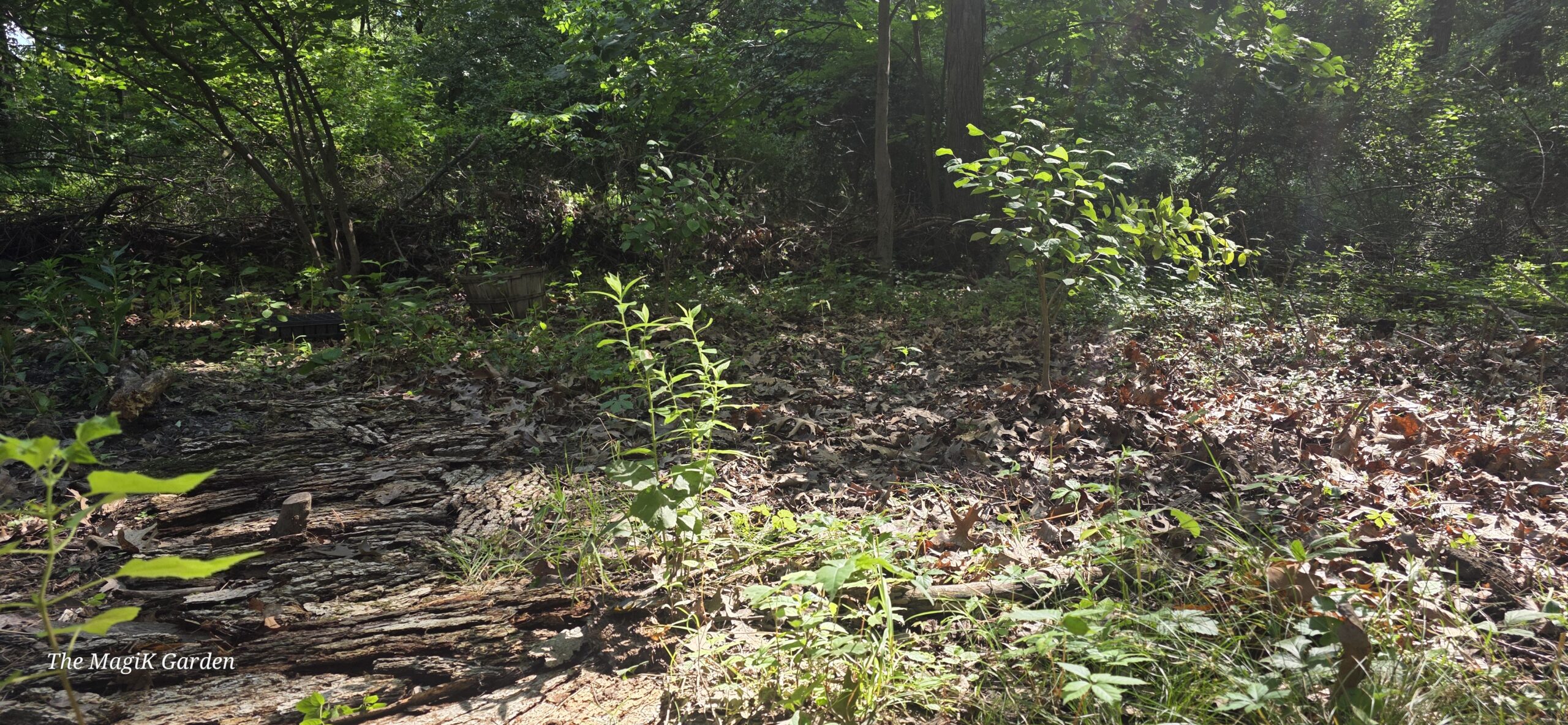
Something I neglected last year that I really wanted to focus on this year is to have a more balanced approach to working in the nursery and continuing the long-term clean up and restoration process in the woodlands. This year I’ve been successful at clearing out larger sections of invasive species, though it still feels like a drop in the bucket.
The next steps after that are to do a bit of soil restoration work (which I’ve described earlier in this post) and to add native plants. You do not want to leave the ground bare for too long, because—by definition—it’s a disturbance area, and invasive plants will move right back in. Some native species may pop up, but you’ll still need to stay on top of it and keep pulling invasive seedlings for some time, as well as any that you didn’t pull entirely that resprout.
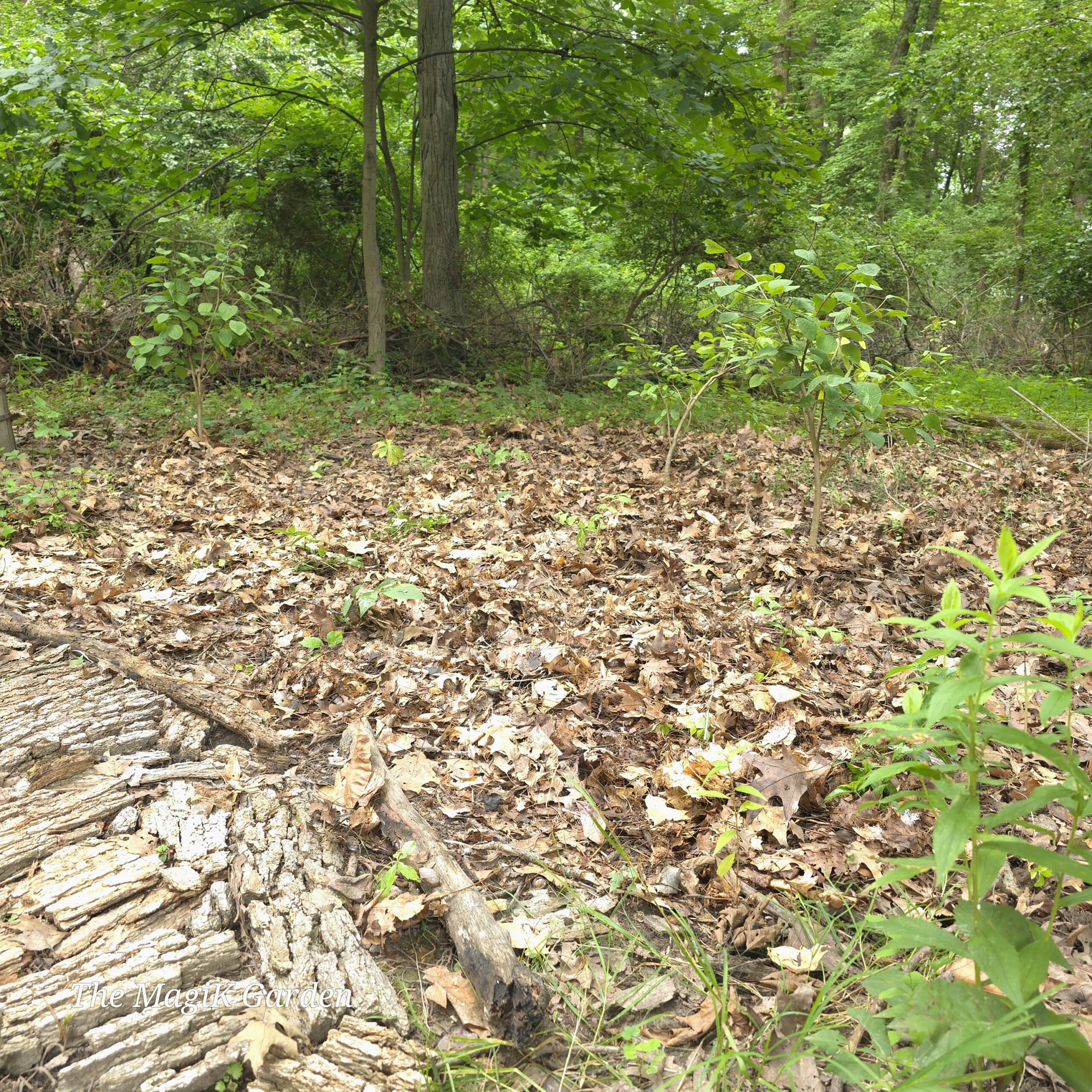
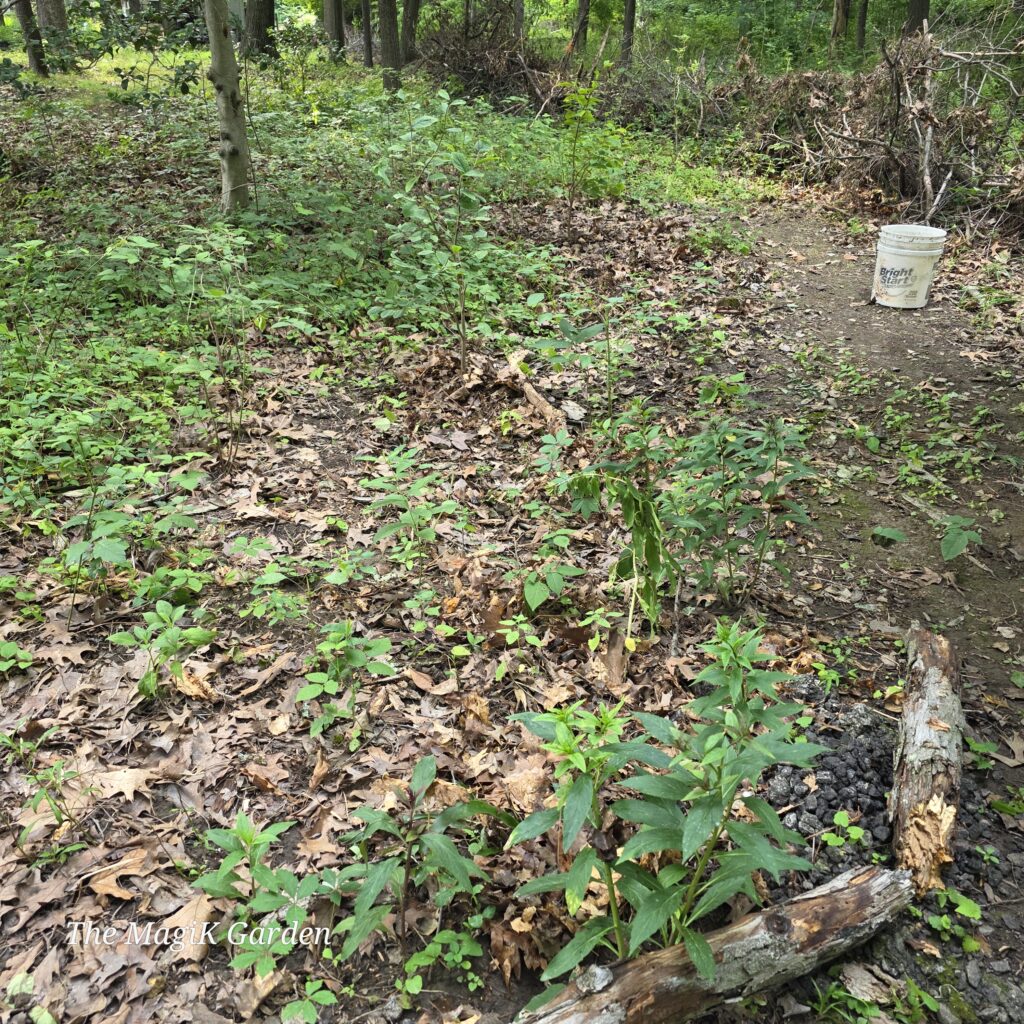
There are two sections that I’ve been working on simultaneously. One is right next to the nursery area and next to a dead oak. I don’t want to completely finish clearing that out for planting until I can get the arborist to make it safe, because it’s currently a snag that occasionally drops a branch. I’m only planting to one side of it and leaving the other side untouched until that happens. I started adding to it bit by bit in previous years. Like the Hydrastis canadensis seedlings, which are doing well, but I hadn’t cleared everything out yet until this spring. A few weeks ago, after clearing out the weeds, I added two Rhododendron maximum seedlings that I started in November 2024, and the Mimulus ringens, (the latter of which is currently blooming). This past week, upon receipt of my bluets spawn, I added some of that to the bed, then planted Uvularia grandiflora, Gentiana andrewsii, and Amphicarpea bracteata. I also had two Hylodesmum glutinosum seedlings that made it this year, so I added those here as well after seeing them blooming in Valley Forge.
The second section is next to the massive spicebush, which I started clearing out and planting last year. It’s right along the edge of the property in an area that is perpetually moist. This is perfect for species that love moist shade and are intolerant of drying out. Other parts of the woods tend to dry out more, especially since I’ve taken out the invasive thickets that were keeping them shaded and moist. Here I planted five very large, several-year-old Dirca palustris specimens, which will serve as a seed supply for the nursery in the near-future. I also added Uvularia grandiflora, Gentiana andrewsii and Amphicarpea bracteata as I’d done in the other bed.
The large-flowered bellwort will fill in as a spring-blooming groundcover over time, and the hog-peanut (an annual) will reseed and fill in the gaps. The bottle gentian is a clumper (though capable of reseeding), which will provide beautiful purple flowers in late summer to early fall. I look forward to seeing these areas mature and fill in after seeing them devoid of life other than invasive species for far too long.
Are you looking for a native gardening community, but hate social media?
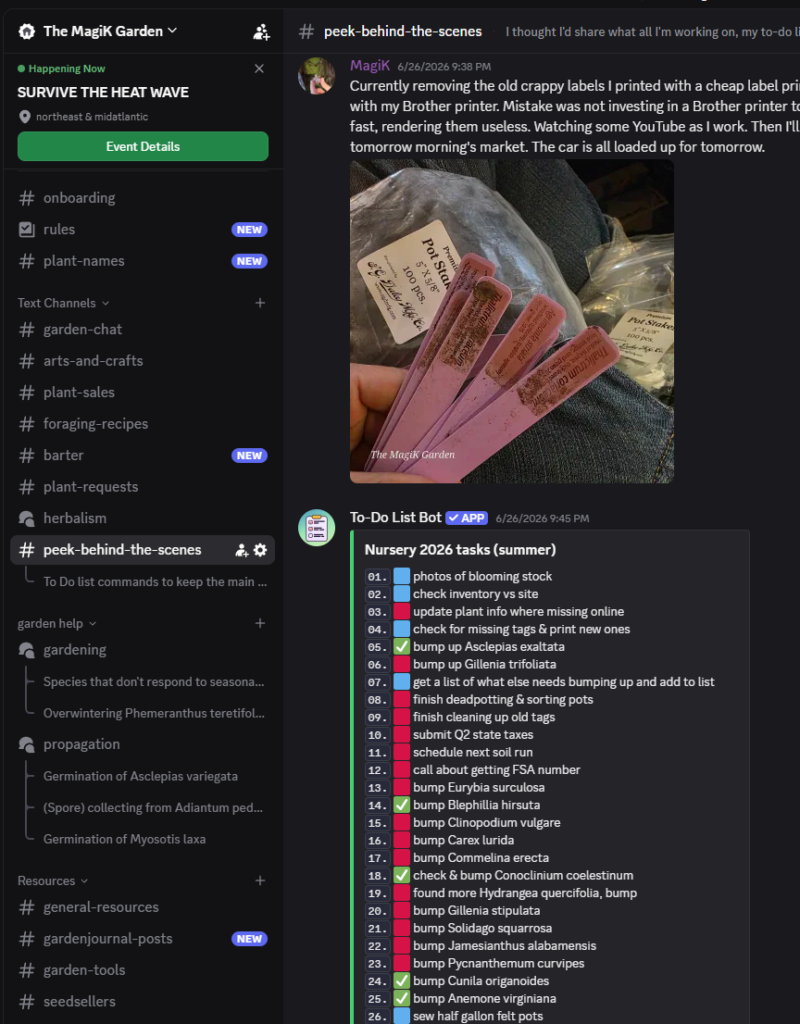
Do you wish there were some way to easily find and access help and resources, away from AI bots, spammy ads, and all the online noise? Have you been trying to connect with other people who are passionate about native gardening, but tired of “yelling into the void?”
Why not try out my newly-launched Discord server? It’s a privately-run (by myself) online space* that serves as both a community chat and an old-fashioned forum.
Best of all, it’s 100% free to join and participate.
New to Discord? Here’s a great guide on how to use it.
*Users are subject to Discord’s TOS when joining.