
Garden Journal Week 27, 2026
surviving the heatwave | studying for pesticide applicator certification | bumping up plants | slow down
FTC Disclosure: Please note that some of the links in this post are affiliate or referral links (full disclosure here), and if you make a purchase or sign up for a service within a certain timeframe after clicking on one of those links, I may earn a small commission paid by the retailer at no extra cost to you. I wouldn’t recommend anything that I don’t or wouldn’t use myself. Thank you for your support!
Surviving The Heat Wave
This was a really tough week to get through, as far as getting any work done in the nursery. I was able to spend only an hour or two at a time on getting anything done. Then of course, as the end of the day drew near more ideal temperatures for getting things done, it was time to make dinner. I was tempted to serve dinner in the middle of the day to preserve a few precious hours.
It did give me time to work on a few other things, though. I hand-stitched some felt pots, cleaned up a bunch of tags, mended some clothes, and crammed for my pesticide certification. We’ll see if I’m ready to take the test by July 14th (the nearest test date). I should have it done by the end of July at the latest, but more on that shortly.
The next time you need to be outside during a heat wave—or if your AC breaks or your power goes out because of the extra strain on the grid—I have a tip for you to try. All you need is to get a few clean rags, some ice water, and a cooler.
Throw all of the rags into the cooler, then take one and ring it out before wrapping it around your neck. When it stops cooling, toss it back into the cooler and swap it out with another one. Make sure it’s wrapped around your neck, especially so that it’s over your carotid arteries. Those arteries supply oxygen to your brain, traveling up the sides of your neck to the front of your ears—you know, the ones you use to check your pulse. This helps to cool your body temperature down significantly.
This method is how the apprentices, interns, and I got through the horrible drought and heat in 2024 when I was working at Jenkins. We had to work through the summer—there was no other option. During the worst heat waves, we worked on easier tasks or stayed in the shade, but we were still working. Luckily, none of us ended up with a heat-related illness that year, even if it knocked us down a few times. I largely credit this cooling method to keeping us safe.
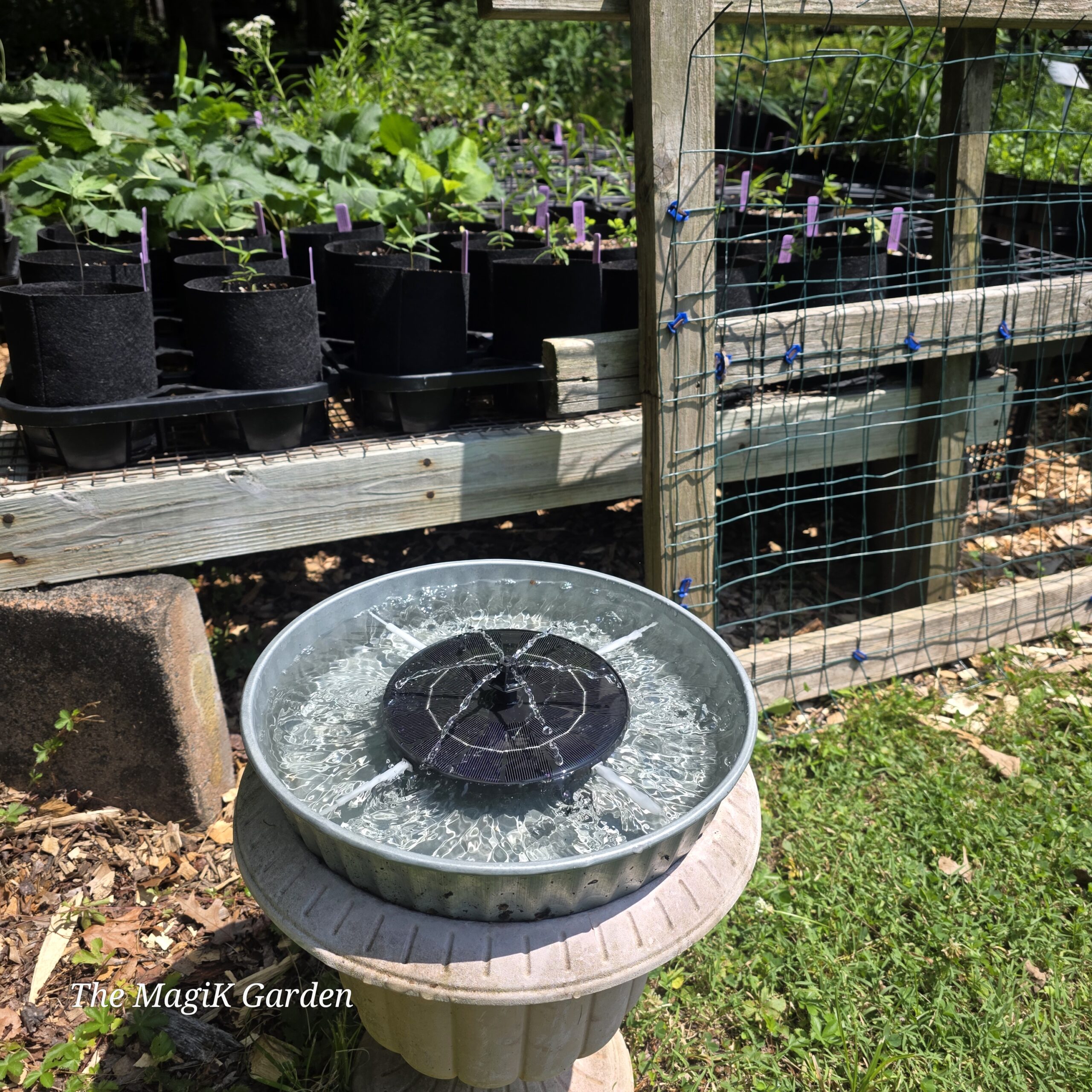
A cheap solar-powered water fountain placed in a shallow tray with water can help draw the attention of nearby songbirds. Our wildlife also struggle during heat waves. (affiliate link)
Studying For The Pesticide Applicator Certification
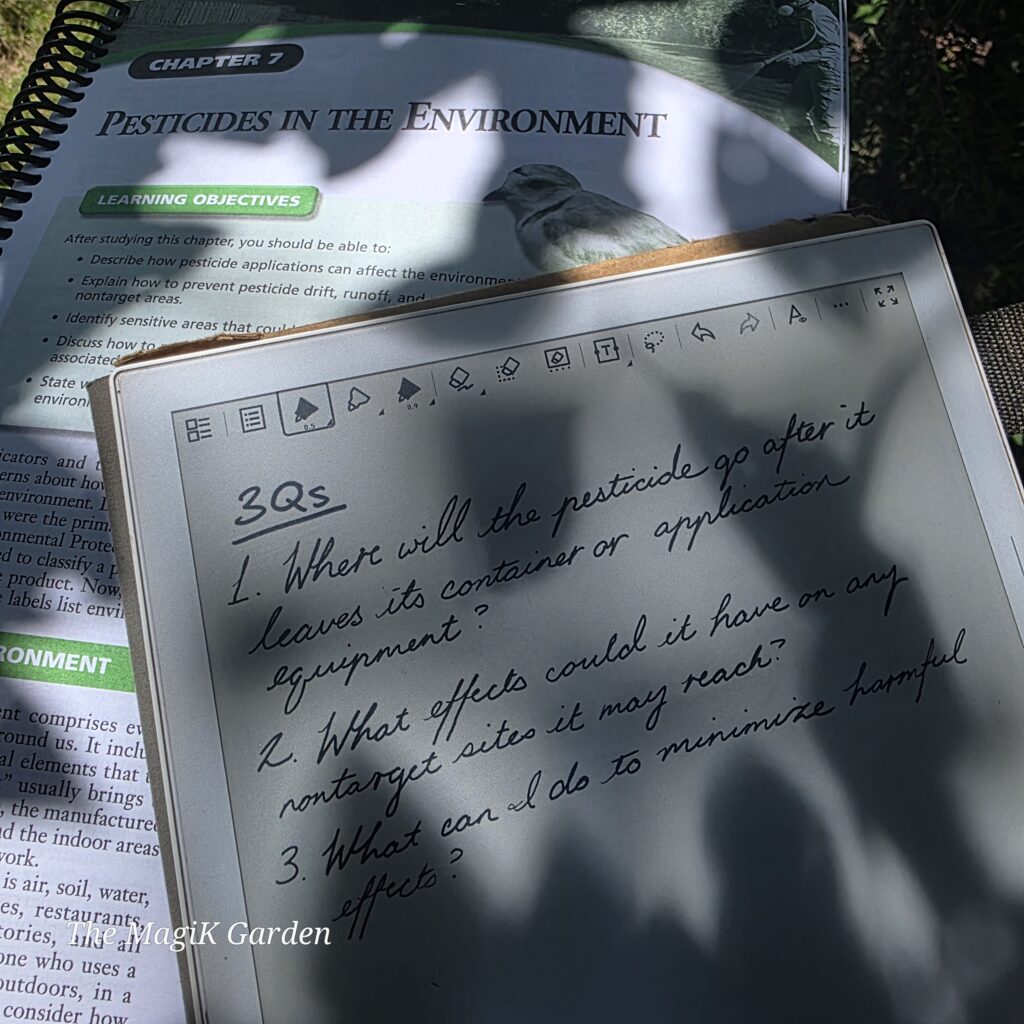
I wasn’t procrastinating on taking the test for any specific reason, despite saying that I was going to get it done since last year. I was just so busy with the nursery that by the time I had time or energy to do any reading, I was ready for bed. What helped was that my husband and I decided we’d do a family reading hour at lunch time. He works from home and we are trying to keep the kids reading throughout the summer, even though they’re technically on “summer break”. As homeschoolers, summer break is optional.
Accountability is easier when we’re all holding each other to it. That means that I, too, was required to actually sit down for an hour during lunch and read. I realized that there’s no better time than now to power through it. It also helps that I found a YouTube channel with a playlist that goes over the entire core text for the course, which I later realized is just the national text put out by the EPA. The state just took the book, slapped Pennsylvania on it, and charged $35 for the hard copy.
Since I intend to get a commercial applicator license to help local property owners handle invasive species, I also need to get through one of the focus areas. I had grabbed a few different ones to decide on one to do, but I only need to start out with one of them. My plan for now is to focus on “Right-of-Way and Weeds”, since I’m only planning on dealing with invasive plants. Luckily, it’s the shortest book of the three, so I should be on track for getting my test done by the end of the month, if not sooner.
Bump, Bump, Bump It Up
The task that by far takes up the most time in a nursery is bumping up plants to bigger pots. This is especially the case when you grow a lot of plants from seed and your nursery is still in the early stages of building up its inventory.
There are so many types of nurseries out there. Some are wholesalers who only grow plants in plug trays that are then sold off to resellers. The vast majority of retail nurseries are resellers. They will buy trays of plugs and bump them into bigger pots, growing them to a larger size that is more appealing to gardeners. I personally don’t understand why, because from my end, it looks like people want to pay more for plants. Plugs are so much easier to establish, but if people want gallon pots, gallon pots it is.
I probably wouldn’t enjoy my job nearly as much if I were a reseller. Growing from seed is by far the most rewarding aspect of the entire operation. Sure, it’s a bit more work and takes longer, but there really isn’t a way to describe the feeling of watching the seeds you sow germinate, put out their first leaves, grow out of their first container, and then the next.
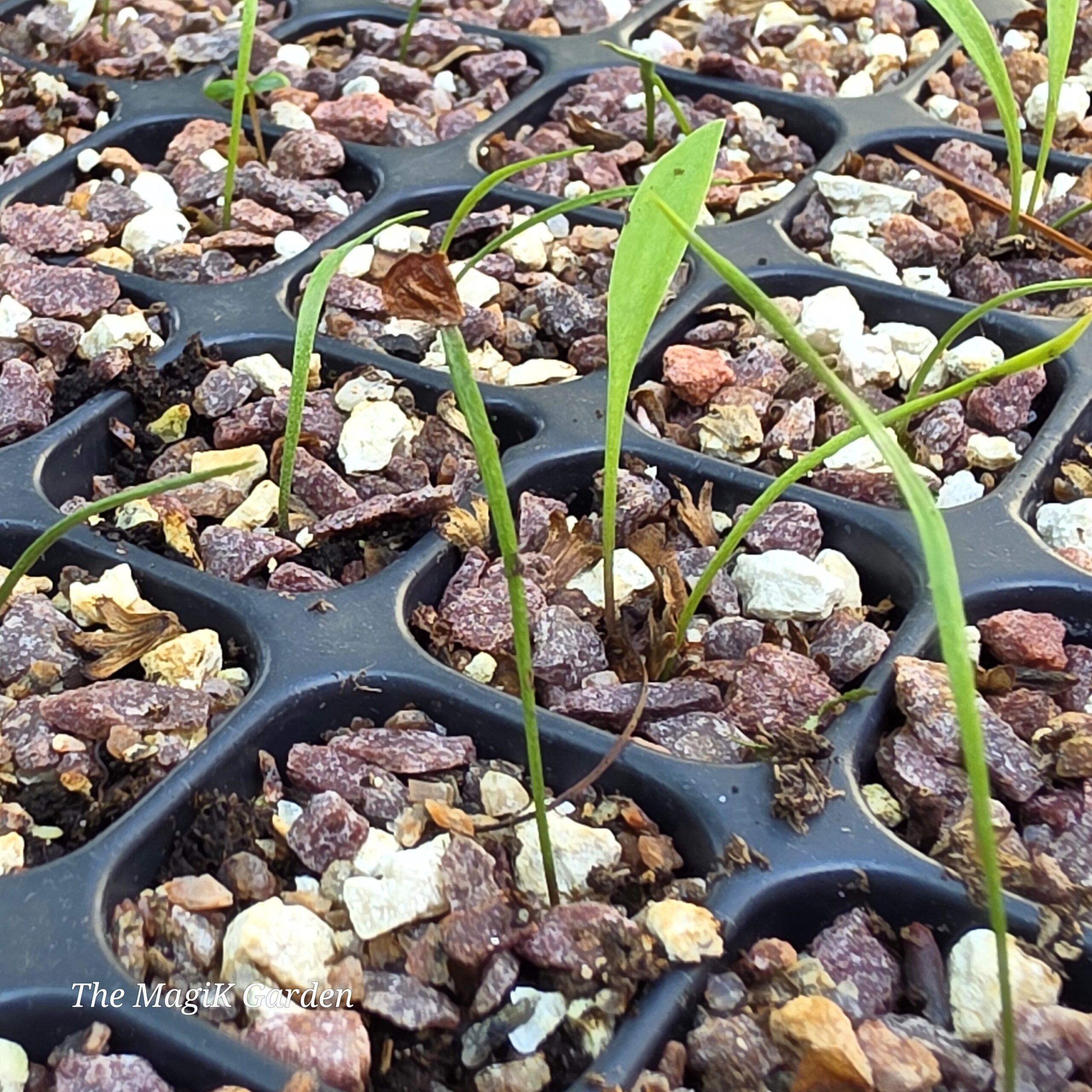
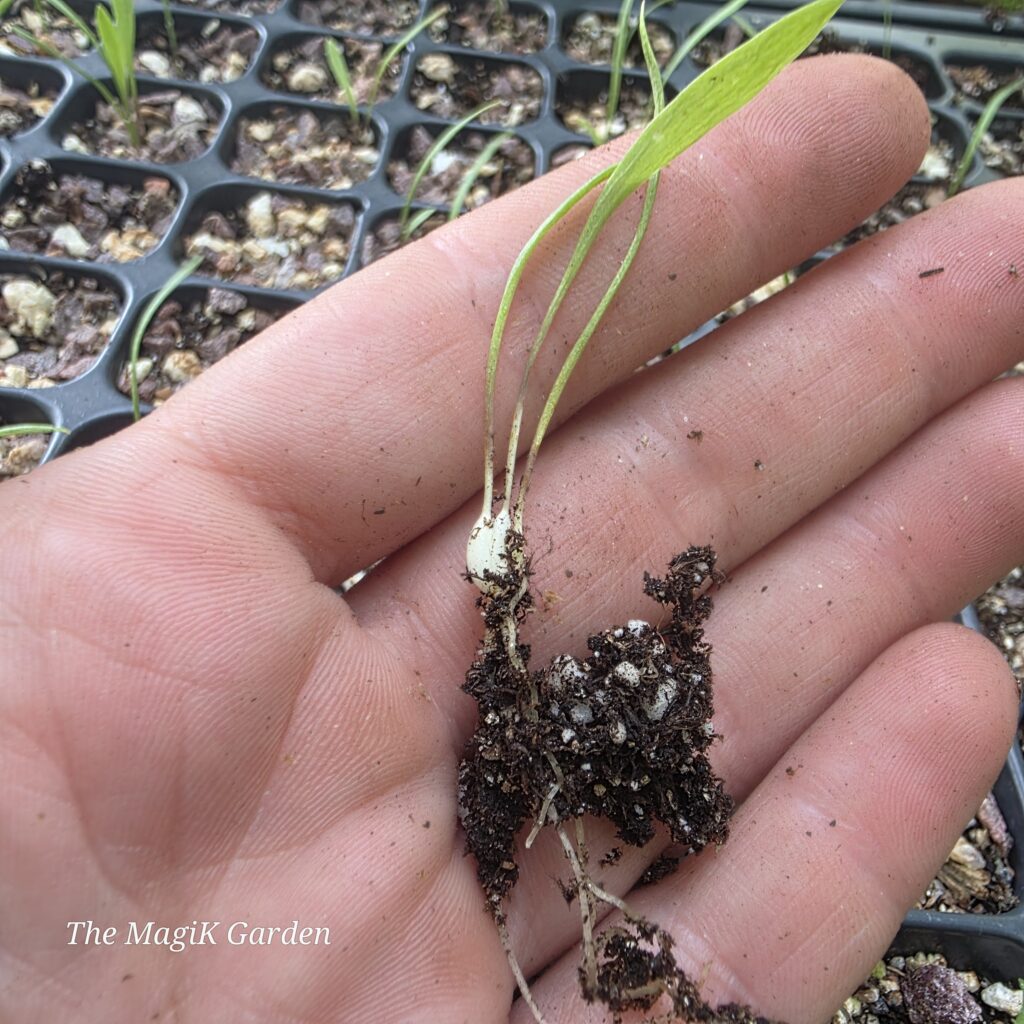
This week I finally bumped up a number of species I’d forgotten I’d sown the previous year, in addition to a few seedling trays from this year. Some, like Lilium philadelphicum, won’t be ready to list until next year, but some are ready now and were added to the shop. Check out a few of the new species in the show below!
Just Added!
Hello, is it these you’re looking for? I can see it in your eyes, I can see it in your smile… it’s all you’ve ever wanted.
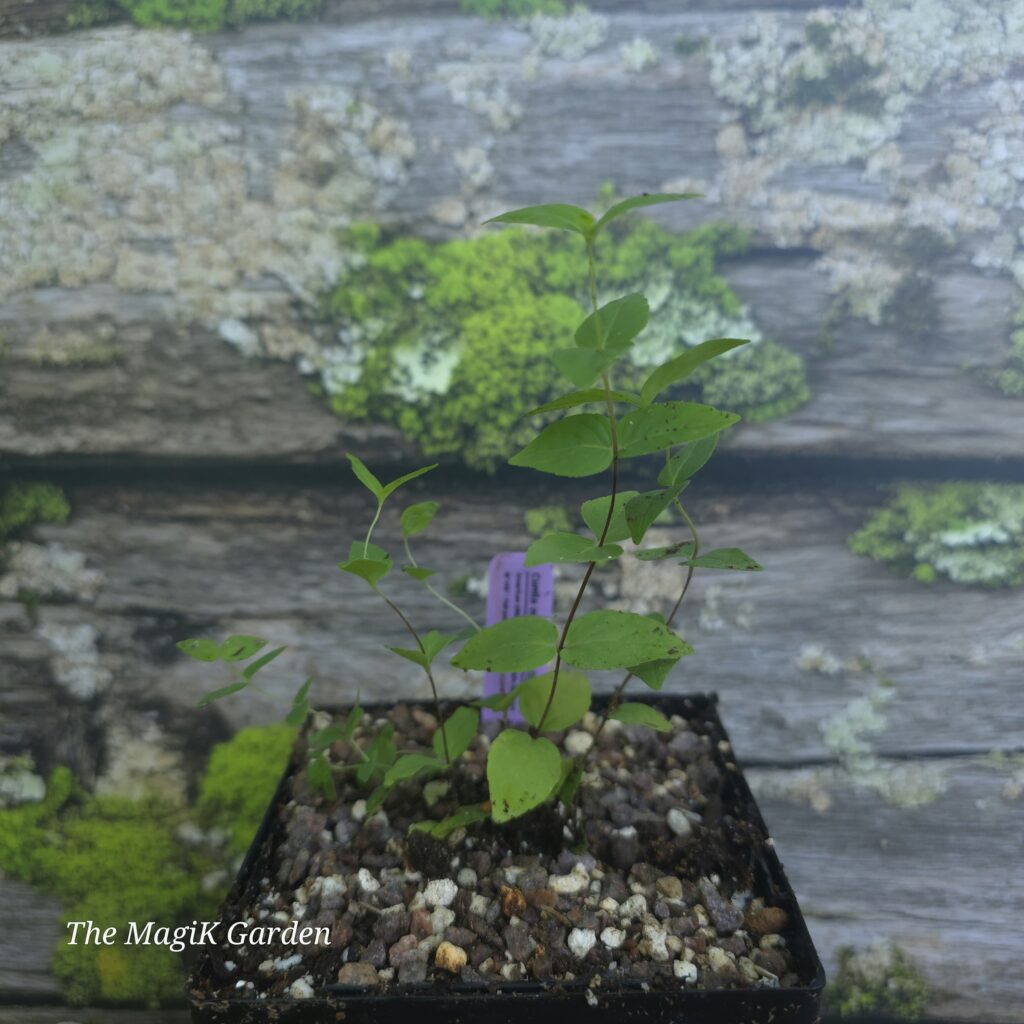
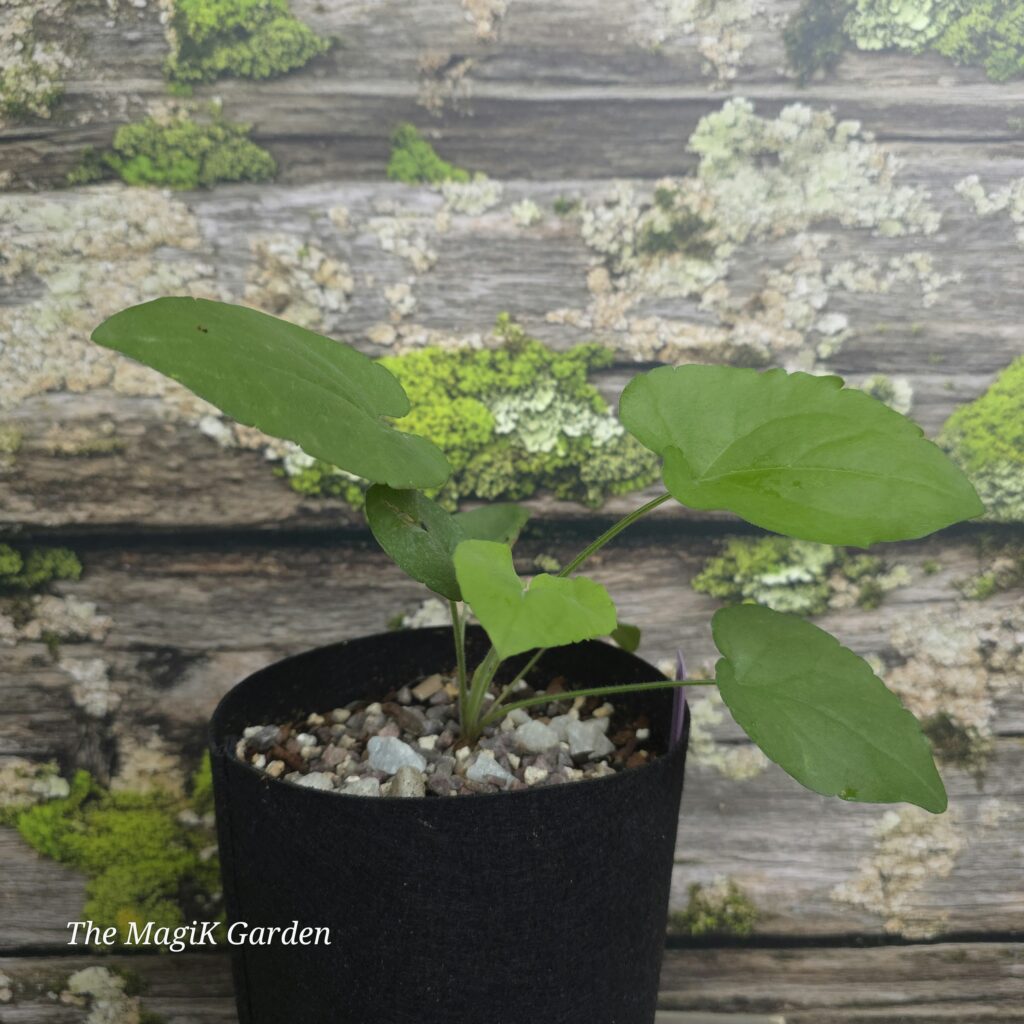
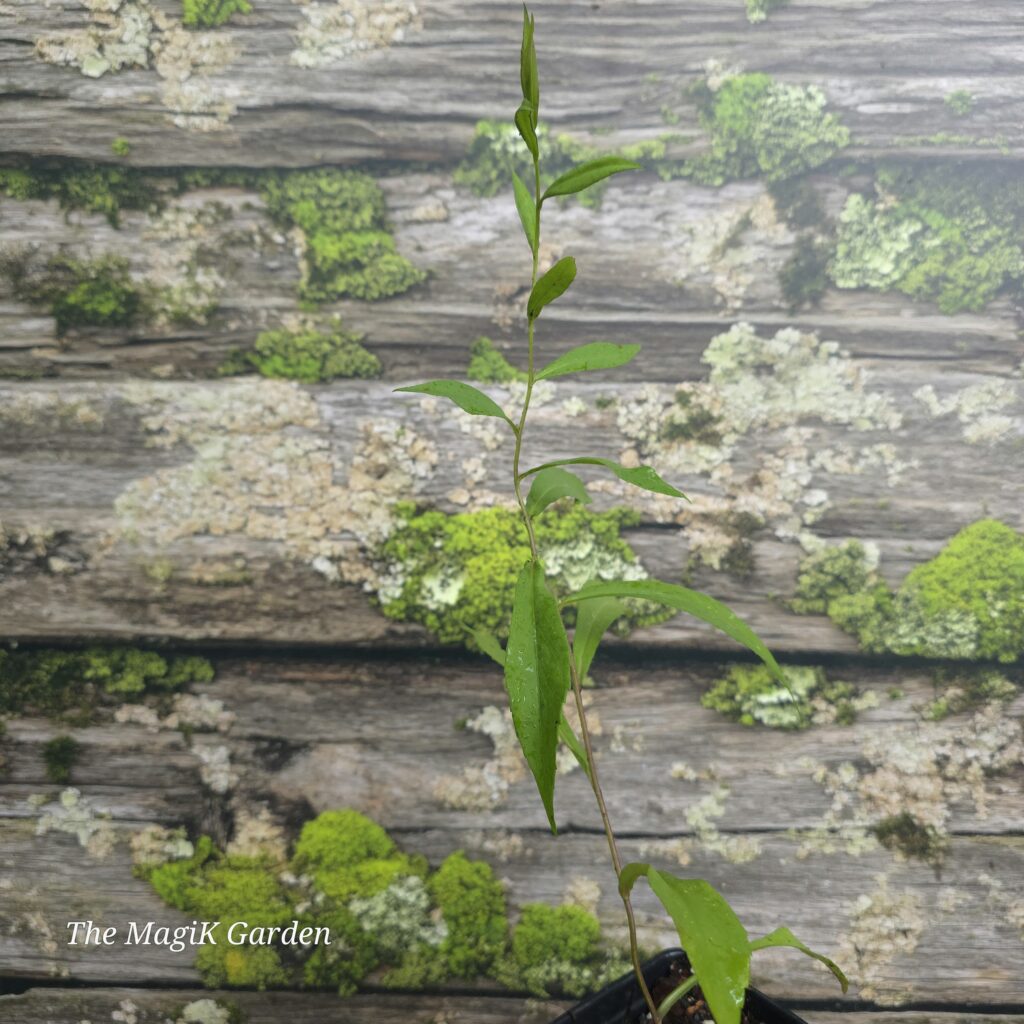
What’s Poppin’ This Week?
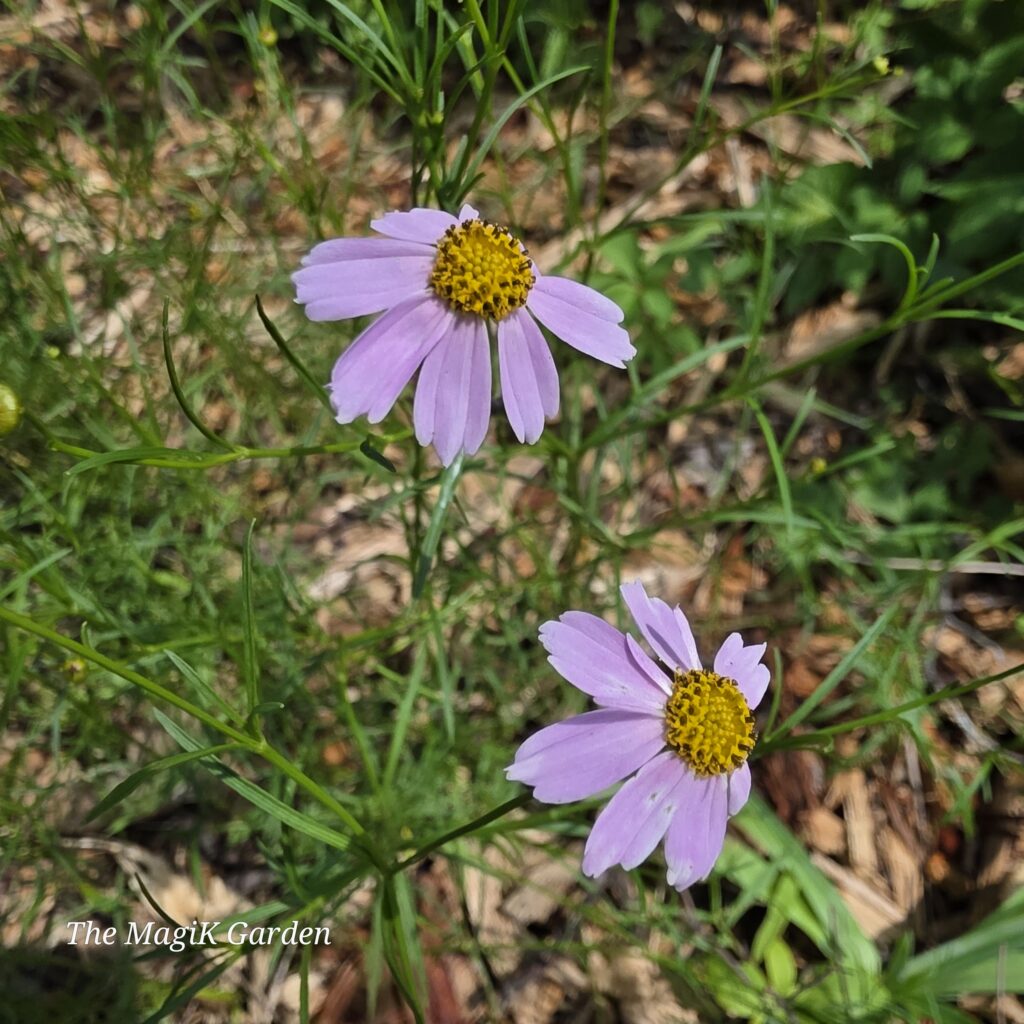
Here are the flowers that just popped open this past week. For the species I offer in the nursery, click through to see the listing.
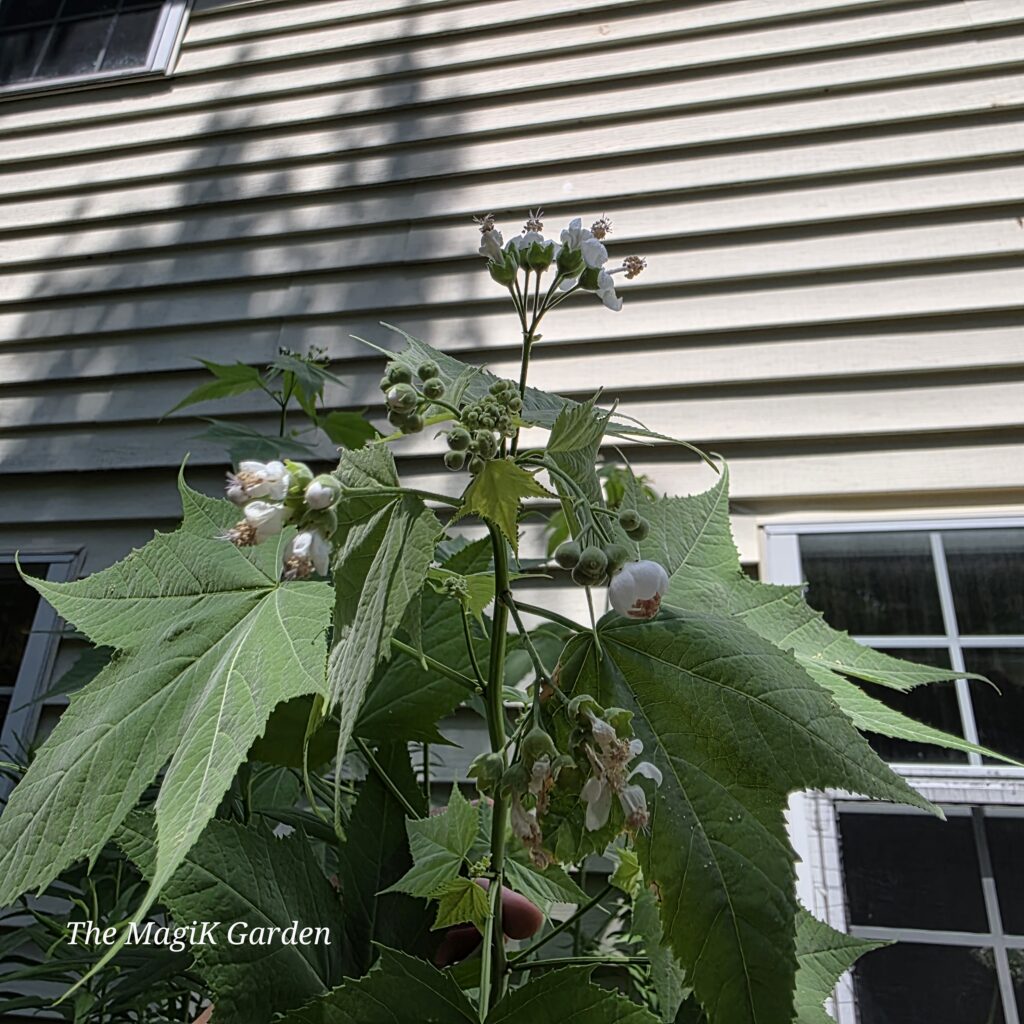
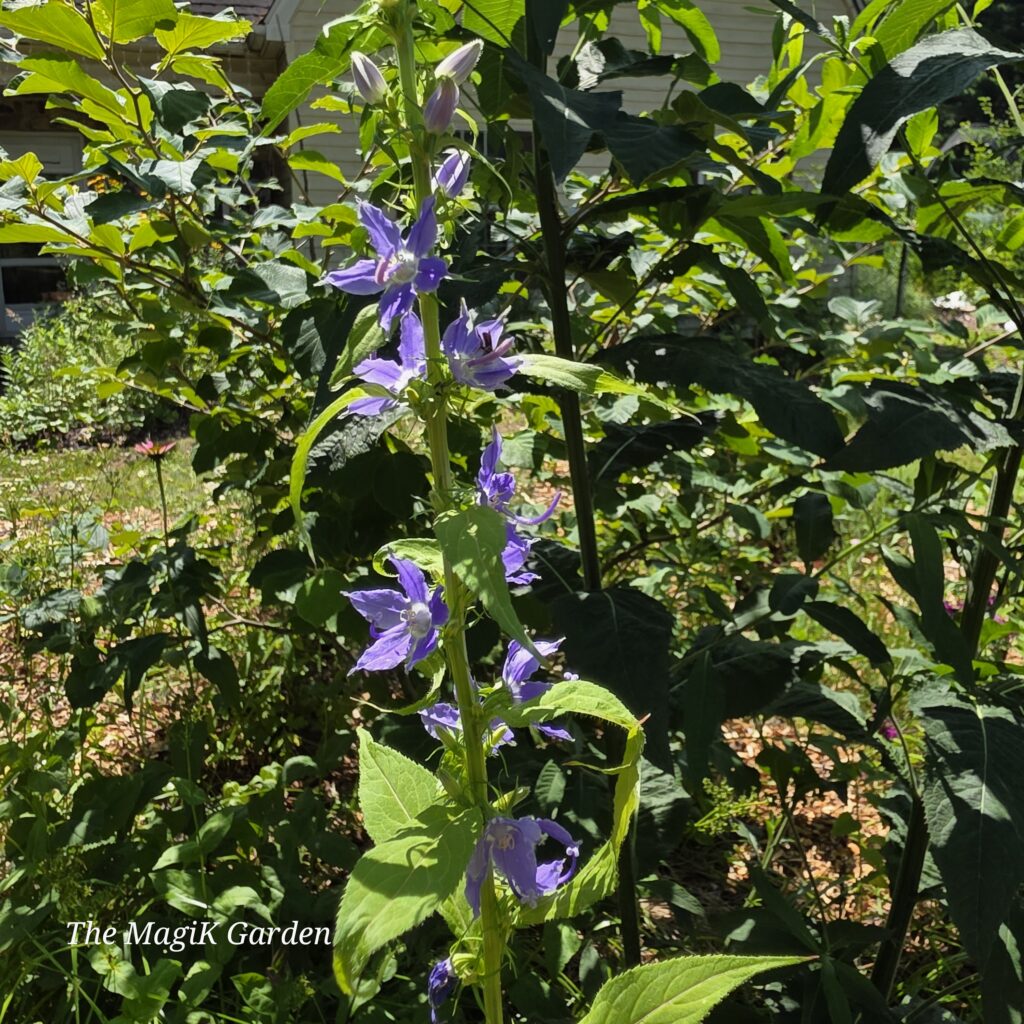
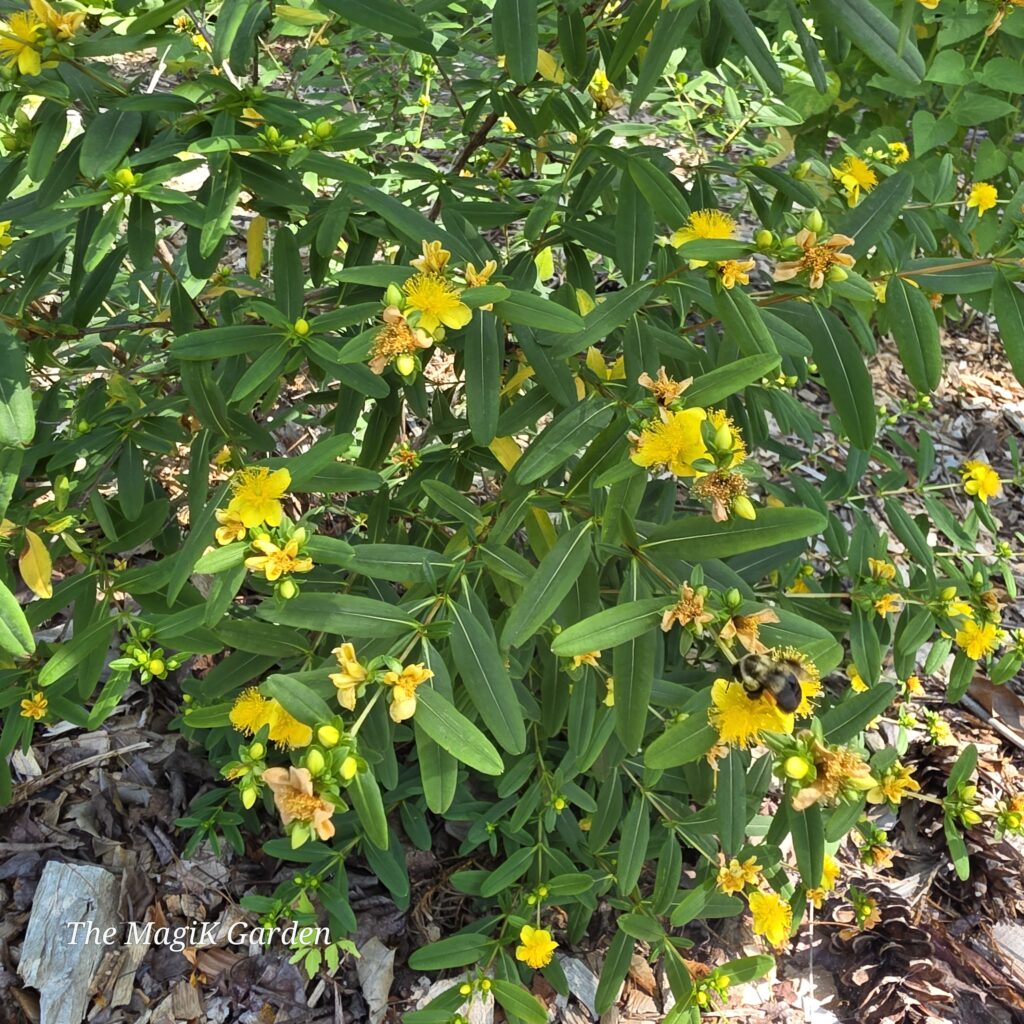
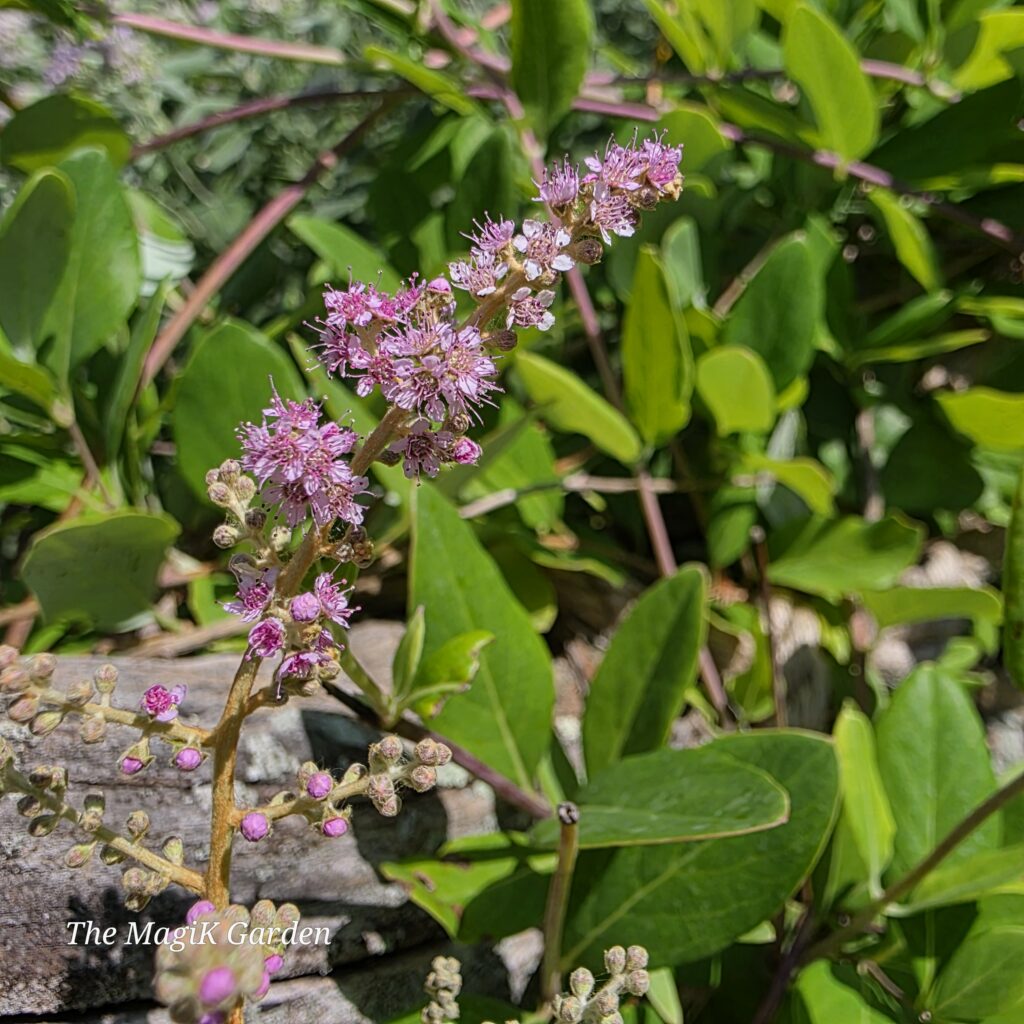
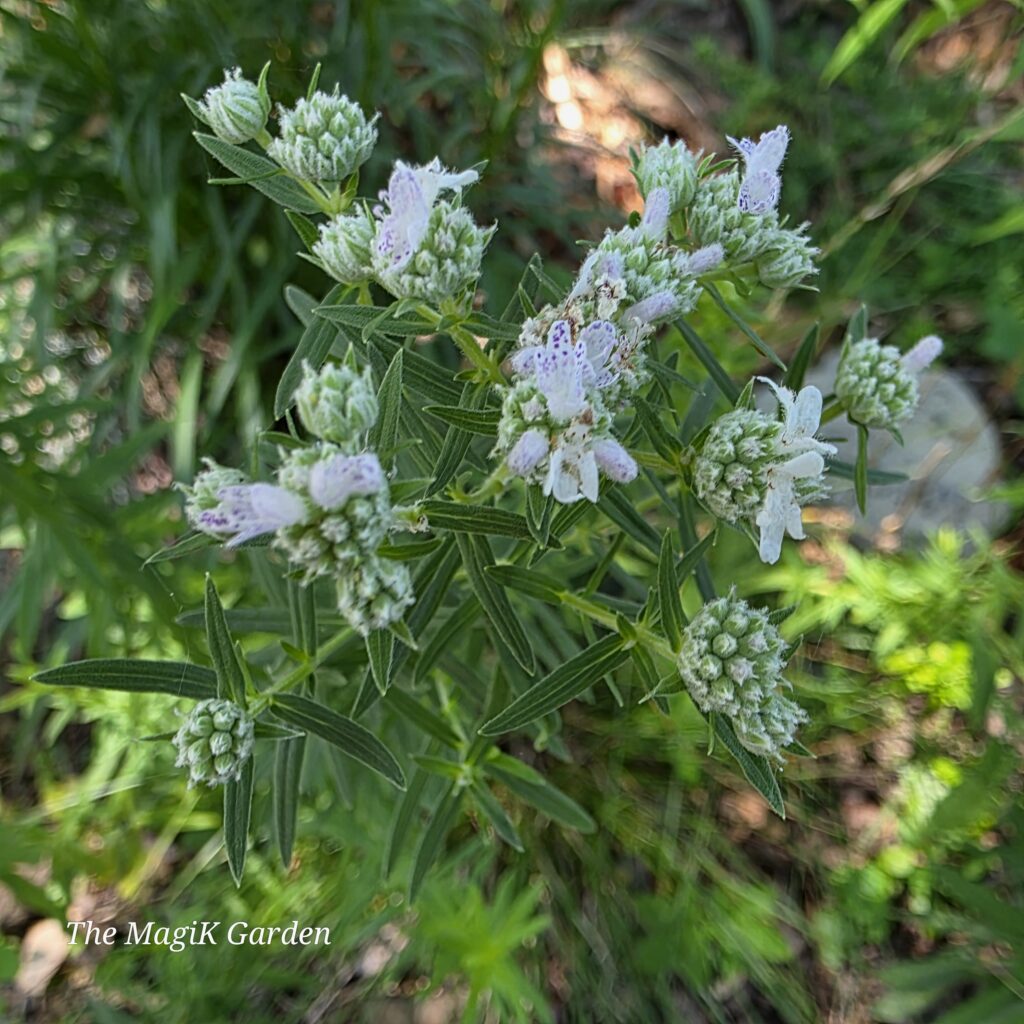
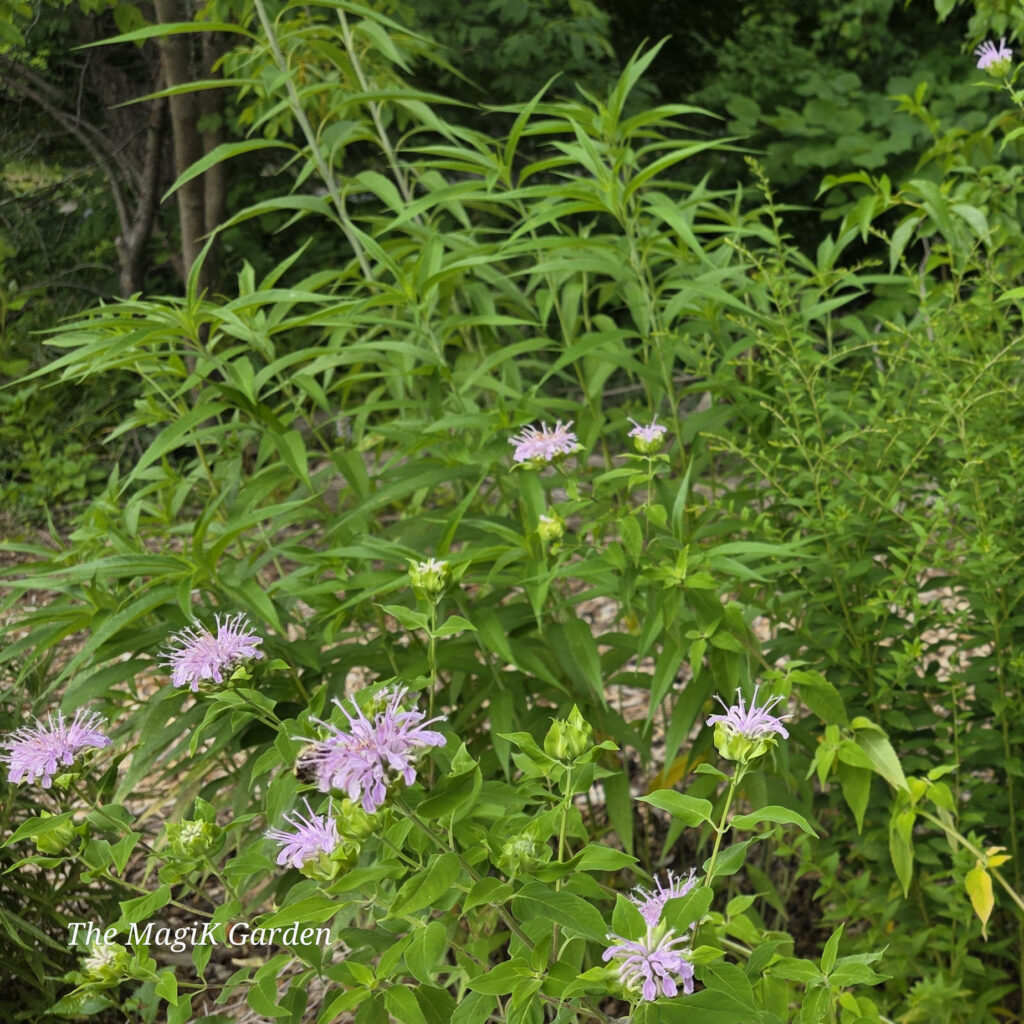
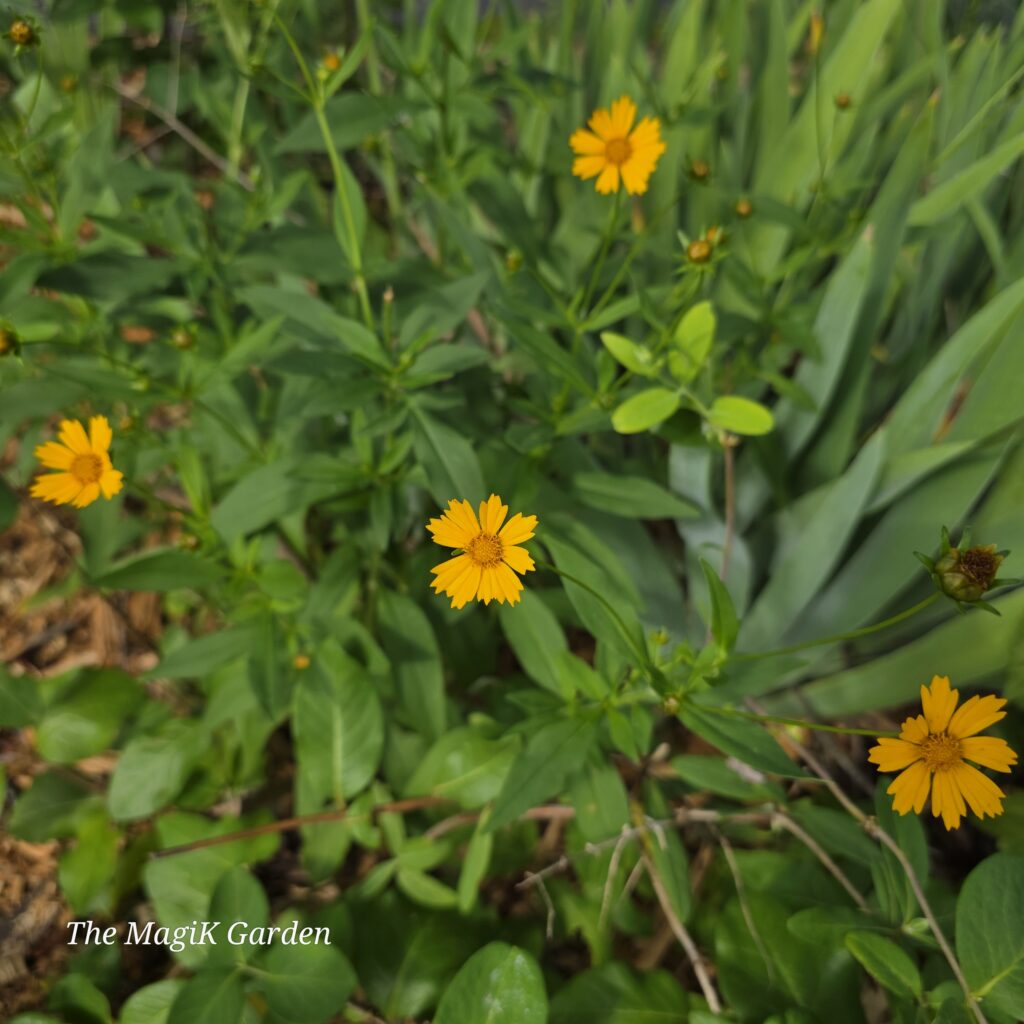
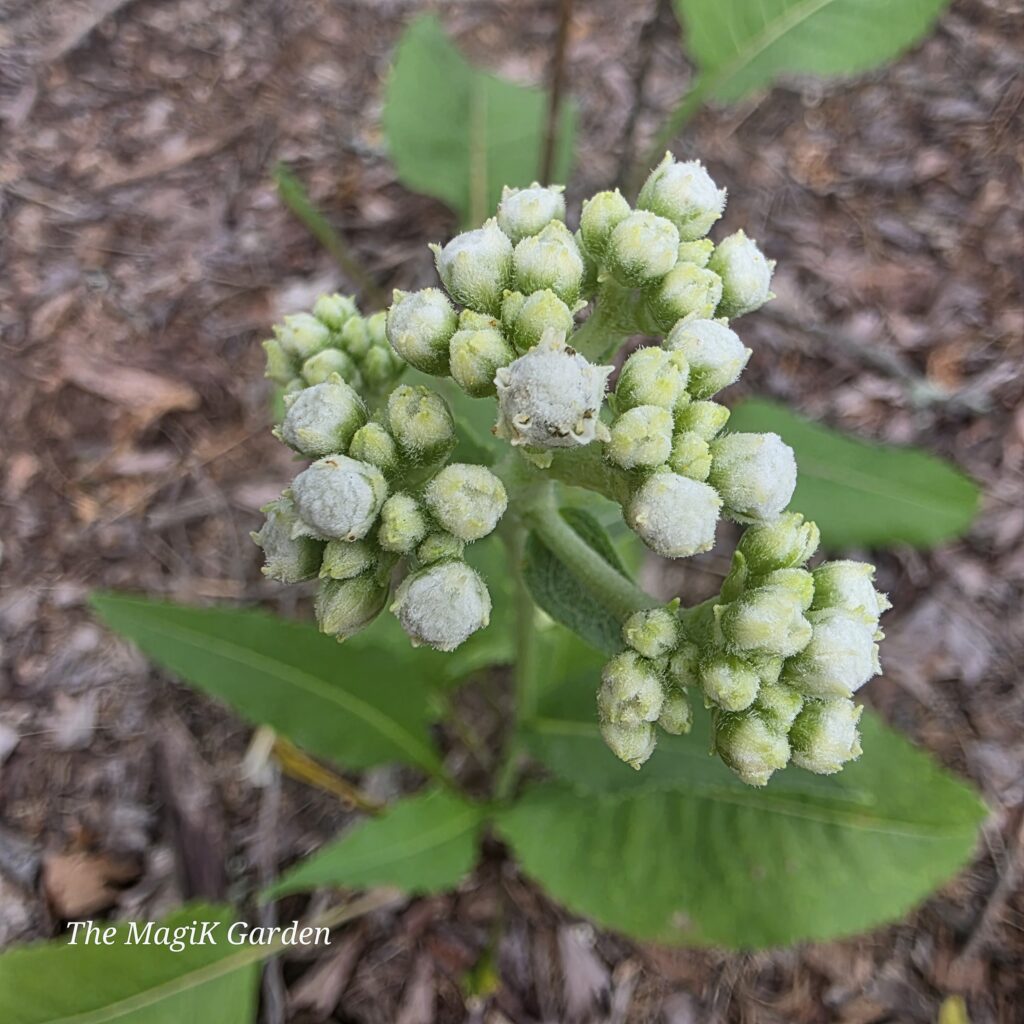
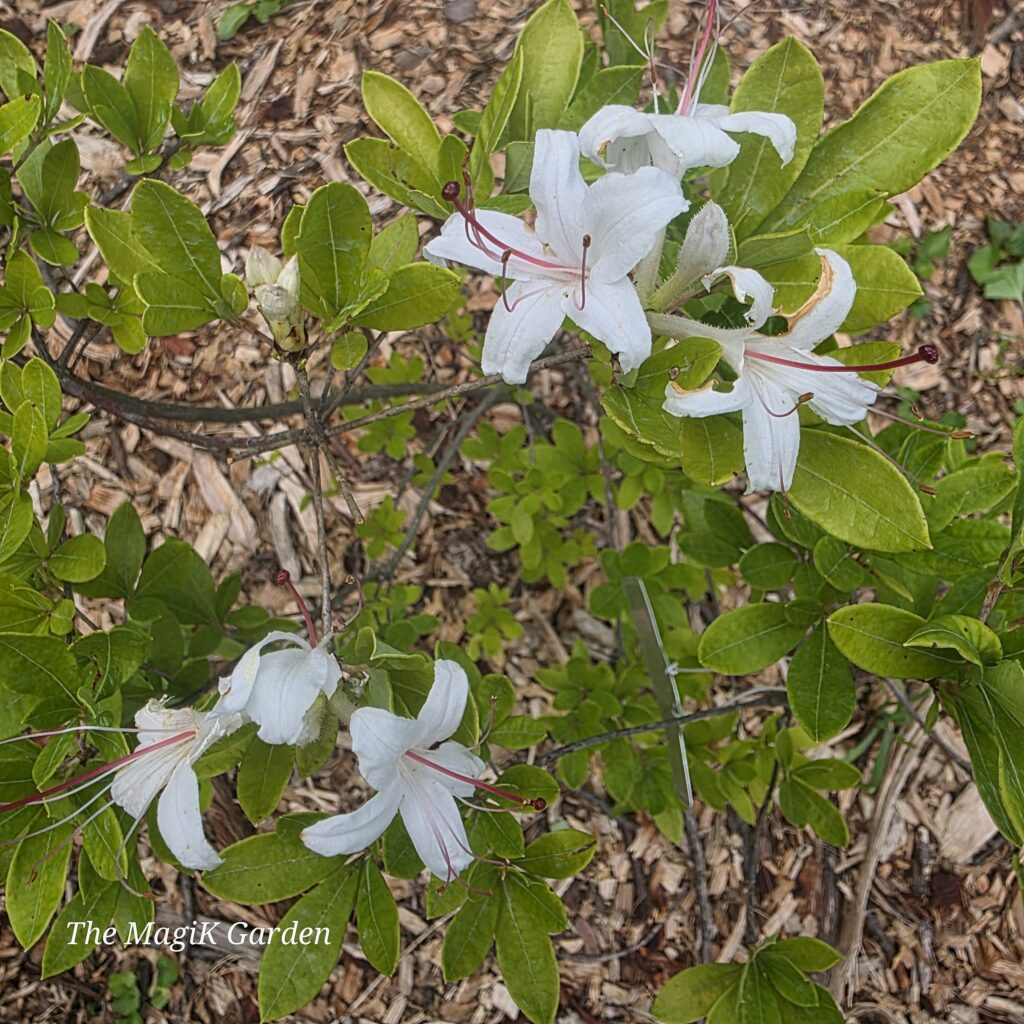
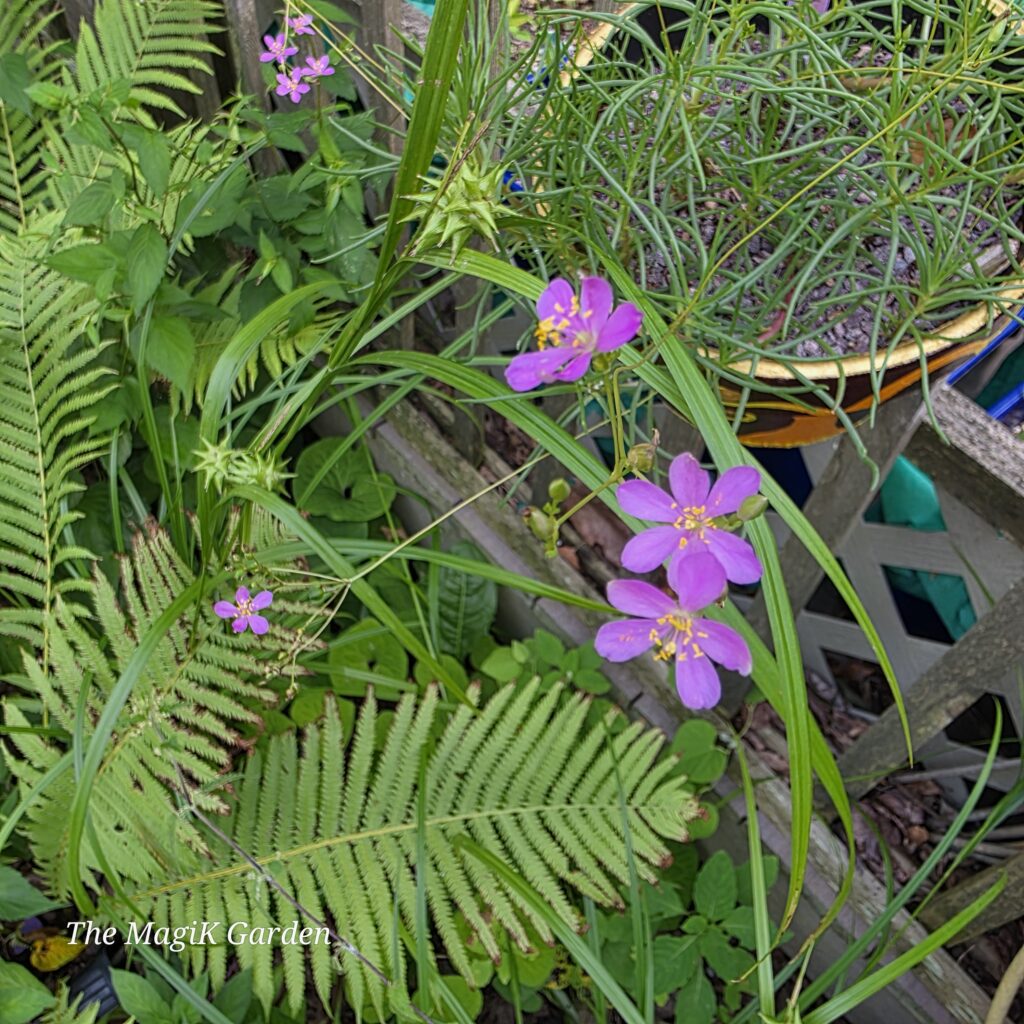
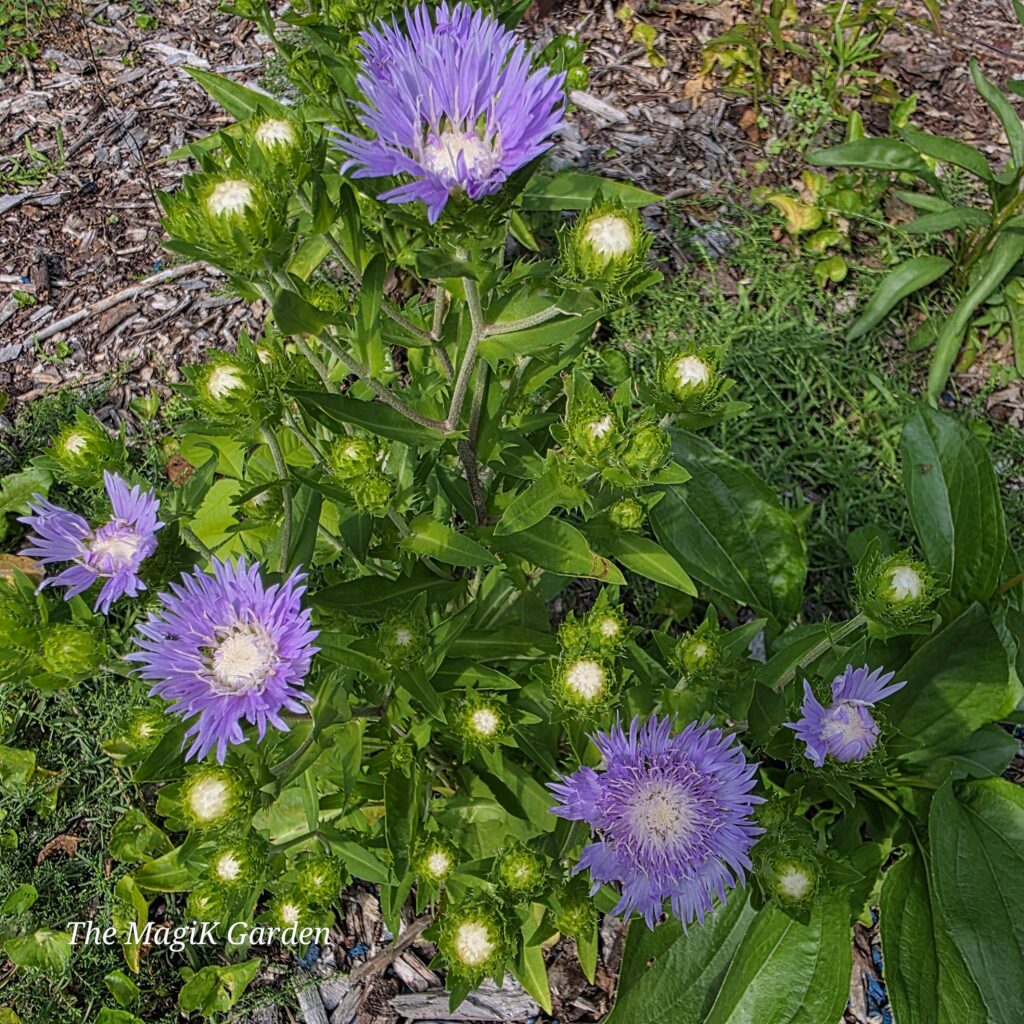
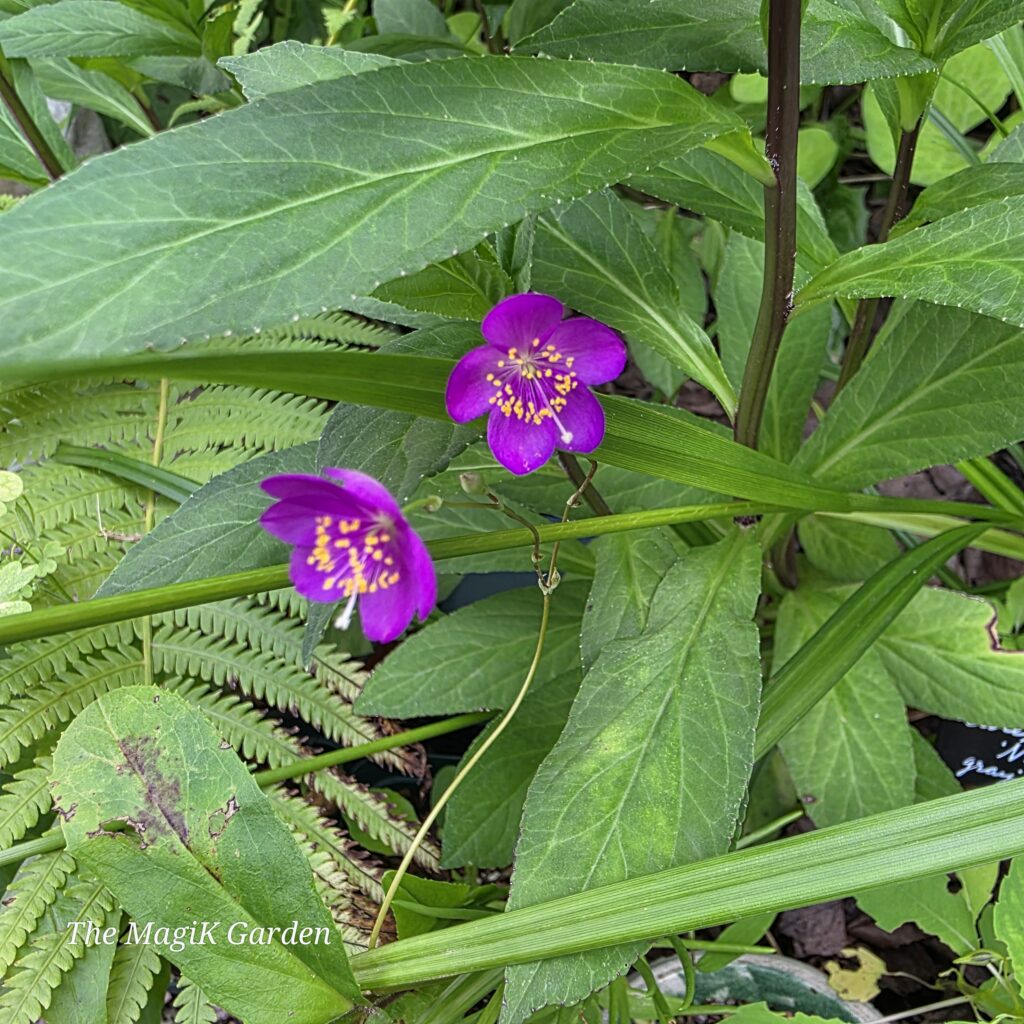
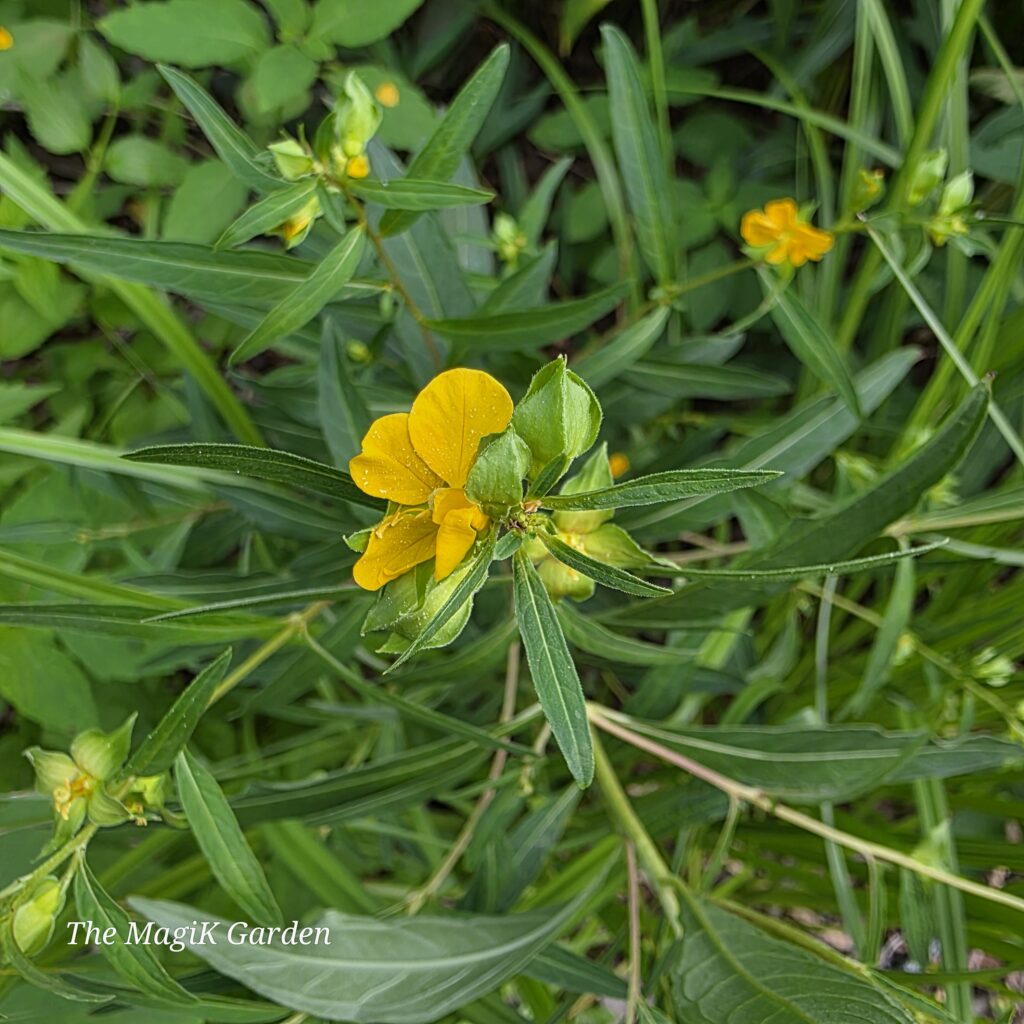
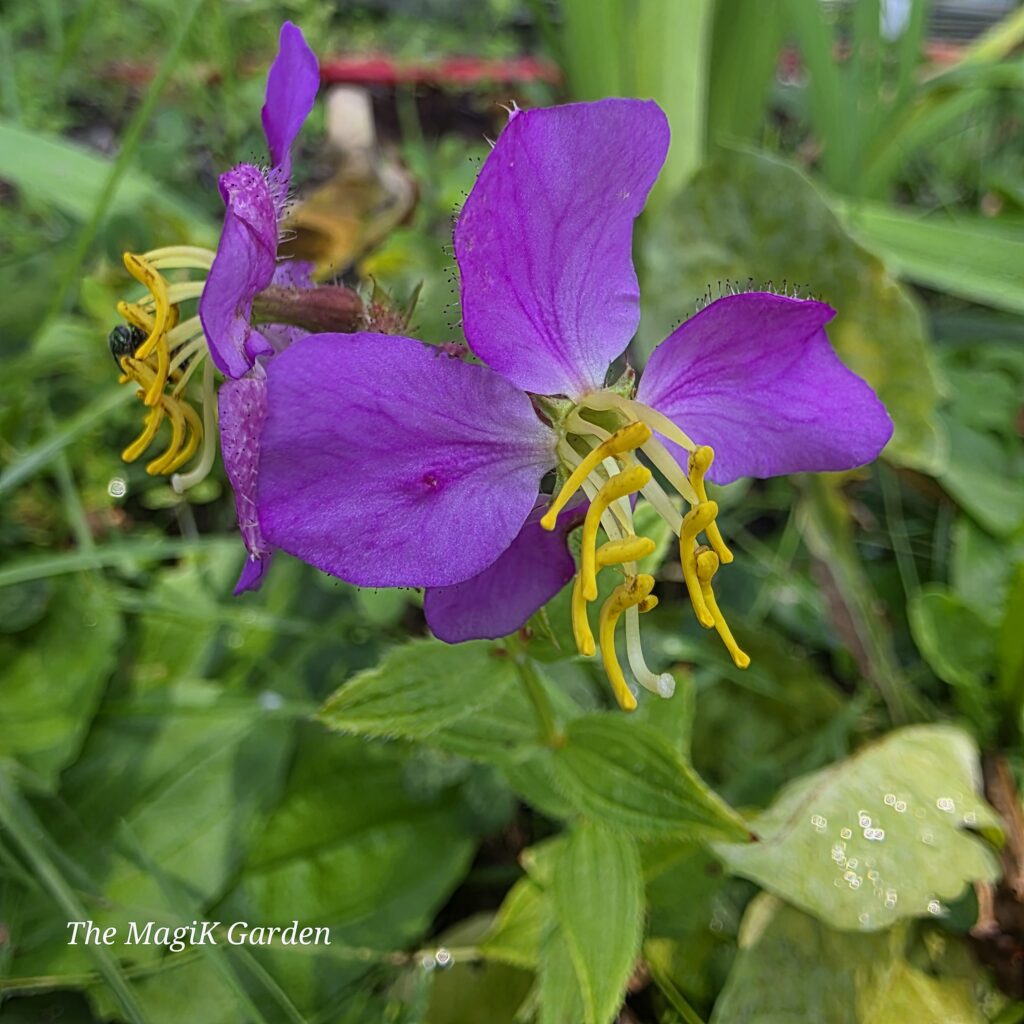
Other Species Still In Bloom:
- Achillea millefolium (common yarrow)
- Campanula rotundifolia (American harebell)
- Erigeron annuus
- Erigeron pulchellus (2nd flush, Robin’s plantain)
- Monarda punctata (spotted beebalm)
- Silene stellata (starry campion)
- Lythrum alatum (winged loosestrife)
- Clematis viorna (leatherflower)
- Pycnanthemum muticum
- Pycnanthemum torreyi
- Oenothera lindheimeri ‘Siskyou Pink’
- Cornus sericea
- Clinopodium vulgare (wild basil)
- Asclepias perennis
- Diervilla lonicera (northern bush honeysuckle)
- Scutellaria lateriflora (mad-dog skullcap)
- Asclepias tuberosa (orange butterfly milkweed)
- Hypericum kalmianum (Kalm’s St. John’s wort)
- Monarda didyma (scarlet beebalm)
- Coreopsis pubescens (star tickseed)
- Anemone virginiana (thimbleweed)
- Asclepias incarnata
- Pycnanthemum incanum
- Pycnanthemum loomisii
- Agastache foeniculum
- Senna marilandica
- Helianthus helianthoides
- Echinacea laevigata
- Veronicastrum virginicum
Note: many of these species are commonly available at most native plant nurseries, which is why I don’t personally grow them. The ones that I do grow have currently for sale are linked in the text or image. A few that I do carry but are out of stock and others, I plan to carry in the future. This is meant to be a list for inspiration based on our local phenology if your garden is in need of some color this time of year.
Thoughts To End The Week: Slow Down
Slowing down is good advice that I often fail to follow because while I know there’s always a risk of burn-out, I don’t want to lose my momentum. Trust me—I am not a supporter of hustle culture, even if there was a time that I followed that line of thinking. That did lead to burn-out at least more than once. I just know that if I slow down too much for too long, getting my momentum back up is very challenging.
I’m also at the age where my body isn’t as quick to bounce back from pushing myself too hard for too long. I’m far from old yet. There’s no such thing as old in my mind, I’m just older than I was. I’ll be old once I reach the age that George Carlin was when he said he was old. Otherwise, parts are still good, but there’s wear & tear. Just like my 2012 Subaru: rattly on highways, squeaks when it breaks (sometimes when just driving around), and a few people have left scars on it, but it’s still reliable and gets the job done.
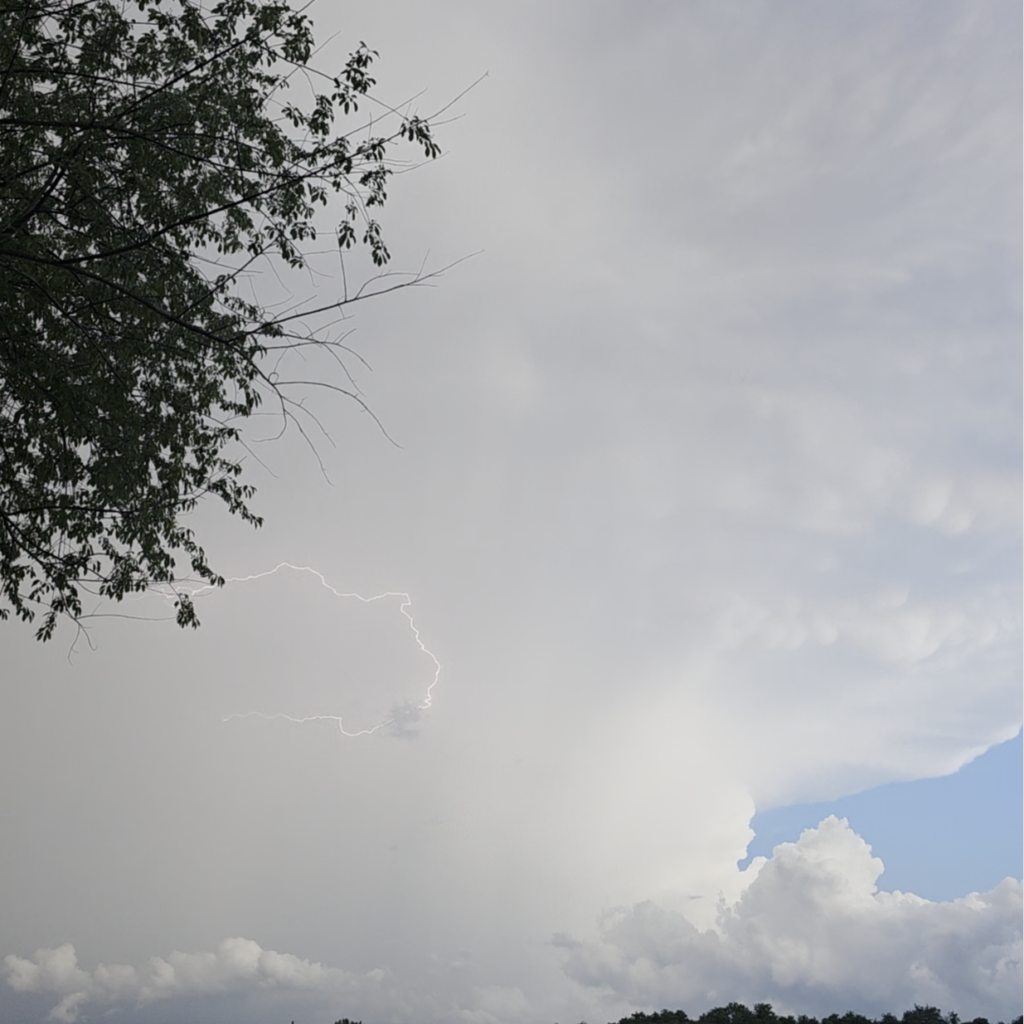
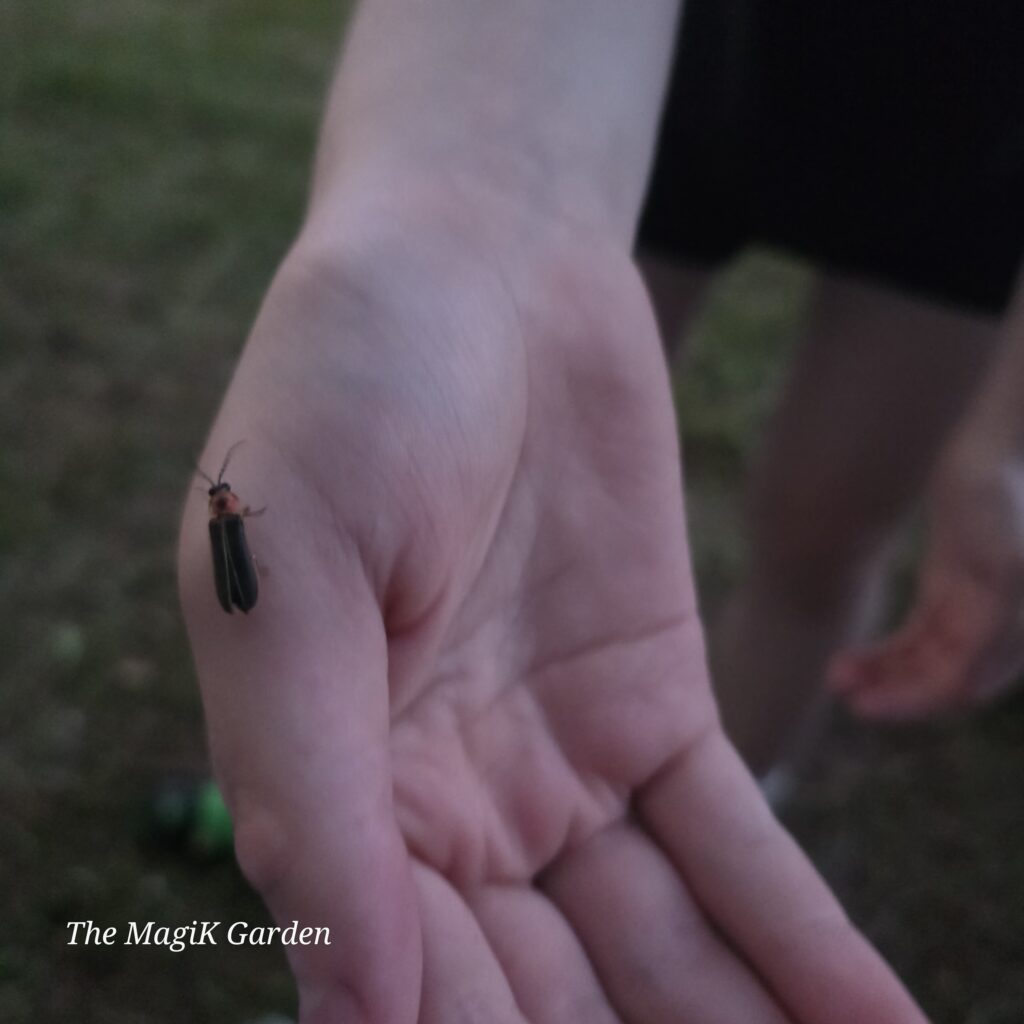
Maybe the best part of the fireworks show on Friday evening for me was the pre-show, as we sat in the middle of a dangerously open field, playing chicken with the storm. It narrowly passed by us in surround-sound. Some thunder came from behind, some from the front, but overhead it was clear. Prior to the start of the show, the fireflies started their own.

PS. I am well aware of the issues with fireworks and wildlife, and most years we don’t attend fireworks shows. The last one we attended was in 2023. We enjoy them in rare moderation while the kids still get excitement out of them, and while also educating them on the issues. The 250th anniversary felt significant enough to attend a fireworks show. I just find that there are far more pressing issues we’re fighting right now, like boycotting the use of AI and protesting the build of hyperscale datacenters (which I hope you are boycotting as well). They’re far more detrimental to wildlife than a week of fireworks. Take it easy, y’all.
Are you looking for a native gardening community, but hate social media?
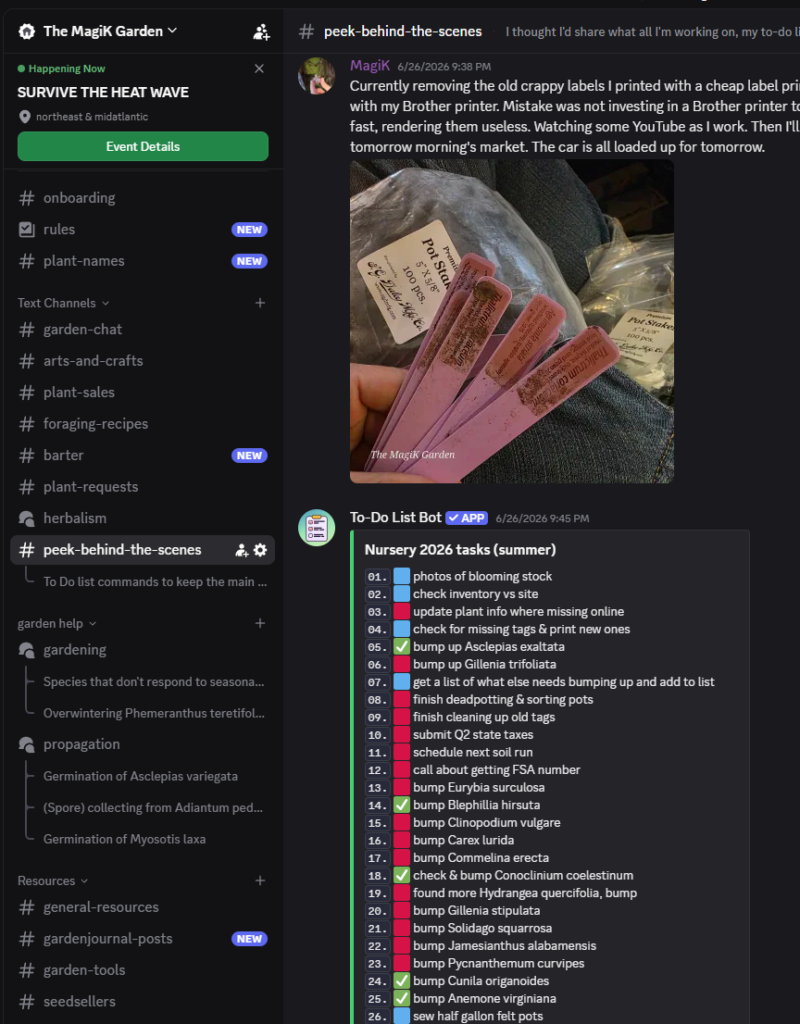
Do you wish there were some way to easily find and access help and resources, away from AI bots, spammy ads, and all the online noise? Have you been trying to connect with other people who are passionate about native gardening, but tired of “yelling into the void?”
Why not try out my newly-launched Discord server? It’s a privately-run (by myself) online space* that serves as both a community chat and an old-fashioned forum.
Best of all, it’s 100% free to join and participate.
New to Discord? Here’s a great guide on how to use it.
*Users are subject to Discord’s TOS when joining.