Showing 73–84 of 94 results
Filter-
Sundial Lupine
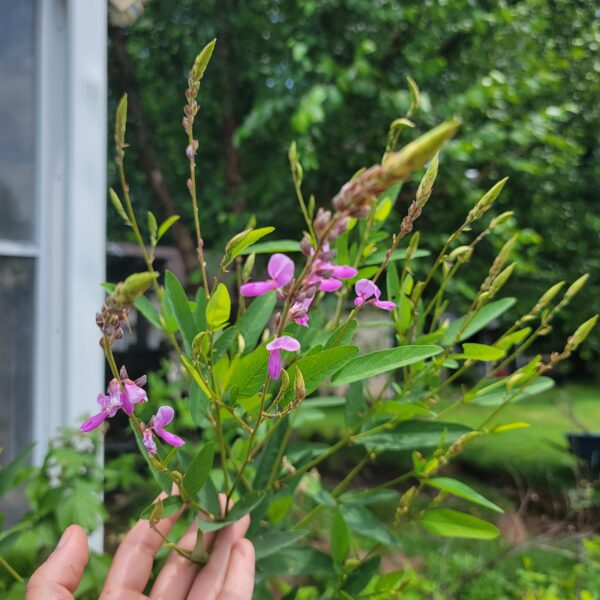
$8.00 Read moreSundial lupines are the only lupines native to the mid-atlantic and northeastern region. These are the host plants for the endangered Karner Blue butterfly.
I love growing plants from seed or spore. This is so much more exciting for me than clonal propagation (meaning division, stem cuttings, root cuttings, etc.). The former involves playing part in nurturing a brand new life, one that did not previously exist on this planet. Each offspring is genetically unique. Just like people, there is no person that has come before or will come after that is exactly like you with your genetic make-up. Clonal propagation is just making more of the same thing. I will also do clonal propagation if that is the only option (i.e. no viable seed available), but seed and spore hold the future in store.
Seed grown plants will often be more expensive than clonal, because there is so much more involved in growing them, and so much more that can go wrong. It takes time to harvest and clean seed, sow it, grow it out, care for the plant until it reaches a size that can be planted in the garden. Clonal propagation is much faster, and many nurseries utilize this to meet demand and keep the prices lower. The latter, however, does nothing to add more genetic diversity to the ecosystem.

Orders no longer require an account to be processed. You still have the option to register for a free account to utilize the wishlist and keep track of your orders.
The option to select an appointment date/location has been removed. Instead, all orders must be manually approved prior to processing. Once you place your order, keep an eye out for an email to coordinate pick-up.
Nonprofits can contact me through the contact form. The website automatically collects PA sales tax on orders.
Orders to be shipped: You no longer need to contact me for a quote with a list. Fill your cart with your choice of items and request a shipping quote. You will be notified via email once your shipping quote is ready so you can complete your order. The payment will be processed once your order is ready to ship.
Analeptura Andrena Anoplodera border planting budworm butterfly garden Centrinites Ceratina Chrysogaster container cottage garden crafting cut flower deciduous deer forb deer tolerant Doros drought easy to grow edible Eristalis Euderces evergreen fall bloom fall color food forest foot traffic forage full sun green mulch ground cover Halictid bees Halictus heat heavy clay hellstrip herb/spice herbivore tolerant humidity hummingbirds Hylaeus juglone tolerant keystone species Lasioglossum lawn alternative light shade light shade to shade Little Carpenter bees living mulch margins Mason bees medicinal Mining bees Mordella naturalize nectar source nitrogen fixing part sun part sun to light shade part sun to shade paths perennial pet safe pollen source pollen specialist ponding poor soil rock garden sacred salt tolerant semi-evergreen sensory Sericomyia shade showy small gardens Somula songbirds Southern pink moth species of concern Sphecomyia spring bloom spring ephemeral succulent summer bloom sun to light shade sun to part sun sun to shade Syrphid flies Systoechus Temnostoma Toxomerus Tropidia urban conditions Volucella walkways winter interest woodland woodland garden woodland meadow
Showing 73–84 of 94 results
FilterSundial lupines are the only lupines native to the mid-atlantic and northeastern region. These are the host plants for the endangered Karner Blue butterfly.
Notifications