

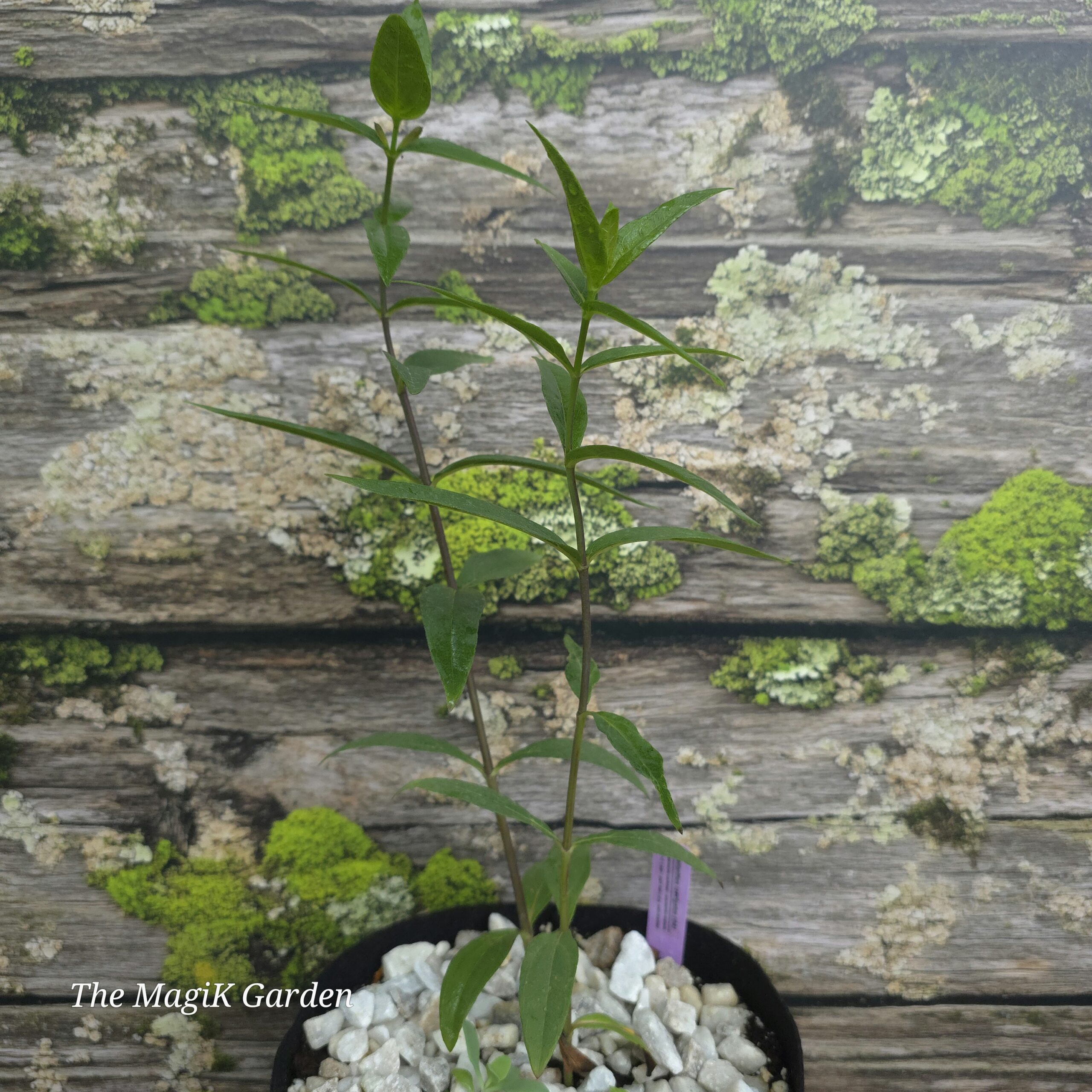
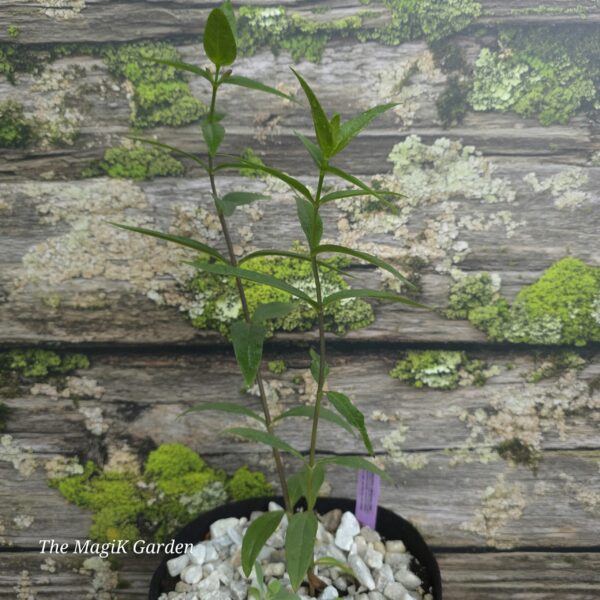
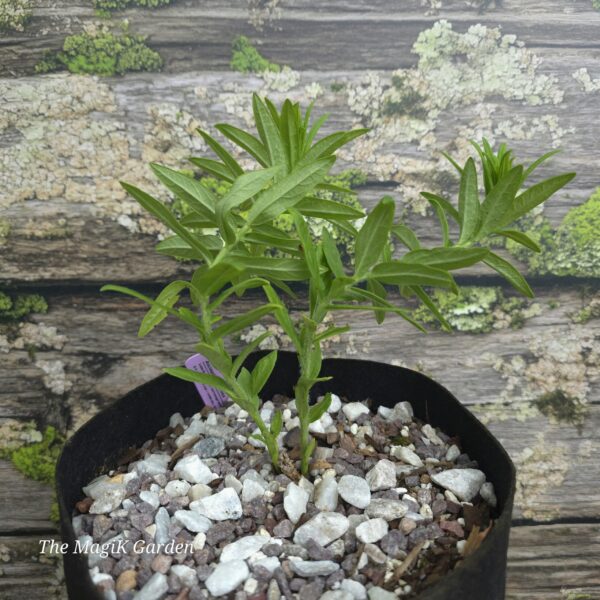
Some sunflowers are fairly common and widespread, while others are less-so. This perennial sunflower is not native to southeastern PA. More specifically, its limited range is endemic to the southern portion of the Appalachian mountains. Although I generally try to limit my offerings to either eastern PA or northern piedmont natives, if there is a species I think would do well in our soils, I include it here. This one is reported to do well in shale-derived soils. Shale soils are a common “complaint” among gardeners in this region. If you struggle to find species that do well in your soil, you can try adding this one.
Find smooth sunflower in the wild
As mentioned earlier, the native range for this species is southern Appalachian mountains, from Georgia to Maryland, in particular the mid-Appalachian shale barrens. For this reason, another common name for this species is the shale-barren sunflower. There are plenty of shale/slate barrens to be found in eastern Pennsylvania. In fact, one of my favorite spots is a great place to look for fossils.
On dry, rocky or shaly soils, on roadbanks, powerline rights-of-way, open woodlands, in the Carolinas nearly limited to the Carolina Slate Belt. (Source)
Grow the smooth sunflower in your garden
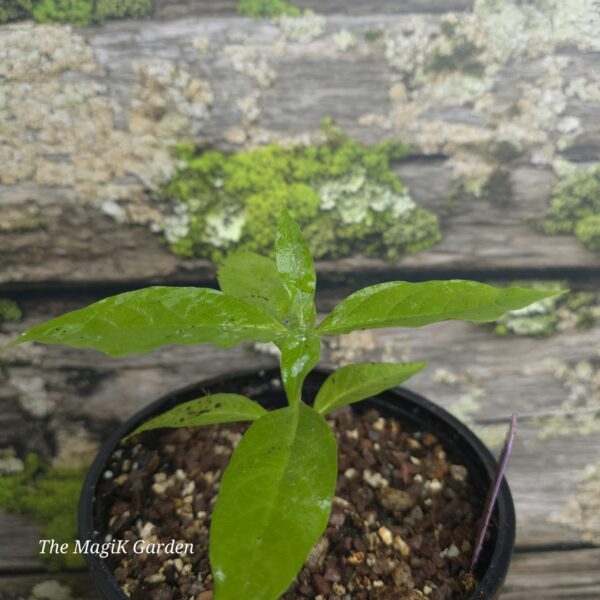
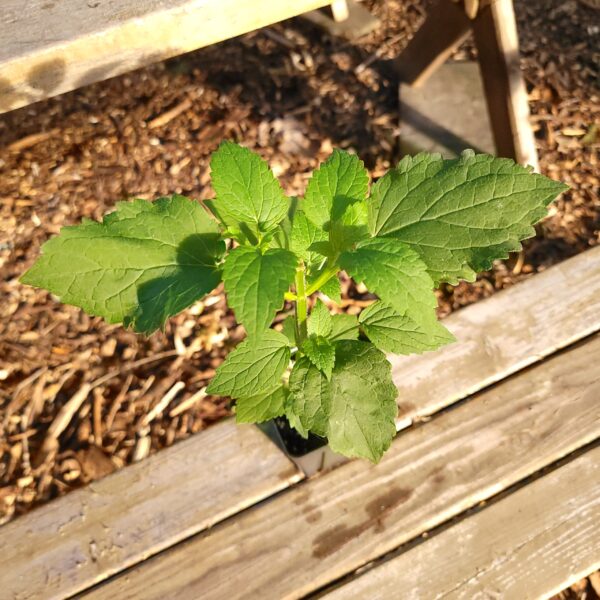
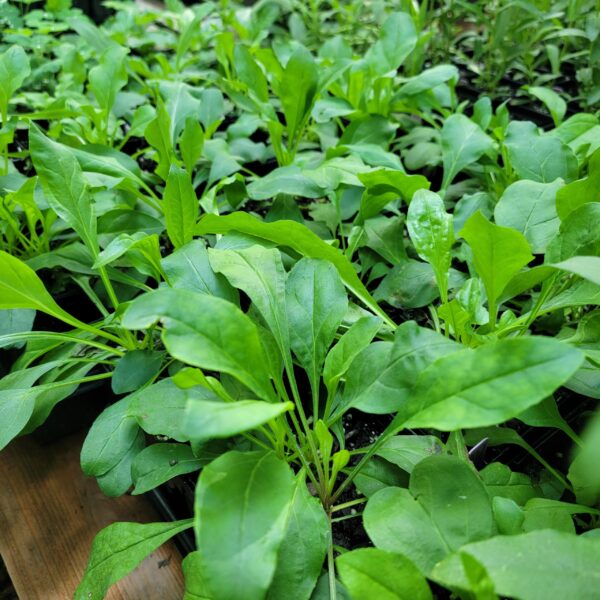
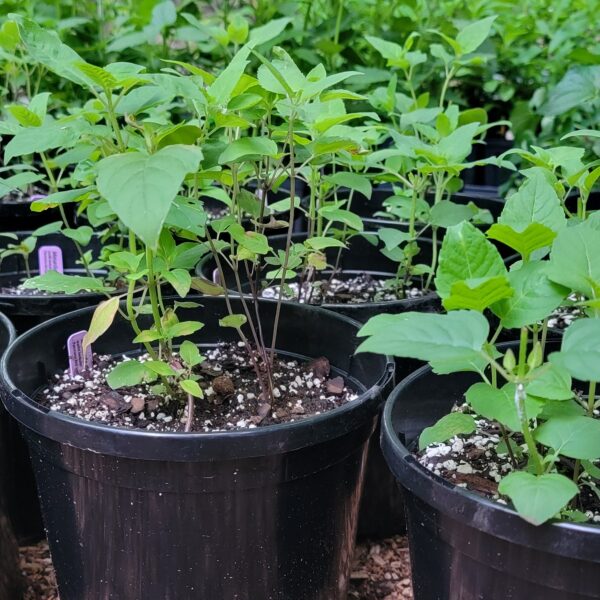
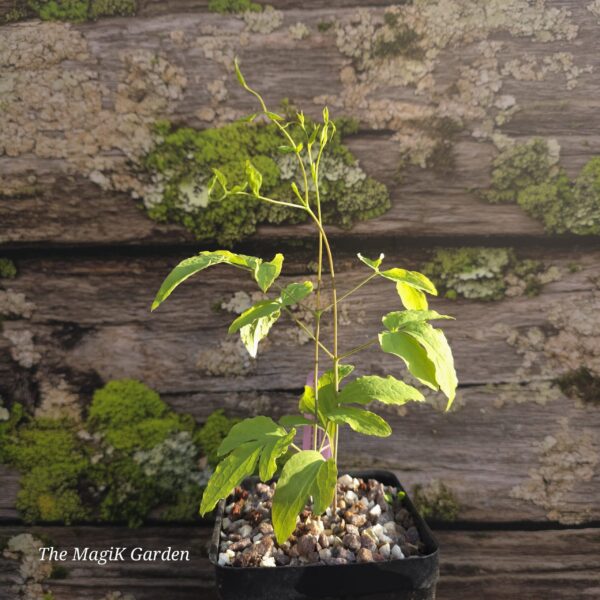
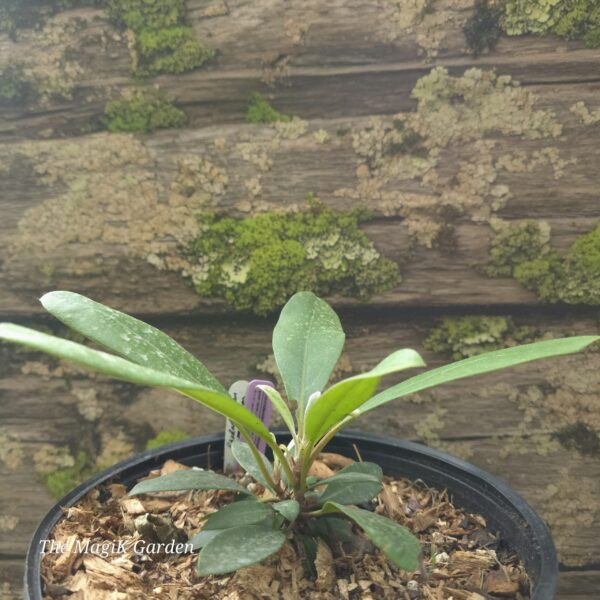
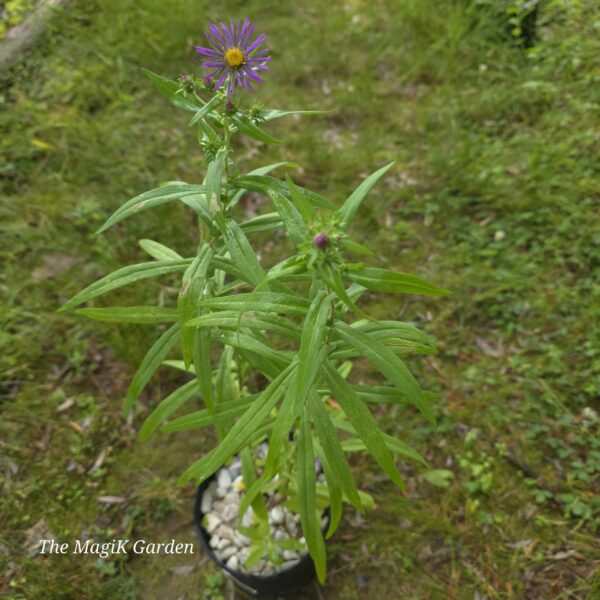
Although it is endemic to shale barrens, I find that it is growing quite well in the same potting mix I use for most of my nursery plants, in part sun in the woodland clearing. So it would seem that this species is quite adaptable. Generally speaking, most plants do well in better conditions, but not all plants tolerate poor conditions. Because this one seems to be uncommon in the nursery trade, not much information is available online about growing this.
What little I do know, is these do get pretty tall, around 7 feet, but they aren’t overwhelming like some helianthus species. From a distance, they end up looking a bit more like floating sunflower heads on thin stalks. The leaves are also somewhat reminiscent of another group of asters, the goldenrods. I think it would be fairly easy to confuse the two without seeing the blooms.
I’m testing a few spots to see how they do. If you want to give it a shot and see how it does in your garden, they’re available for now while supplies last. It’s hard enough building interest for the less common species, let alone ones that aren’t native in our area. To save myself time and space, I won’t be offering this one again in the future unless there is interest in growing it, or I find it to be an exceptionally adaptable species for difficult sites. For this reason I’ve created a new category for MagiK Picks – Experimental Garden. These are the species I don’t know that well, aren’t common in the nursery trade, and available on a limited basis. You’re winging it just like me, trial by fire. The only way to know it is to grow it.



Reviews
There are no reviews yet.