



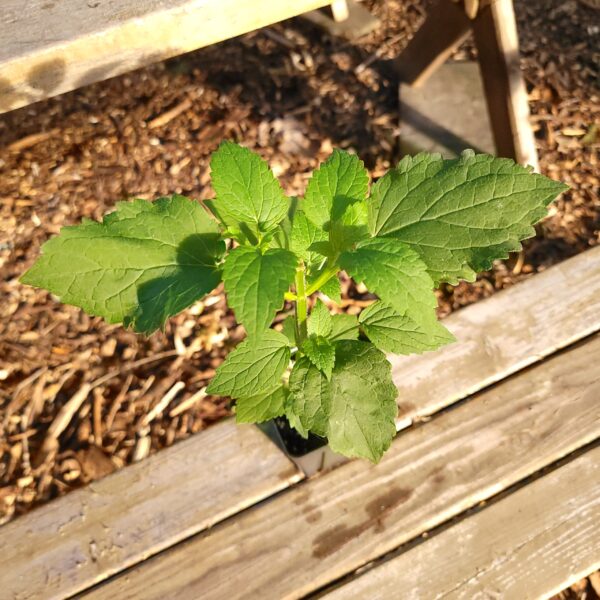
Both Agastache scrophulariifolia and Agastache nepetoides are in the same genus as the popular near-native anise hyssop. It is somewhat fragrant, but not as strongly scented as Agastache foeniculum. What that means is, you may wish to keep an eye on this one. In some areas, deer have been reported to consume this one. Your mileage (and level of deer pressure) may vary. I have two varieties available: the standard purple flowering kind and A. scrophulariifolia f. alba, which has white flowers. Add one or the other or both. The white isn’t a cultivar, but a naturally occurring variation in the wild. They are normally just some shade of pink-purple.
Find it in the wild
This species is native and present throughout southeastern PA and nearby counties.
Like many members of the mint family,
purple giant hyssop grows best in moist soil or wet
conditions. It is found in rich woodland sites with
dappled shade, woodland borders, meadows, thickets,
the upper limits of floodplains, and upland woods. It
prefers recently disturbed, sandier soils where
competition is limited. Plants will not persist under
hot and dry conditions (USDA zone 9 or higher).
Threats to its habitat include changes in land use,
competition from non-native species, and natural
succession. (Source: USDA)
Plant it in your garden
This species can grow fairly tall, topping out at 6-7ft. This makes it ideal for filling in as a background layer or towards the center of a planted island. It is unlikely to outcompete other plants in the bed. This is a non-aggressive mint species that struggles to hold its own against more aggressive species. If you have a partially wooded lot, this works well in the margins to transition from the yard to a wooded area. This can also be grown in open clearings on a fully wooded lot – anywhere that gets a bit of sun during some part of the day. Protect it from harsh afternoon sun, amend your soil with organic matter, and use some form of mulch to prevent the soil from drying out.






Reviews
There are no reviews yet.