

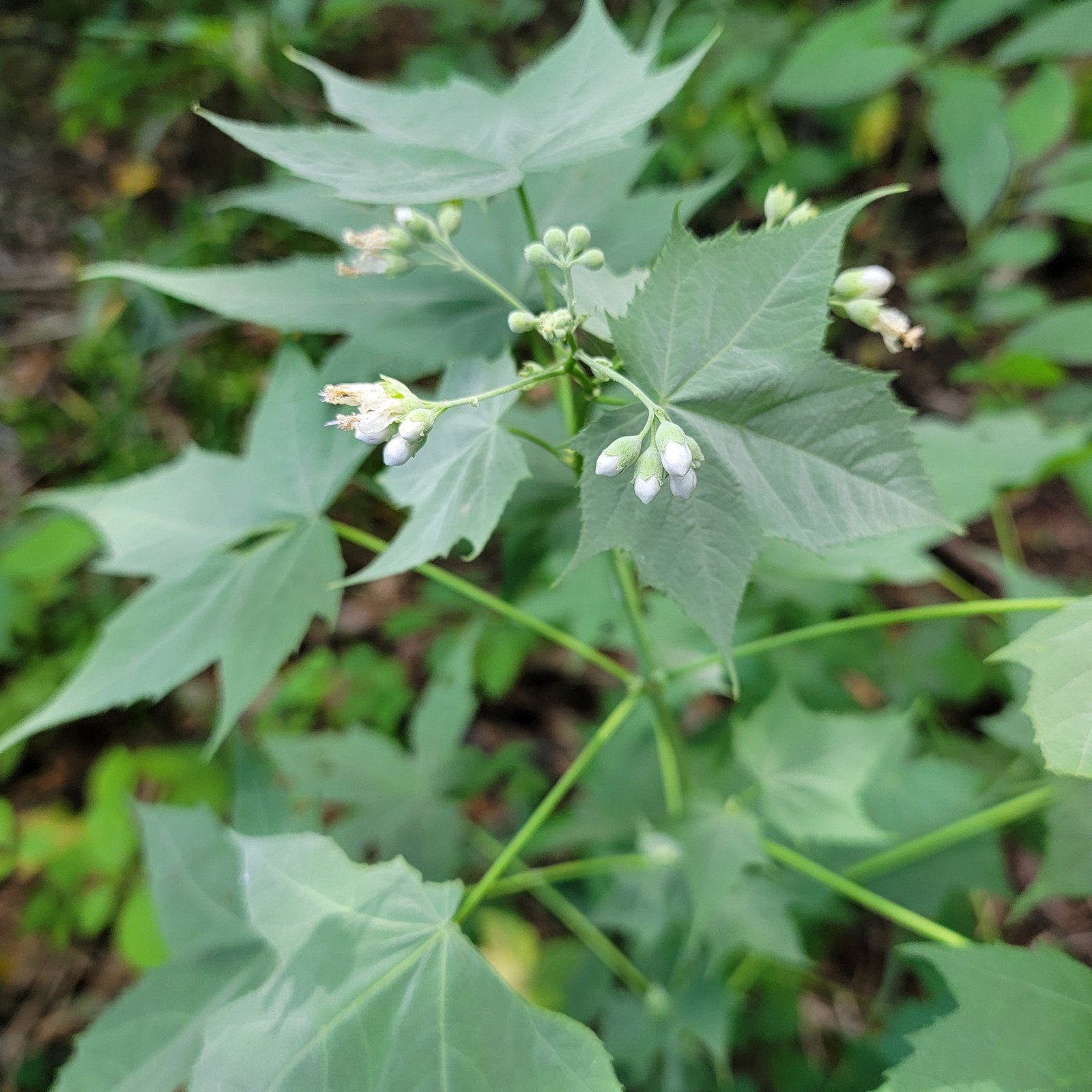

This is a species that I plan to carry in 2027, but since I collected far more seed than I needed, I’m offering it to you so you can try growing it yourself. Sida hermaphrodita (syn. Ripariosida hermaphrodita) is endemic to the mid-Atlantic region and westward towards the Great Lakes, and globally rare due to a number of factors, including habitat loss & habitat degradation. It is cultivated far more in Europe, in particular in Poland, as a renewable source of biomass for the biofuel industry. This post suggests low germination rates; however another source (August 2026 in Northeast Native Plants group) said that they had zero problems with germination, and another mentioned scarifying and soaking the seed (which is what I’m doing).
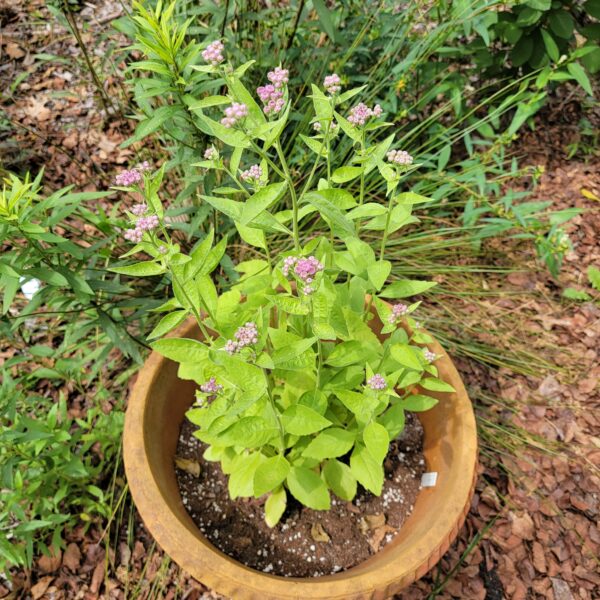
This species really does grow up to 12 feet tall in ideal conditions. I have mine growing along the eastern wall of my home, which gets at most 4 hours of morning sunlight per day (often less in summer), with afternoon shade. The soil here is heavy clay with a good bit of accumulated organic matter thanks to years of leaf buildup/decomposition and remains perpetually moist. They are perennial, and it will take around 3 years for you to get maximum height on this species without any added fertilizer. The first year they remained around 1-2 feet tall. The second year they reached around 5-6 feet tall. Year 3 is when I saw them reach 12 feet. They may have a tendency to lean a little, but their stems are far thicker and more rigid than many other species that reach that height that tend to flop over (like giant goldenrod, which was growing here and I’m currently replacing with the Sida).
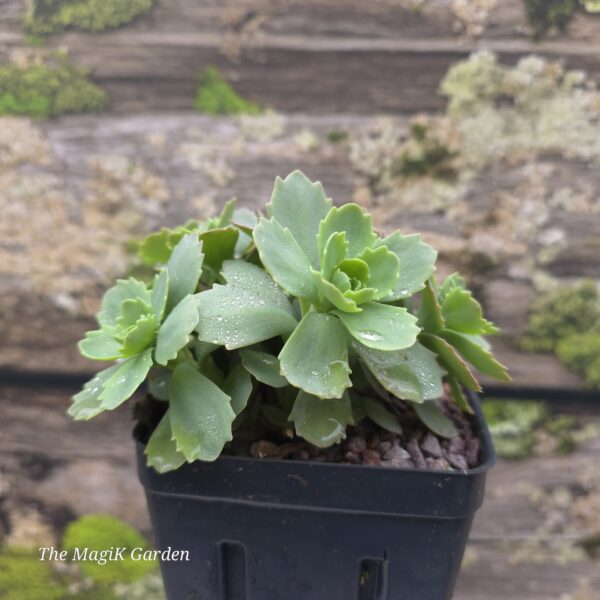
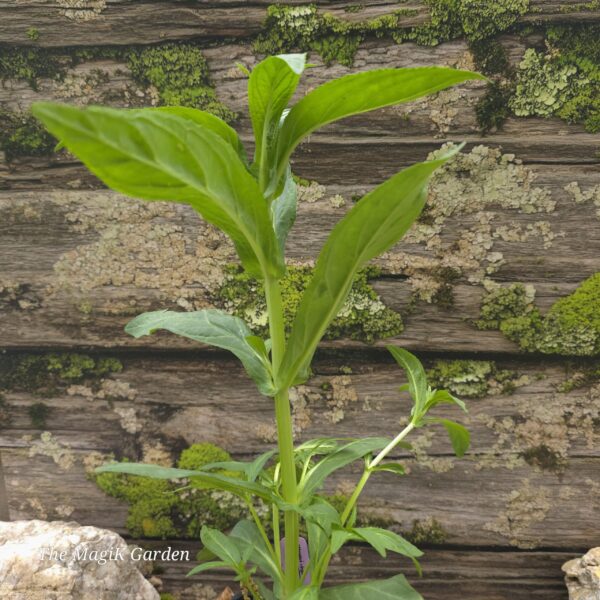
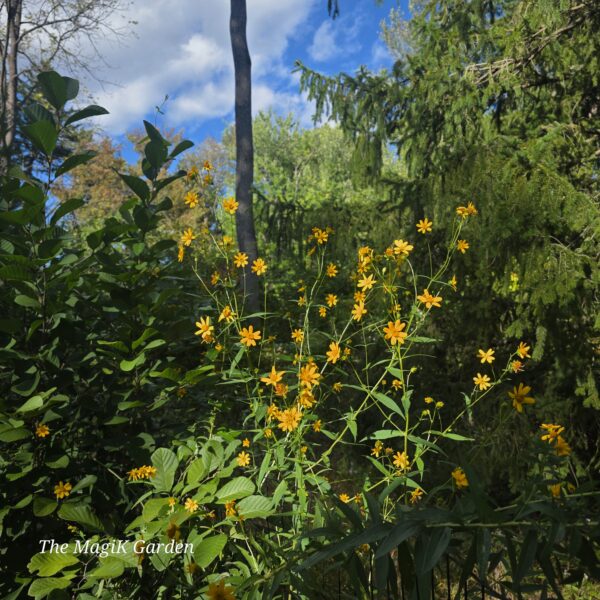
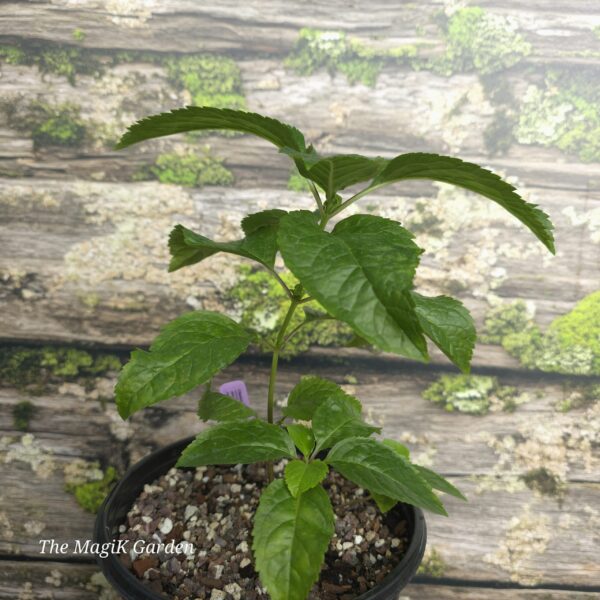
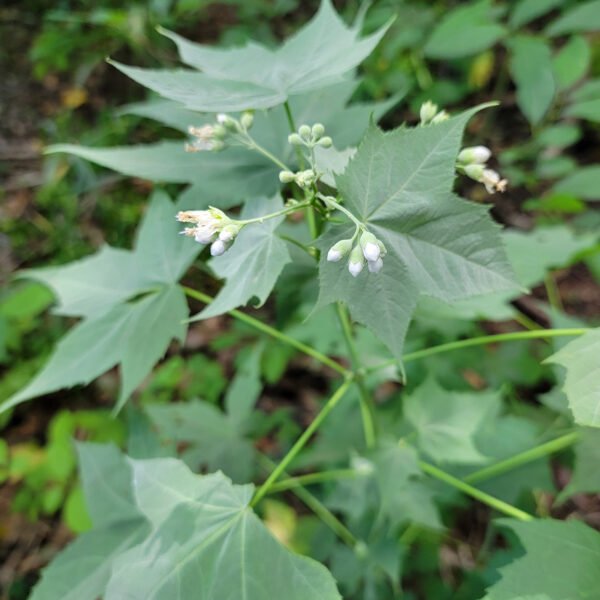
The photos really don’t do this species justice, because this is an absolute delight to touch. The leaves remain soft and velvety all year, even as they begin to turn yellow in the fall. My current plans are to grow a massive patch of these along a section of pathway which would require one to rub up against them as they walk through. Since this species is in the mallow family, it prefers moist-to-wet bottomlands, alluvial soils, floodplains, vernal pools and streambanks, and would do well in damp parts of the yard, at the back of a pond (as long as it’s in an area that remains moist, not behind the liner that remains dry), or in a raingarden. Consider using this in the center of an island-designed wet meadow, in the background of a garden planting, as a summer privacy hedge or even as a “wall” (as I suggested earlier) if you have a large property that you’re dividing into a series of outdoor rooms. I have mine against the house because it’s a tall, flat, boring wall covered in vinyl siding.
Benefit to Habitat
Although the flowers are rather tiny compared to more popular mallows, they have a very long bloom season and are visited by many pollinators. As a mallow, it is a host to all or most of the things mallows host. That being said, I noticed that while the hibiscus sawfly has no problem completely decimating my halberd-leaved mallows (they prefer hibiscus), I did not see evidence of that particular insect on the fanpetals. I have, however, seen other caterpillars (not identified) on this species. They’re also a source of food and shelter for songbirds and small mammals.
Other benefits to habitat include binding soil to help control erosion and as a riparian buffer. A study on this species mentioned potential use in phytoremediation of soils, suggesting that it is proficient in the uptake of cobalt, nickel and iron.
Benefit to Humans
I shared earlier a link to how this species is being utilized in Poland as a source of biomass. Neither of the two main sources I use to check edibility or herbal uses mention the species at all. COSEWIC—Committee on the Status of Endangered Wildlife In Canada—suggests it contains compounds similar to comfrey and could be useful in the pharmaceutical industry. Other studies have explored the morphological characteristics of this species as a useful raw material, including replacing wood for making paper.
Germination
My suggestion is to scarify using a fine grit sandpaper (like 600 grit) to slightly sand down the surface of the seed. The seeds are fairly small, and the coarser grit would risk digging in too deep. Afterwards, soak the seed in hot tap water (not boiling) until they start to plump up. This may take several hours up to 24 hours. You can check back and try sanding down ones that did not plump up within a few hours a little more to see if that helps. Sow them in average temps.
I germinated my own population several years ago via winter-sowing, and I do recall that they took longer to start popping up than other species. It was well into late-spring by the time I saw seedlings. I also did not scarify or pre-soak seed.
These seed have not been tested for germination by any official lab tests. That being said, I am doing my own germination test this year. Some I am starting indoors now (a plug tray of 32). I will scarify and soak another plug tray and sow those in winter. I’ll later do another one outdoors after last frost in spring.
Seed Packet Information
You will receive at least 50 seeds. Seeds have not been tested for germination at this time (see above). As far as I know, these are PA ecotype or fairly close. I grew my population from seed gifted to me by a friend from her population which she grew from plants she received from Morris Arboretum. I don’t know where Morris Arboretum got theirs. At the time, this friend mentioned that this population reseeds happily in her garden.
Side note: While researching germination protocols, I found a seed shop called Magic Garden Seeds based out of Europe selling this species, which is both amusing and slightly uncanny. The only reason I linked it was to show you just how popular some of our native plants are in Europe, whereas here we seemingly need to convince people with reasons to cultivate them, let alone that they are garden-worthy species. There are, of course, species that are popular here as well – various coneflowers, liatris, primrose, penstemon, as well as more western species… but they also include this species. This is, by far, one of the most underrated garden-worthy natives that I really don’t see in the trade. Yet.

Reviews
There are no reviews yet.