

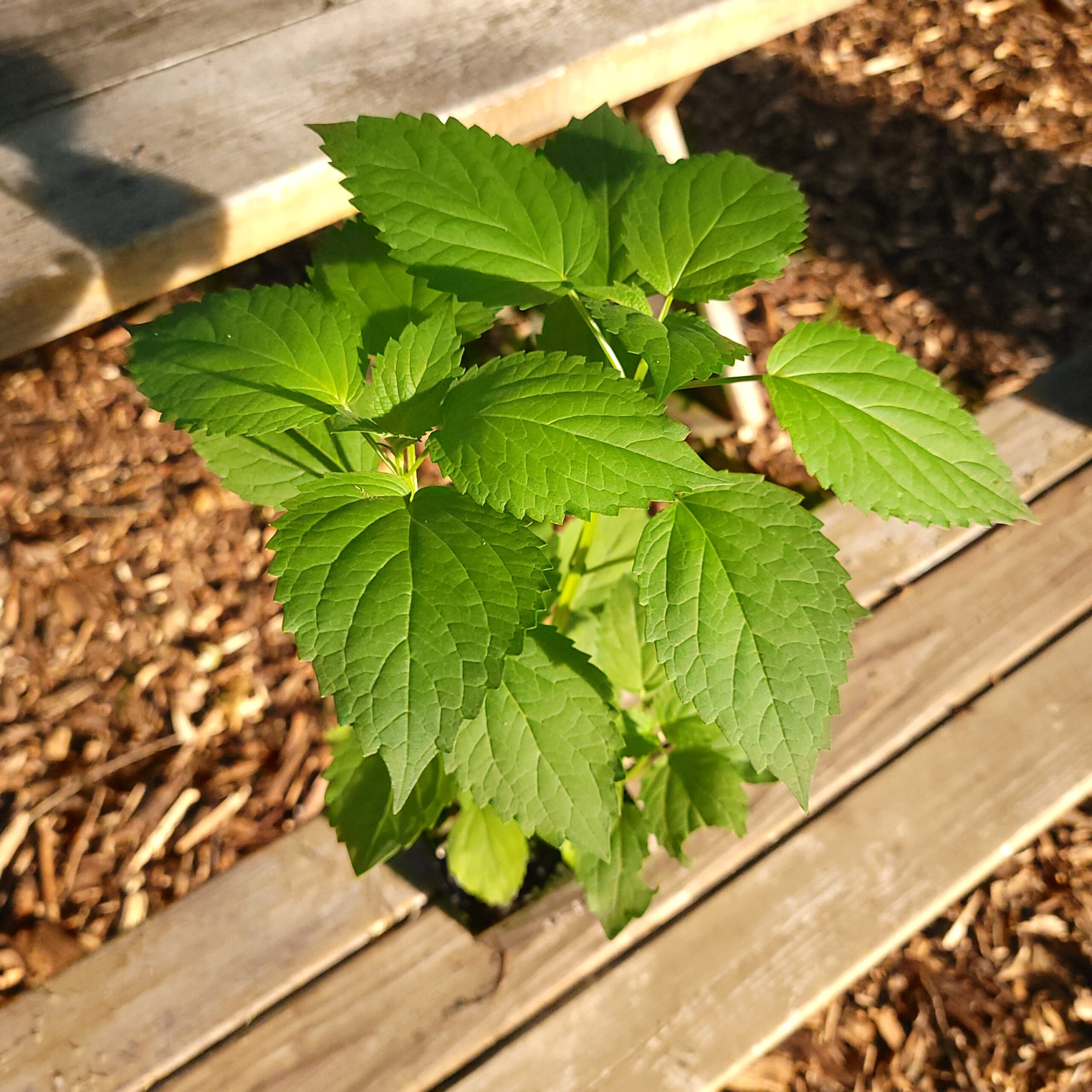
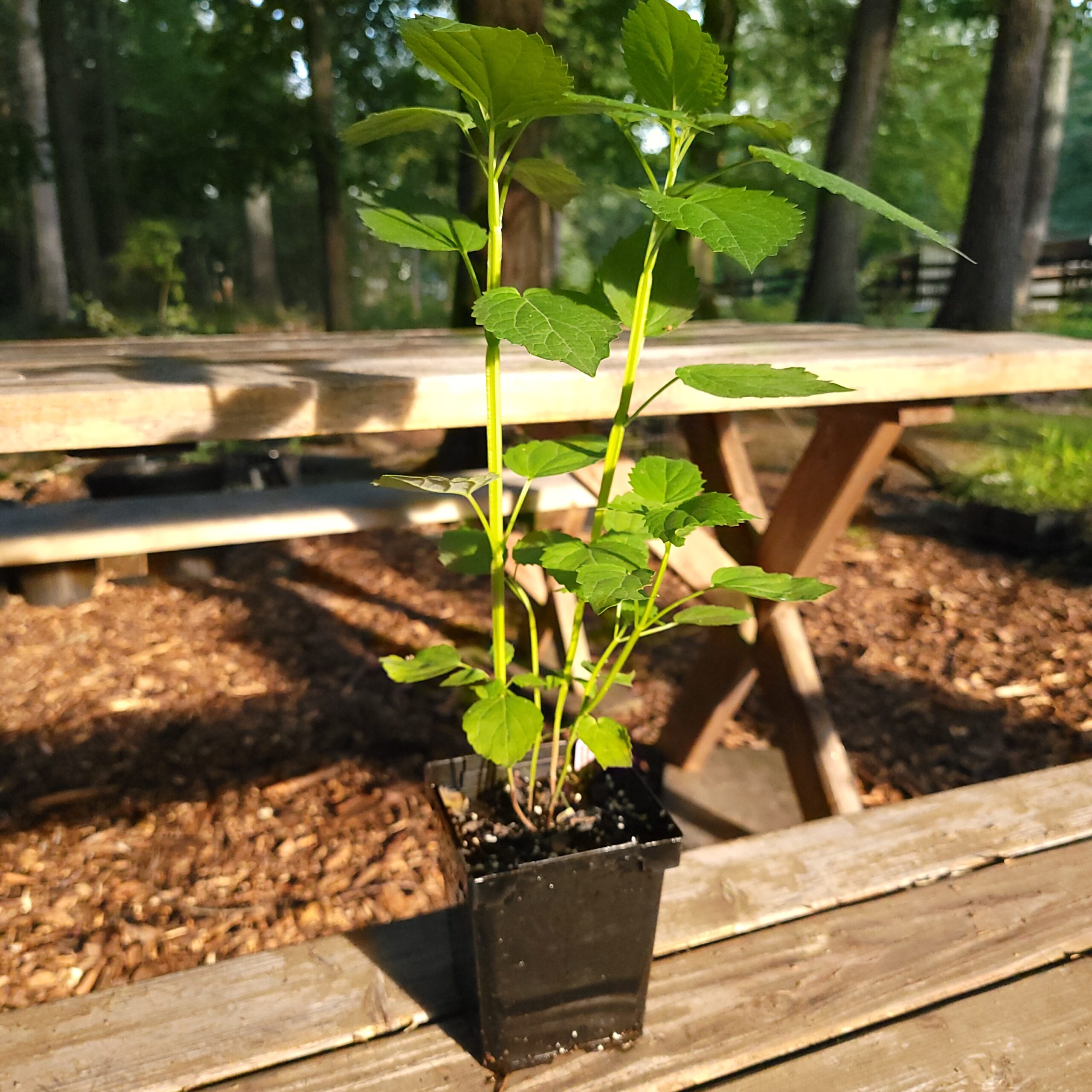

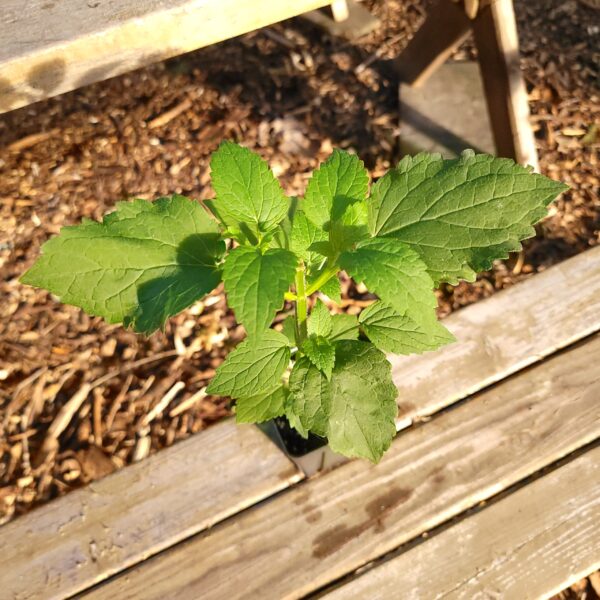
Anise hyssop (Agastache foeniculum) is a near-native Agastache that is common in most native gardens. While I am not offering that one, I am offering the two Agastache native to the eastern US, including southeastern PA. This species, Agastache nepetoides, as well as another one I’m offering, Agastache scrophulariifolia, are both native to our region (map for Agastache nepetoides). While it is not fragrant like anise hyssop, the leaves are alleged to be bitter, and the deer are less likely to forage. Your mileage (and level of deer pressure) may vary. The epithet, nepetoides, refers to the fact that the leaves resemble catmint (genus Nepeta). For this reason, one of the other common names for this plant is catmint giant hyssop. This may make it easier to remember the binomial for some.
Find it in the wild
Habitats include deciduous woodlands, woodland borders and openings, thickets, meadows in wooded areas, and powerline clearances in wooded areas. Occasional disturbance is beneficial if it reduces, but does not eliminate, the shade from canopy trees and other kinds of woody vegetation. (Source)
Grow it in your garden
At 4-7 ft tall, this gets slightly taller and larger than anise hyssop. It also produces greenish cream-yellow flowers that are not considered very showy. Some reports suggest the flower spike, typically around 5″ tall, can reach up to a foot long. The flowers attract many pollinator visitors, including a large diversity of native bees, bee flies, and butterflies. This is more of a woodland margin species, open woodland meadows, where it will get a few hours of direct sun but not too much. It can grow in full sun as long as it has consistent moisture. It does not like dry, sunny sites and will wilt if the soil dries out too much. At the same time, this isn’t a wetland species. The soil you’re aiming for is fertile, moist, easy to dig, like most established garden beds that are mulched.
Due to its size and slightly-but-not-really showy flowers, this one falls into the category of “tall green thing that might be a weed” to the uninformed. For this reason, I suggest tucking it in as a background filler in a garden design. This would reduce drawing attention to it from judgmental HOA-snitches.





Reviews
There are no reviews yet.