
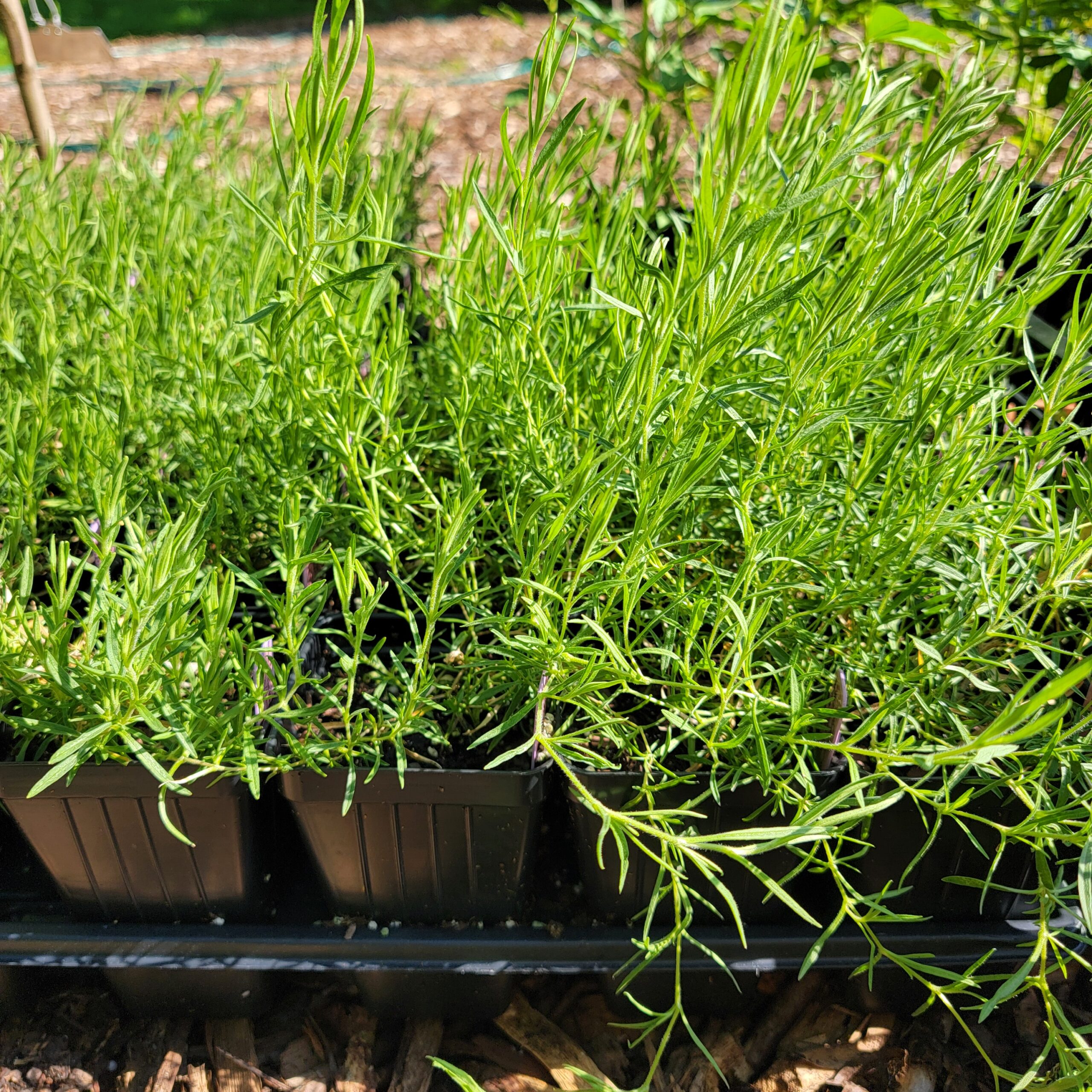
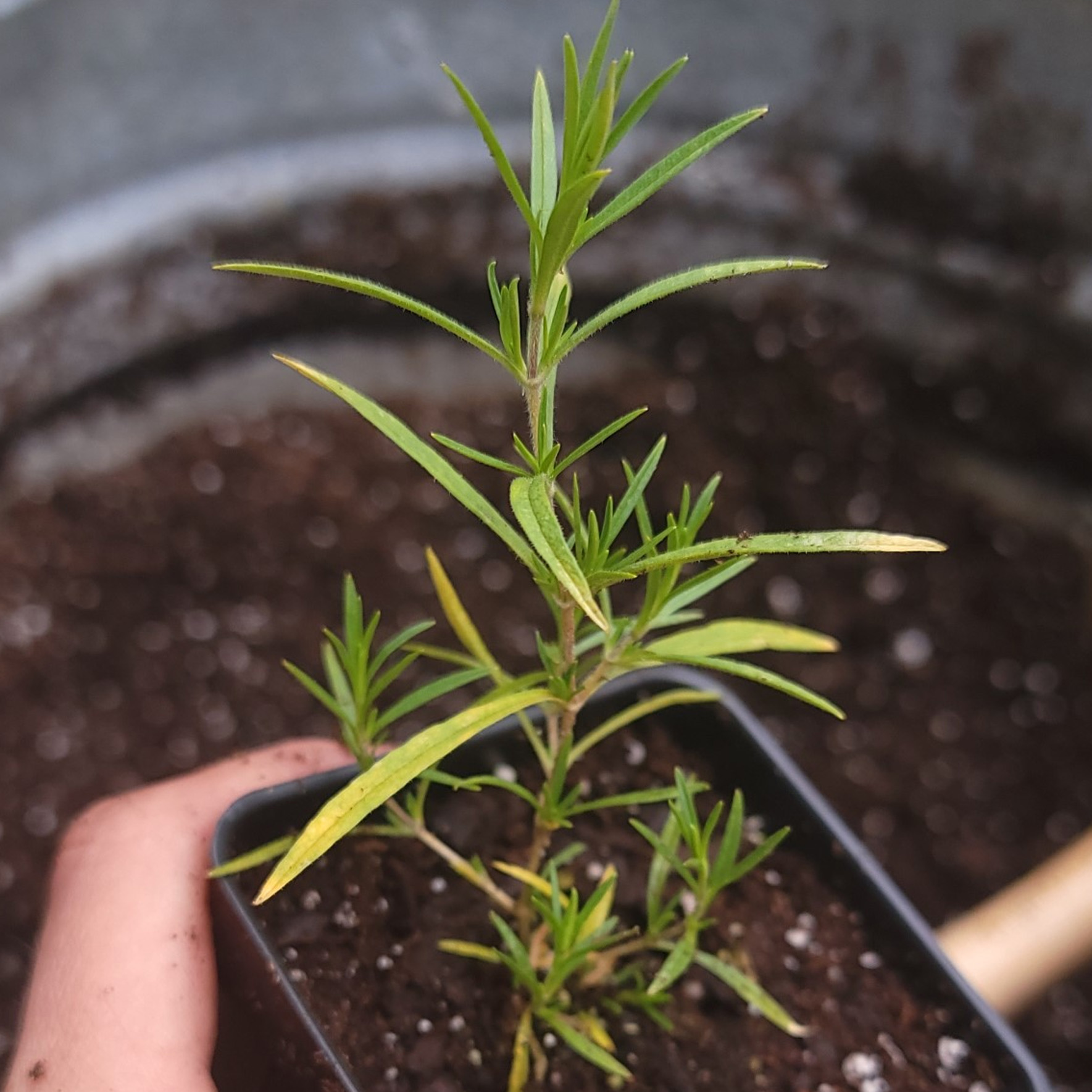
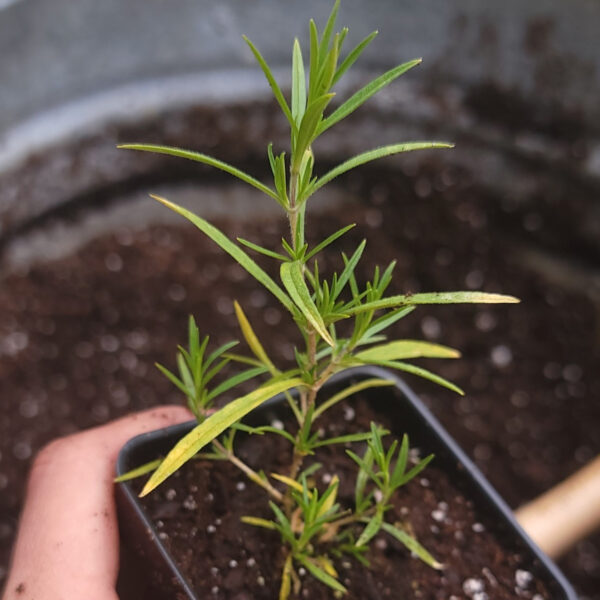

This was previously on my site and on the tags listed as Cerastium arvense ssp. strictum. I’ve since simplified this to Cerastium strictum as it is listed in FSUS and to avoid any confusion with the exotic weedy species Cerastium arvense. If you’ve previously purchased this from me and are confused by the change, please know that it’s the same thing.
You’re likely quite familiar with the introduced, weedy chickweeds that plague all of our gardens in spring. There’s the common chickweed, which is an annual and seeds in everywhere. There’s also mouse-eared chickweed, of which there are two subspecies present here, and are perennial. What is unfortunate is that these introduced species are so prolific, you’d be lucky to ever find native Cerastium or Stellaria in the garden. I thought I’d found one of the native Stellaria, only to find out it was another likely introduced species. Pearlworts (Sagina) are yet another genus of plants, mostly introduced, that look similar in appearance.
I’ve been slowly working on collecting the native species to replace the introduced (potentially invasive?) weeds. Although I enjoy the big, showy blooms as much as anyone else, I have a soft spot for tiny plants. These miniscule species find tiny open pockets where they may get a spot of light. Or they seed into a crack between the rocks. In lawns, they get mowed and stepped on. And yet, despite being so small, reserved, and subjected to abuse, they persist.
The starry cerastium or large-flowered meadow chickweed is a host plant for the Chickweed Geometer, a moth with a color combo that reminds me of the early 2010’s. I’m amazed they can find much of anything to eat on this diminutive plant. Also, despite its size, it does put on a show in spring as the common name would suggest. I guess it needs to announce its presence somehow, since it will soon be overshadowed by larger plants.
You’d be hard pressed to find nurseries selling something like a chickweed. I know of one nursery that does, which is where I got the seeds. When restoring native plants to your property, don’t forget the little ones.
This species includes both the native subspecies and an introduced one. In fact, GoBotany has this as species Cerastium strictum (though BONAP, which I linked earlier, still has C. arvense). I obtained seeds from a source that I trust, so I know this one is the native subspecies. In the wild, it can be difficult to tell this apart from the European species.









Reviews
There are no reviews yet.